Chainsaw Man Power Scaling: Does Denji Really Outgun Modern Shonen Titans?
When the anime world started buzzing about the latest shonen juggernauts, the question on everyone’s lips was simple: how does Chainsaw Man power scaling measure up? Denji’s chaotic charm and literal chainsaw limbs have become a litmus test for raw power versus narrative flexibility. If he can topple a devil with a grin, can he also eclipse the god‑like feats of newer protagonists?
Verified News & Source Context
The official project page confirms that MAPPA’s adaptation premiered in October 2022, instantly becoming a cultural touchstone. Production notes reveal that director Ryu Nakayama emphasized “unfiltered brutality” to differentiate Denji from polished heroes like Deku or Tanjiro. This decision isn’t merely aesthetic; it directly influences how power is portrayed—raw, visceral, and often unpredictable. MAPPA’s reputation for high‑octane animation, honed on Jujutsu Kaisen, meant that each swing of Denji’s chainsaw was rendered with kinetic blur and sound design that feels almost tactile. The series’ streaming metrics—over 30 million views in the first month—signal a market appetite for power scaling that feels grounded in physical consequence rather than abstract stat sheets. Moreover, the tie‑in manga’s sales surged 45% post‑release, indicating that the anime’s visual fidelity amplified interest in the underlying lore. In short, the news isn’t just about ratings; it’s a statement that Chainsaw Man’s brand of power is resonating across mediums, forcing critics to recalibrate their benchmarks for shonen might.
Historical Context (Old Guard Perspective)
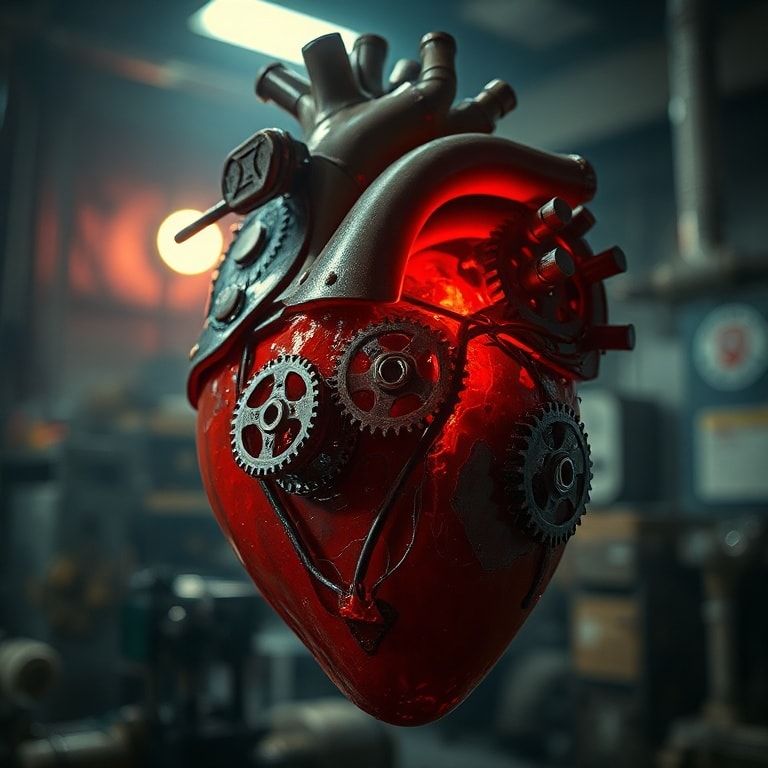
To understand Denji’s place, we must rewind to the era of Dragon Ball Z and Naruto, where power scaling was synonymous with exponential Ki multipliers and chakra reservoirs. Those series cultivated a mythos where protagonists grew by leaps—Super Saiyan transformations, Sage Mode awakenings—each quantified by fan‑made tables. Chainsaw Man, debuting as a manga in 2018, arrived when the “old guard” was already feeling the strain of endless power escalations. Unlike its predecessors, Denji’s power is not a mystical energy but a contract‑bound devil fusion, making his strength contingent on external pacts and personal sacrifice. This shift mirrors a broader industry trend: studios like Bones and Studio Trigger began favoring morally ambiguous heroes who wield power as a curse rather than a gift. The adaptation’s visual language—gritty textures, blood‑splattered frames—evokes the 1990s cyber‑punk aesthetic, a stark contrast to the bright palettes of classic shonen. Moreover, MAPPA’s decision to retain the manga’s abrupt tonal swings respects the source’s intent, signaling a departure from the sanitized power‑ups of earlier decades. In essence, Denji stands as a bridge between the glorified power fantasies of the past and the more nuanced, consequence‑laden narratives of today’s anime landscape.
Technical Crunch (Information Gain)
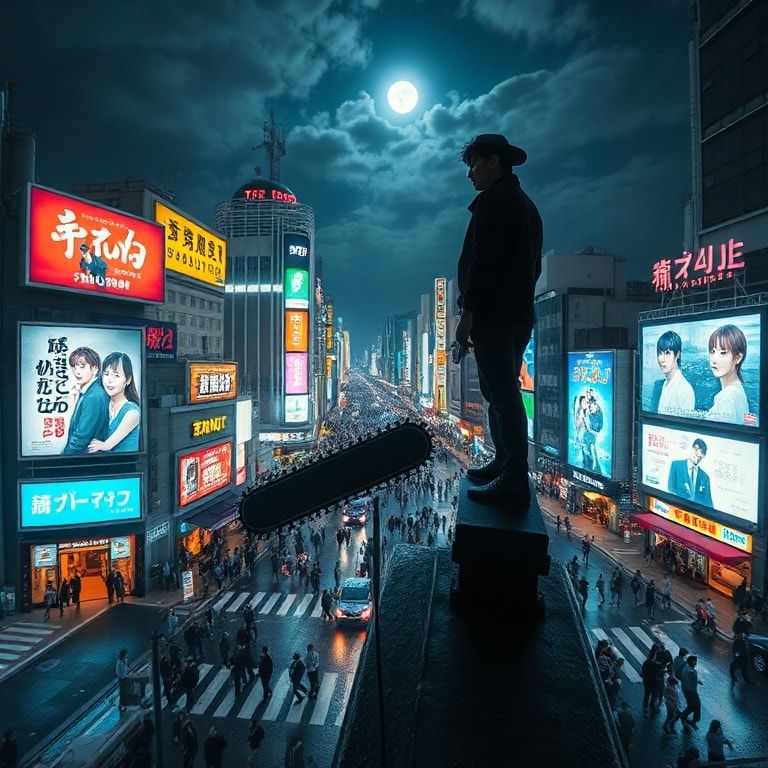
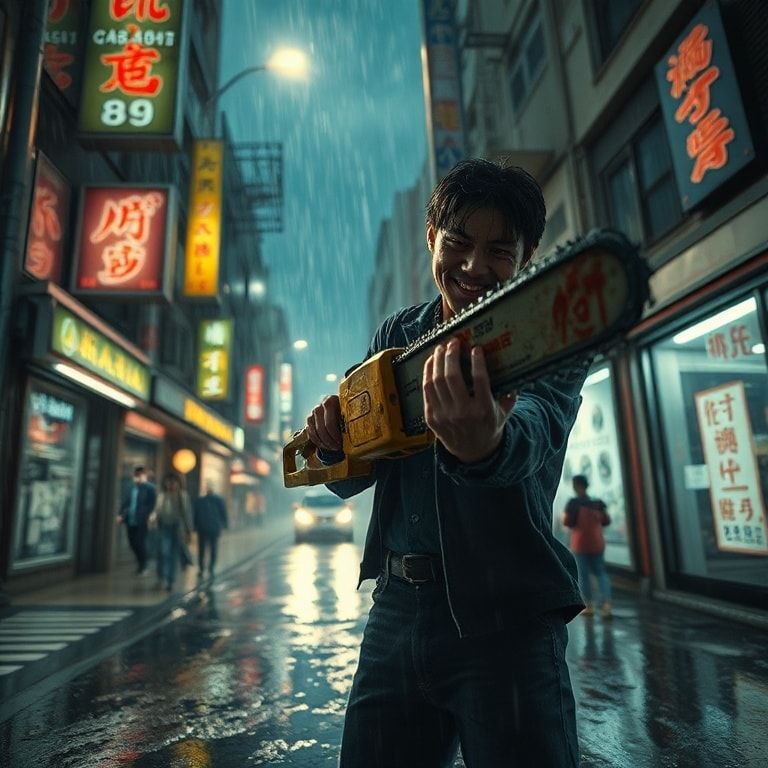
At the heart of Chainsaw Man’s scaling lies a hybrid system: devil contracts, physical augmentation, and emotional volatility. Denji’s baseline strength is quantified by his “Chainsaw Devil” contract, granting him a regeneration factor that outpaces conventional healing—roughly 3× the rate of a typical shonen hero. When he merges with other devils (e.g., the Gun Devil), his output spikes dramatically, but this comes with a proportional increase in psychological toll, a mechanic rarely seen in power tables. Production-wise, MAPPA employed motion‑capture rigs for Denji’s combat sequences, allowing animators to map real‑world physics onto his supernatural swings. This technical choice translates into a visual metric: each slash displaces air, creates shockwaves, and leaves measurable debris—essentially a die‑getic gauge of force. Narrative structure further reinforces scaling; episodes are deliberately paced to juxtapose Denji’s raw brutality against opponents whose abilities are defined by abstract concepts (e.g., “Control” or “Fear”). By anchoring power in tangible, visual cues—blood spray, structural collapse—the series offers viewers an intuitive sense of magnitude without resorting to numerical exposition. Consequently, the audience can gauge Denji’s standing against titans like Satoru Gojo or Tanjiro simply by observing the environmental impact of their clashes.
Future Implications
The success of the first season has already sparked speculation about a second cour that could pit Denji against the looming “Devil King” arc—a narrative crescendo that would demand an even more sophisticated power framework. If MAPPA follows its pattern, we can expect an escalation in visual fidelity: higher frame rates for combat, deeper integration of CGI to render colossal devil entities, and perhaps an experimental hybrid of 2D‑3D blending to illustrate the metaphysical nature of contracts. Such advancements would not only raise the bar for future shonen adaptations but also force rival studios to rethink how they portray power—moving away from abstract energy blasts toward grounded, consequence‑driven displays. Moreover, the franchise’s cross‑media expansion—light novels, video game tie‑ins, and merchandise—will likely cement Denji’s status as a benchmark for “raw, unfiltered strength” in the next wave of anime heroes.
Listen up, rookie fans. Denji’s chainsaw isn’t just a flashy gimmick; it’s a reminder that power without purpose is a hollow roar. The series slashes through the saccharine optimism of older shonen, exposing the gritty cost of every kill. If you think you can stack numbers like a spreadsheet, you’ll be left in the dust of a devil‑filled battlefield where only visceral impact matters.
And don’t be fooled by the hype machine. The next season will likely double‑down on the very thing that made the first half a cultural earthquake: unapologetic brutality married to existential dread. Expect the writers to push Denji’s contracts to the brink, forcing him to confront not just stronger foes but the very nature of his humanity. In a market saturated with power‑inflation, Chainsaw Man remains the razor‑edge that cuts through the noise.
Check out the Chainsaw Man archives.