Copenhagen budget guide: How to Roam Denmark’s Capital on Just $30 a Day
Ever tried to stretch a single dollar into a full day of Danish delights? The Copenhagen budget guide (full hub) is your secret weapon, turning cheap tickets into priceless memories. With the right cards and a pinch of savvy, you can sip coffee, cycle past castles, and still have change for a smørrebrød.
Copenhagen budget guide: Mastering the City Pass Small
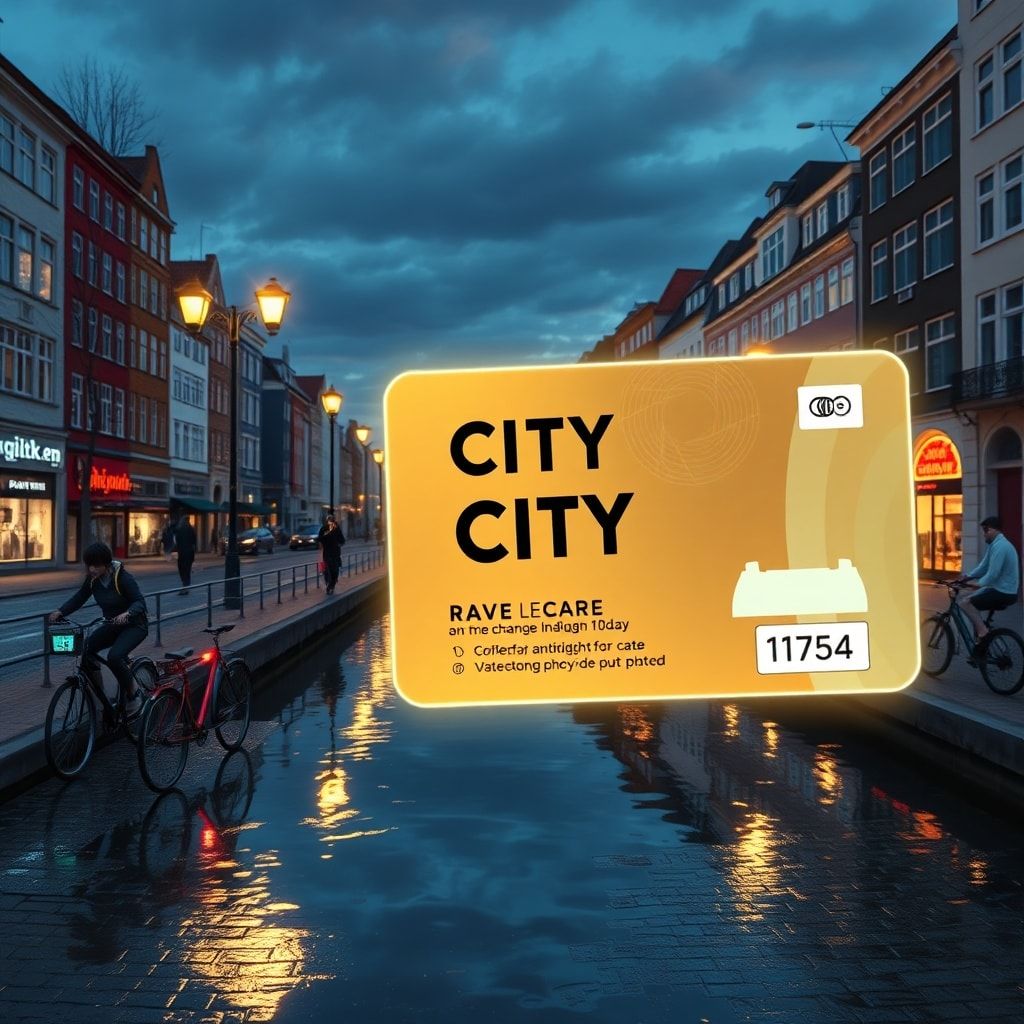
The City Pass Small is the workhorse for the frugal wanderer. Shoestring May 2026 guide offers a deeper dive into how to maximise every krone. Priced at DKK 80 for a 24‑hour sprint or DKK 200 for a 72‑hour marathon, it blankets zones 1‑4 – that’s the historic core, the harbour, and even the airport. You can snag it at any metro or train ticket machine, or tap the DOT Ticket app for a contactless grab. Why does this matter? Because each zone you cross without a pass adds DKK 24‑40 to your tab, and those numbers balloon fast when you start hopping to the outskirts. By locking in the Small pass, you eliminate surprise fare spikes and free up cash for food and fun.
The pass also grants you seamless access to the 24‑hour Metro, which never sleeps – a rare gem in Europe. During rush hour, trains zip by every 1.5‑2 minutes, meaning you won’t waste precious minutes queuing. For night owls, the after‑midnight service still runs every 20 minutes, keeping you moving after the clubs close. The official project page breaks down the exact zones and pricing tiers, but the takeaway is simple: buy the Small pass, ride like a local, and keep your wallet intact. If you’re mapping out a four‑day stay, our 4‑Day Adventure guide shows how to stretch each krone without breaking the bank.
From Past to Present: How Copenhagen’s Transit Pricing Evolved

Back in the 1970s, Copenhagen’s public transport was a patchwork of paper tickets and zone‑free rides, a relic of a simpler era. As the city expanded, the need for a more granular fare system grew, leading to the introduction of zone‑based pricing in the early 1990s. This shift mirrored a broader European trend where metros and buses adopted zone calculations to fund rapid‑growth infrastructure.
Fast‑forward to today, the City Pass Small and Large are the culmination of decades of policy tinkering. The Small pass, covering zones 1‑4, reflects the city’s focus on compact tourism – most attractions sit within this bubble. Meanwhile, the Large pass (zones 1‑99) caters to commuters and explorers venturing into the wider Capital Region, priced at DKK 180 for 24 hours and scaling up for longer stays. This tiered approach mirrors the studio model in anime: a core series for casual fans (Small) and an extended universe for die‑hard enthusiasts (Large). The evolution also signals Copenhagen’s commitment to sustainability; by incentivizing public transport over cars, the city reduces congestion and carbon footprints, a narrative that resonates with today’s eco‑conscious travelers.
Technical Crunch: Decoding Zones, Fares, and Card Mechanics
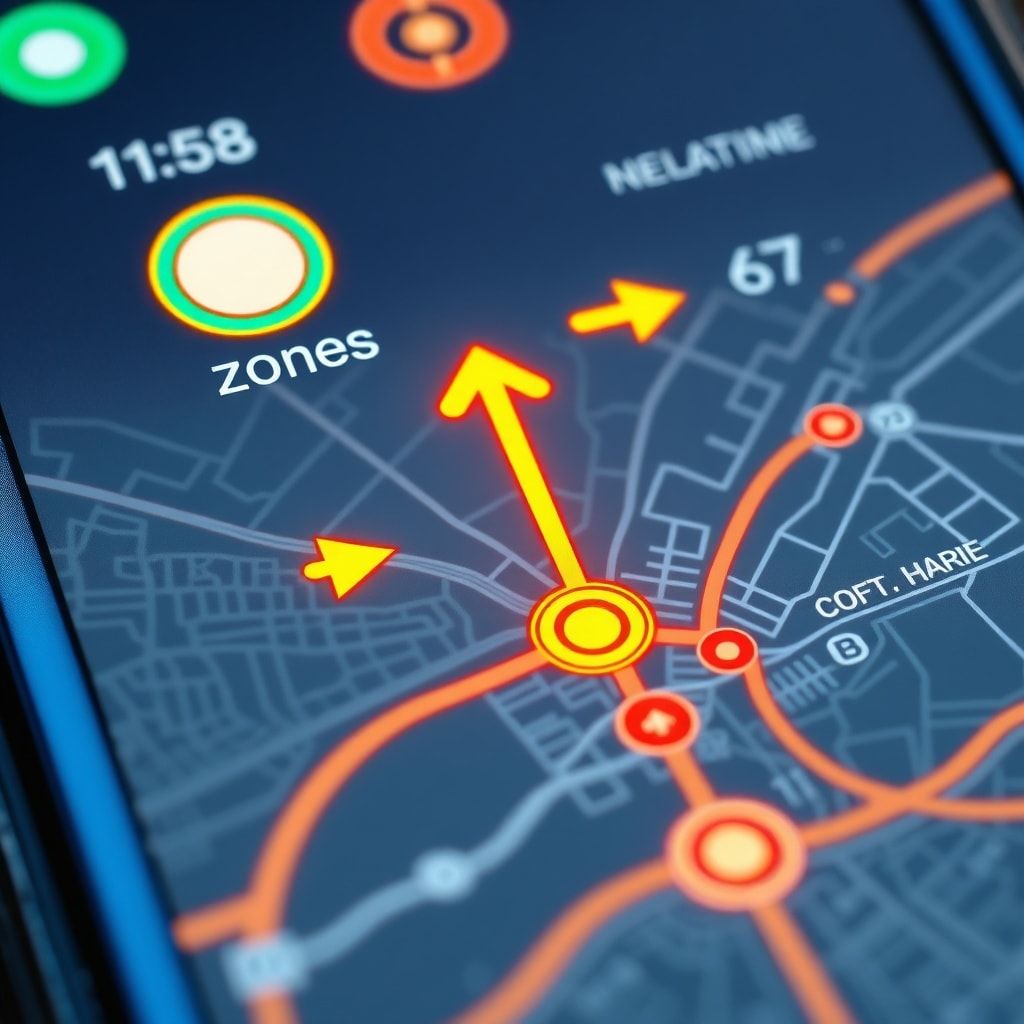
Understanding the mechanics behind the passes is essential for budget mastery. Copenhagen’s public transport is divided into concentric zones; the city centre is zone 1, and each outward ring adds a zone number. A single‑ticket fare starts at DKK 24 for two zones, jumps to DKK 30 for three, and caps at DKK 40 for four. Children under 12 ride free with a paying adult, a boon for families.
The City Pass Small essentially pre‑pays the maximum two‑zone fare for a full day, but its real power lies in unlimited hops within zones 1‑4. This means you can hop on a S‑train to the suburbs, jump onto a harbour bus to Nyhavn, then dive into the metro without ever pulling out a wallet. The Large pass expands this freedom across the entire Capital Region (zones 1‑99), ideal for day‑trippers to places like Roskilde or the beach town of Amager.
From a technical standpoint, the passes are stored as digital tokens on the DOT Ticket app or as magnetic strips on physical cards. They communicate with validators via NFC, ensuring instant verification. The system logs each tap, which helps the transit authority analyze rider patterns and adjust service frequency – a feedback loop akin to how anime studios track viewership data to tweak future episodes. For the traveler, this translates to more trains during peak hours (1.5‑2 minute intervals) and reliable night service, ensuring you never miss a midnight stroll along the harbour.
Future Implications: Riding the Next Wave of Budget Tourism

The next decade promises a digital overhaul of Copenhagen’s transport ecosystem. Plans are afoot to integrate a unified “Nordic Mobility Pass” that would combine train, bus, bike‑share, and even museum tickets into a single blockchain‑backed token. For budget travelers, this could mean a one‑stop shop where a DKK 300 purchase grants unlimited access across Denmark for a week, slashing costs further.
Such integration would also open doors for dynamic pricing based on real‑time demand, much like surge pricing in ride‑hailing apps. Savvy travelers could program their apps to purchase passes during off‑peak windows, locking in lower rates. Moreover, the rise of AI‑driven itinerary planners could automatically suggest the optimal pass (Small vs. Large) based on your planned attractions, ensuring you never overpay.
Listen up, green‑horns: the old school “buy a ticket, hop on, hope for the best” mentality is dead. The Copenhagen budget guide isn’t just a list of prices; it’s a strategic playbook. You’ve got to read the city like a manga panel – every line, every shadow tells you where the money flows. Miss the zone‑map, and you’ll end up paying DKK 40 for a single ride you could’ve covered with a DKK 80 pass. That’s the kind of rookie mistake that turns a dream of a smørrebrød lunch into a sob story over a vending‑machine snack.
And don’t think the city’s going to sit still. With the upcoming Nordic Mobility Pass, the game will shift from “which card do I buy?” to “how do I hack the algorithm?” Keep your eyes on the app updates, watch the fare charts like a seasoned shōnen protagonist watching his power meter, and you’ll stay ahead of the curve. In the end, mastering Copenhagen on $30 a day isn’t about pinching pennies; it’s about out‑smarting a system that’s designed to make you spend. That’s the real treasure, and it’s yours for the taking.
Related Guides & Further Reading
Check out the Copenhagen budget guide archives.