
How to Hack the Hong Kong Budget: Solo Backpacker’s Survival Guide
Ever wondered if you can actually stretch a shoestring across Hong Kong’s glittering skyline? Check out our comprehensive Hong Kong budget hub for a step‑by‑step cheat sheet before you go. For a deeper dive into seasonal savings, explore our Hong Kong November budget hub. The Hong Kong budget mindset forces you to juggle visas, transport, and safety like a high‑stakes game of mahjong. Miss a beat and you’ll be paying for a night in a five‑star hotel you can’t afford, or worse, a police fine for wandering the wrong district after dark.
Verified News & Source Context

The Tourism Commission has quietly standardized photocopy fees: HK$1.5 per black‑and‑white A4 sheet and HK$1.6 for A3. While this seems trivial, it signals the city’s commitment to transparent micro‑pricing, a habit that seeps into hostel charges, MTR tickets, and even street food portions. Knowing the exact cost of a copy can help you budget for unexpected paperwork—think visa extensions or travel insurance forms—without blowing your daily HK$200 food allowance.
Visitor Information Office hours are Monday‑Friday, 8:45 am – 1:00 pm and 2:00 pm – 6:00 pm. The staff there are seasoned locals who can steer you toward free Wi‑Fi zones, discount ferry tickets, and safe night‑market routes. Their phone line, (852) 3848 4122, is a lifeline during emergencies, especially if you’re a solo traveler navigating visa nuances after a sudden policy shift. For more solo‑travel budgeting tips, see our solo shoestring travel guide.
For the data‑driven nomad, the Commission also offers a free PDF titled “Practical Information – Currency & e‑payment.” Download it from the ‘Other Information’ page to avoid nasty exchange‑rate surprises. All these resources converge on one goal: empower the budget‑conscious explorer to move confidently through Hong Kong’s layered urban tapestry. For more official details, visit the official project page.
Historical Context: Old Guard Perspective on Budget Travel in Hong Kong
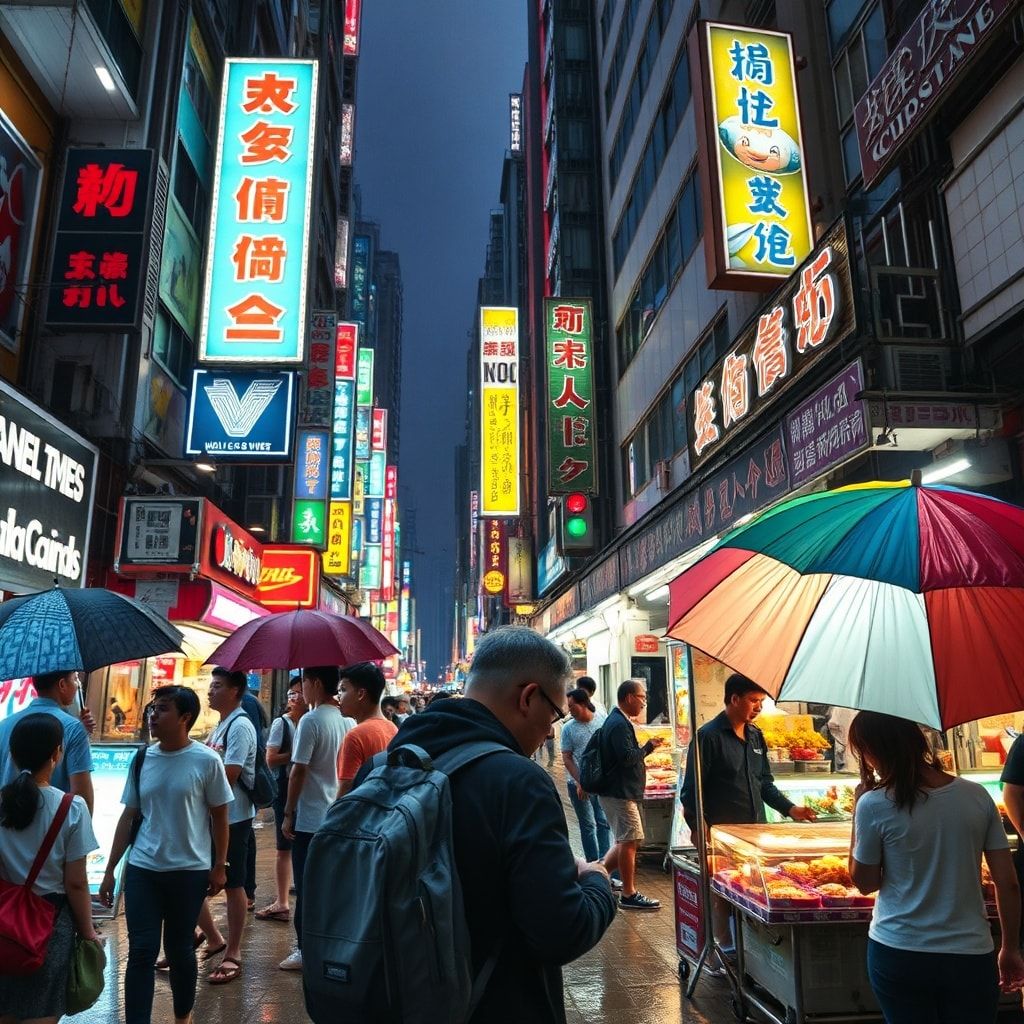
Back in the early 2000s, budget travel guides to Hong Kong were thick, glossy tomes sold at airport kiosks, filled with static maps and generic hostel listings. Those “old guard” publications often ignored the micro‑economics of daily life—like the HK$1.5 copy fee—favoring broad strokes over granular data. As the internet democratized information, forums like Backpacker.com and later Reddit’s r/travel sub‑community began crowdsourcing real‑time cost updates, effectively rendering the old guidebooks obsolete.
Studio trends in travel media shifted from glossy photography to user‑generated video content, mirroring the rise of YouTube travel vloggers who could showcase a night market’s neon glow in 4K, complete with live price tags. This transition forced traditional publishers to adopt a hybrid model: print guides now include QR codes linking to dynamic spreadsheets that track everything from MTR fare fluctuations to the latest visa fee adjustments. The Hong Kong budget narrative thus evolved from a static checklist to a living, breathing spreadsheet that adapts as quickly as the city’s skyline.
Moreover, the rise of “digital nomad” visas in the late 2010s added a new layer to the budgeting equation. Travelers now weigh the cost of a long‑term stay against the benefits of a flexible work permit, a consideration absent from the early 2000s guidebooks. This historical shift underscores how the Hong Kong budget mindset has become a sophisticated balancing act between fiscal prudence and cultural immersion.
Technical Crunch: Dissecting the Hong Kong Budget Mechanics

Understanding the Hong Kong budget requires a layered approach, much like decoding a shōnen battle strategy. If you’re hunting for money‑savvy solo traveler hacks, check out our budget code cheat sheet. First, break down fixed costs: accommodation, transport, food, and visa. Hostels in Central average HK$250 per night, but a strategic shift to Yau Mau or Sham Shui Po can shave that to HK$120.
Variable costs hinge on personal habits. Photocopy fees, while seemingly negligible, become significant for backpackers who need multiple copies of travel insurance, visa extensions, or language cheat‑sheets. At HK$1.5 per A4 copy, ten copies equal HK$15, a non‑trivial slice of a daily food budget of HK$200. Leveraging free PDF resources from the Tourism Commission eliminates this expense entirely.
Safety metrics also factor into budgeting. The Visitor Information Office’s operating hours provide a reliable safety net; knowing you can call (852) 3848 4122 during office hours reduces the need for pricey private guides. Additionally, the city’s extensive CCTV network and police drone patrols mean that solo travelers can navigate night districts with confidence, allowing them to allocate funds toward cultural experiences rather than security services.
Finally, currency and e‑payment strategies are crucial. The free “Practical Information – Currency & e‑payment” PDF outlines the best times to exchange HKD, the prevalence of contactless payments, and the hidden fees of foreign cards. By syncing your budgeting spreadsheet with these insights, you transform raw data into actionable financial tactics, ensuring every HK$1 stretches as far as the neon lights allow.
Future Implications: The Evolving Landscape of Hong Kong Budget Travel
Looking ahead, the Hong Kong budget scene is poised for a tech‑driven renaissance. Backpackers seeking a practical playbook can consult our survival guide to the neon jungle, which breaks down emerging tools and cost‑saving hacks. Simultaneously, the city’s push for sustainability will reshape accommodation pricing. Green hostels offering solar‑powered dorms and waste‑reduction programs may command a premium, but they’ll also attract eco‑conscious travelers willing to pay a modest surcharge for reduced carbon footprints. This shift could redefine the “budget” label, blending cost‑efficiency with environmental responsibility.
Listen up, fresh‑blood wanderers: the moment you think you’ve cracked the Hong Kong budget code, the city will throw a new fee at you like a surprise boss battle. Those photocopy charges? Just the tip of the iceberg. Expect hidden costs in Wi‑Fi hotspots, app‑based transport surcharges, and the ever‑present temptation of rooftop bars that whisper, “Just one drink, you’ll never regret it.” If you’re not tracking every HK$1, you’ll end up financing a night at a five‑star hotel you can’t afford, and trust me, the view from the 45th floor isn’t worth the debt.
My two‑cent‑coin advice? Treat every expense as a story beat. The Visitor Information Office isn’t just a bureaucratic desk; it’s your quest‑giver, handing you side‑quests like free city maps and safety briefings. Use the free PDF as your spellbook—master the currency incantations before you step into the market. And when the drones buzz overhead, remember they’re not there to spy on you, but to keep the streets safe enough for a solo traveler to wander after midnight without a bodyguard. Master these mechanics, and the Hong Kong budget becomes less a grind and more a rewarding campaign.
Related Guides & Further Reading
Check out the hong-kong-budget archives.