Cracking the Thailand Cost Code: How to Survive 7 Days on a Backpacker’s Shoestring
Bangkok Public‑Transport Prices for Budget Travelers
City Buses and Night Service
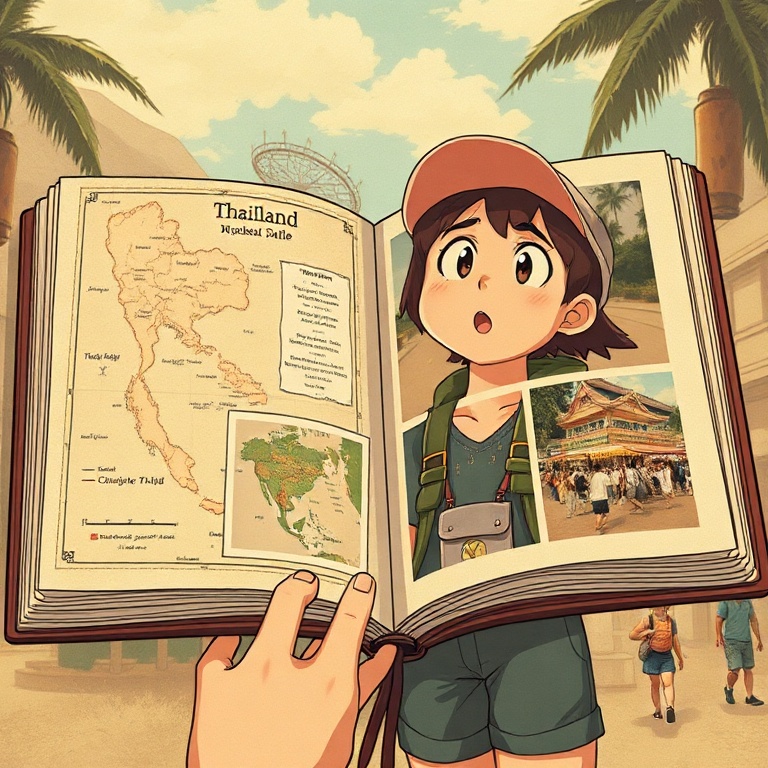
Bangkok’s public‑transport matrix reads like a cheat‑code for the cash‑strapped. A single city bus ride costs 9.50 baht. Service runs from 05:00 to 23:00. The all‑night Cream‑Red line operates 23:00–05:00, giving a 24‑hour safety net.
Airport Taxi Surcharge
All taxis add a fixed 50 baht airport surcharge on top of the meter, whether you land at Don Mueang or Suvarnabhumi.
Motorcycle‑Taxis (Moto‑Taxi)
Opening price caps at 25 baht for the first two kilometres, then up to 5 baht per additional kilometre. This tiered pricing keeps short hops affordable while still rewarding longer rides.
Rail Options
The BTS Skytrain fares range from 16 baht to 59 baht depending on distance. The newly‑launched Golden Line (Krung Thon–Khlong San) offers a flat 15 baht fare, a welcome simplifier for tourists.
River Express Boats
| Flag | Fare (baht) |
|---|---|
| Orange‑flag (Express Boat) | 16 |
| Yellow / Green flag | 21 |
| Red flag | 30 |
This hierarchy shows the speed‑versus‑price trade‑off on the Chao Phraya River.
Government Policy Behind the Prices
These figures result from a coordinated effort by Thailand’s Ministry of Tourism to keep the country accessible to the growing backpacker demographic. The official project page outlines the policy rationale, emphasizing sustainable tourism and equitable access. official project page
How Budget Travel Guidance Has Evolved for Thailand
Print Guides vs. Online Communities
Early 2000s budget travel to Thailand was chronicled in printed guidebooks like Lonely Planet’s “Backpackers’ Thailand”. Those tomes listed bus fares in Thai baht, but the numbers were static, often outdated, and lacked the granular breakdown we enjoy today. The rise of the internet democratized information: forums such as Backpacker.com and later Reddit’s r/travel became the new “old guard”, sharing real‑time updates on fares, service hours, and hidden costs.
Media Evolution Mirrors Transport Changes
Studios of travel content shifted from print to digital, mirroring the anime industry’s move from celluloid to streaming. Just as anime studios once relied on weekly magazine serialization before moving to binge‑ready platforms, travel writers migrated from annual editions to live blogs that can be edited on the fly. This transition mirrors the evolution of the BTS Skytrain’s fare system, which moved from a fixed‑price model to a distance‑based algorithm, reflecting a broader market shift toward data‑driven pricing.
Changing Backpacker Expectations
Modern backpackers now expect Wi‑Fi, clean hostels, and transparent pricing. The historical comparison highlights how Thailand’s transport policies have adapted to meet the expectations set by a generation raised on instant information, much like anime fans now demand simultaneous releases and subtitles. The synergy between travel economics and media consumption patterns is unmistakable.
Breakdown of a Seven‑Day Backpacker Budget
Sample Daily Transport Budget
Assume a daily transport budget of 150 baht.
- Morning: BTS ride from Khao San Road (Saphan Taksin) to Siam – 30 baht.
- Midday: Chao Phraya orange‑flag boat crossing – 16 baht.
- Evening: City bus to a night market – 9.50 baht.
Total daily transport: ~55.5 baht, leaving ~94.5 baht for spontaneous rides, occasional moto‑taxi hops (25 baht for 2 km), or a night‑time Cream‑Red bus (still 9.50 baht). Over a week, transport sums to roughly 388 baht.
Food and Accommodation Estimates
Typical street‑food costs:
- Pad thai ≈ 40 baht
- Mango sticky rice ≈ 30 baht
Allocating 200 baht per day for meals equals 1,400 baht for the week.
Typical dormitory price:
- 6‑bed dormitory ≈ 300 baht per night → 2,100 baht for seven nights
Combined baseline budget (transport + food + lodging) ≈ 3,888 baht (≈ $115 USD at 34 baht/USD). This excludes optional activities like temple entry fees (30–100 baht) or nightlife, which can add 500–800 baht.
Cost‑Saving Insights
Knowing the exact cost structure empowers travelers to allocate funds strategically, avoid “analysis paralysis” at the taxi stand, and negotiate confidently. It also reveals hidden savings: the Golden Line’s flat 15 baht fare can replace multiple BTS trips, shaving 20–30 baht per day. Understanding tiered moto‑taxi pricing lets you decide when a 25 baht hop is worth it versus a 9.50 baht bus.
Upcoming Trends That May Affect Backpackers
Potential Fare Increases and Dynamic Pricing
The next wave of tourism policy in Thailand is already being shaped by digital nomad visas and a push toward sustainable travel. As the government seeks to attract longer‑stay visitors, we may see a gradual rise in base fares to fund infrastructure upgrades—think more air‑conditioned buses or expanded BTS lines. However, the data‑driven pricing model could also introduce dynamic fares that fluctuate with demand, akin to surge pricing in ride‑hailing apps.
Emerging Green Transport Options
For the backpacker community, this means staying vigilant. Apps that track real‑time fare changes will become as essential as a passport. Moreover, the rise of “green” transport options—electric tuk‑tuks and bike‑share programs—could introduce new pricing tiers, potentially offering cheaper, eco‑friendly alternatives.
Practical Tips to Stay Ahead
Listen up, green‑horns: the moment you think you’ve nailed the Thailand cost formula, the Ministry will slap a new surcharge on your favorite tuk‑tuk, and you’ll be left staring at a meter that climbs faster than a shonen protagonist’s power level. My two decades on the road taught me that the only constant is change—fare tables shift, routes close, and the “budget” label becomes a moving target. If you’re not ready to recalculate every night over a bowl of noodles, you’ll end up paying more than you bargained for, and that’s a lesson no guidebook can teach you.
Pro tip from a battle‑scarred otaku nomad: always carry a spare 100‑baht note, know the flat‑rate Golden Line like the back of your manga‑filled wallet, and never, ever trust a driver who claims the airport surcharge is “optional”. Those who respect the numbers and the locals will glide through Bangkok’s chaos like a seasoned shōnen hero—fast, flashy, and never out of cash.
Check out the Thailand cost archives.