
How a Tight Cairo Budget Can Still Fund a Full‑Blown Backpacking Adventure
Dreaming of wandering the ancient streets of Egypt without blowing your savings? Our comprehensive Egypt budget hub gives you the big picture before you dive into the details. A tight Cairo budget can still fund a week‑long backpacking spree if you know where the hidden costs hide. Our complete Cairo budget hub walks you through every fee, visa update and transport hack you’ll need before you pack.
Current Visa & Metro Fees (2026 update)
Tourist e‑Visa fee
The Egyptian e‑Visa portal now lists a single‑entry tourist visa at US$25 (≈ EGP 479) for arrivals via Cairo International Airport, but an official announcement on the Cairo Governorate portal says that, effective 1 March 2026, the fee jumps to US$30 (≈ EGP 575). This 20 % rise can bite into a backpacker’s daily allowance. The visa is issued electronically, so you receive a PDF to print and present on arrival; no on‑site cash transaction is required. For a deeper look at how solo travelers stretch their money over six weeks, see our detailed solo cost breakdown. If you’re planning to squeeze the iconic pyramids into your itinerary, our budget‑friendly pyramid guide shows how to keep costs low.
| Period | Fee (USD) | Fee (EGP) |
|---|---|---|
| Before 1 Mar 2026 | US$25 | ≈ EGP 479 |
| From 1 Mar 2026 | US$30 | ≈ EGP 575 |
Metro fare structure (effective 1 Aug 2024)
Trips covering up to nine stations cost EGP 8 per ride, with seniors (60+) paying half at EGP 4. The tiered structure continues for longer trips.
| Stations covered | Adult fare (EGP) | Senior (60+) fare (EGP) |
|---|---|---|
| 1‑9 | 8 | 4 |
| 10‑16 | 10 | 5 |
| 17‑23 | 15 | 8 |
| 24+ | 20 | 10 |
Unified electronic transport card
The National Authority for Tunnels is rolling out a card that works across Metro Lines 1‑3, the forthcoming monorail, Light Rail Transit (LRT), and Bus Rapid Transit (BRT). It offers steep discounts for students (up to 90 % off), veterans, and persons with disabilities (flat EGP 5 per ride). Acquiring the card early locks in the lowest possible fare for every mode of public transport and bypasses cash‑only queues. For a broader view of how to conquer Cairo on a shoestring, check out our full Cairo budget guide for solo travelers.
All of these data points are corroborated by the official project page and recent governorate releases.
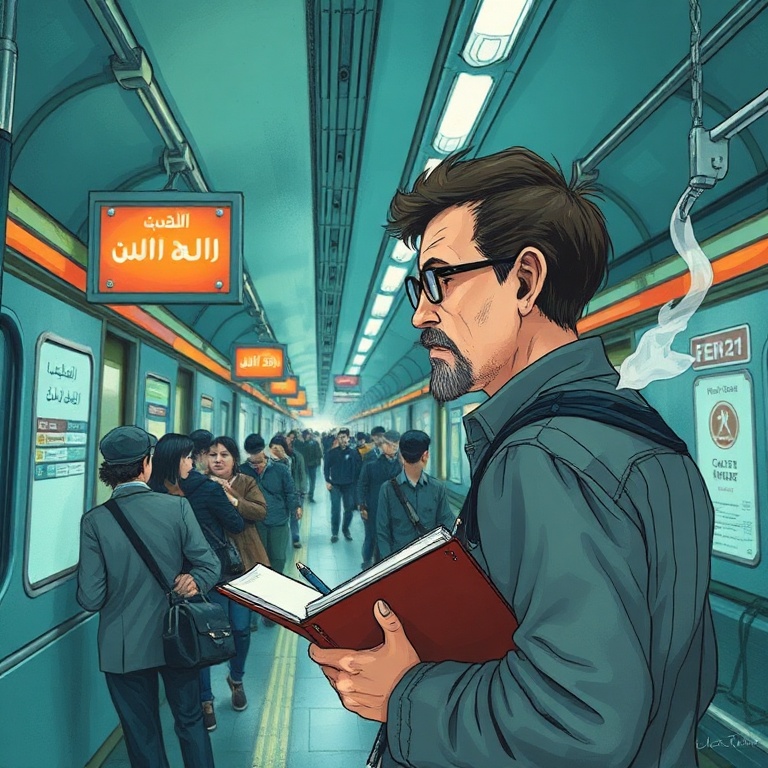
How budget travel looked a decade ago

Visa and Metro costs in the early 2010s
If you flip through travel guides from the early 2010s, the Cairo budget narrative looks dramatically different. Back then, the e‑Visa cost a flat US$25 and the Metro’s “short‑trip” fare hovered around EGP 5, a full 60 % cheaper than today’s EGP 8. Those guides also praised the simplicity of cash‑only tickets, which meant you could hop on a train without a card, but it also meant you were constantly hunting for loose change.
Hostel and street‑food pricing then
The old guard of backpackers often relied on “hostel‑hopping” in the historic Islamic Quarter, where dorm beds could be snagged for as little as US$8 per night. Food costs were similarly low: street‑side falafel and koshari stalls sold plates for roughly EGP 10 (≈ US$0.55). Combined, a daily budget of US$25‑30 could comfortably cover visa, lodging, meals, and a few metro rides. However, those figures ignored the hidden cost of inflation and the gradual modernization of Cairo’s transport network.
Modernization and price shifts
Fast‑forward to 2026, and the market has shifted. The introduction of the unified transport card mirrors a global move toward digital fare systems, akin to Tokyo’s Suica or Seoul’s T‑money. While the card’s discounted rates for students and veterans are a boon, they also signal a pricing strategy that extracts more revenue from tourists who lack local discount eligibility. The historical perspective reminds us that budget travel is a moving target; what was cheap a decade ago can become premium today, and savvy travelers must constantly recalibrate.
7‑day budget breakdown (2026 figures)

Let’s break down a realistic 7‑day backpacking itinerary using the latest figures.
Daily expense categories
- Visa: US$30 (≈ EGP 575) amortized over a week ≈ US$4.30 per day.
- Accommodation: mixed‑gender dorm in a central hostel US$12 (≈ EGP 230) per night → US$12 per day.
- Food: breakfast from hostel kitchen (≈ EGP 5), lunch at a koshari stall (≈ EGP 15), dinner at a modest eat‑out (≈ EGP 30) = ≈ EGP 50 (≈ US$2.70) per day.
- Transport: one‑time card fee EGP 20 (≈ US$1.10). Daily rides (two short trips = EGP 8 each, one medium‑range trip = EGP 10) → EGP 26 (≈ US$1.40) per day. Add occasional BRT/LRT rides at veteran rate EGP 5 per ride → extra EGP 30 (≈ US$1.60) for the week.
- Contingency: US$5 per day for museum entries, occasional taxis, etc.
Summing the categories: Visa US$4.30 + Accommodation US$12 + Food US$2.70 + Transport US$1.40 + Contingency US$5 ≈ US$25.40 per day. Over seven days the total lands at US$177.80, comfortably under a US$200 “Cairo budget” and leaving room for souvenirs or an extra night out.
Looking for a similar eight‑day plan? Our solo Egypt budget checklist walks you through each day’s expenses.
These numbers illustrate why the unified card matters: without it, cash fares could push daily transport costs to US$2‑3, inflating the weekly total by over US$10. Moreover, the tiered metro pricing means that longer trips (e.g., from Giza to Maadi) can quickly become pricey if you’re not strategic about route planning.
Upcoming transport developments and budget impact
Looking ahead, the Cairo transport ecosystem is on the cusp of a major overhaul. The monorail, slated to connect the New Administrative Capital with the historic core, will introduce a premium tier of service priced higher than the Metro but offering faster, climate‑controlled rides. Early estimates place a single monorail ticket at EGP 30 (≈ US$1.60), which could tempt budget travelers seeking speed but also strain a tight daily allowance.
LRT and BRT network expansion
Simultaneously, the Light Rail Transit (LRT) and Bus Rapid Transit (BRT) networks are expanding into suburban districts like New Cairo and 6th of October City. These lines will adopt the same unified electronic card, but the fare structure may introduce new zones, potentially raising costs for long‑distance commuters. For the veteran backpacker, the key will be to leverage the card’s discount tiers—students, veterans, and persons with disabilities enjoy a flat EGP 5 per ride, effectively neutralizing zone‑based price hikes.
Digital ticketing and privacy concerns
Culturally, the push toward digital ticketing aligns with Egypt’s broader tourism strategy: streamline entry, collect data, and tailor services. However, it also raises privacy concerns and the risk of “digital exclusion” for travelers who lack access to banking apps or prefer cash. The market may respond with third‑party providers offering prepaid cards, but those will likely carry service fees.
Projected budget increase
In the grand scheme, the next five years could see the average Cairo budget rise by 10‑15 % as infrastructure costs are passed to end‑users. Yet, savvy nomads who adopt the unified card early, plan routes to avoid premium monorail legs, and continue to hunt street‑food bargains will still be able to stretch a modest budget across a rich cultural tapestry.
Veteran’s budget‑leak checklist
Listen, kid, the moment you think you’ve nailed the “Cairo budget” you’re already two steps behind the bureaucracy. Visa fees creep up like a sandstorm, metro fares get a facelift, and before you know it you’re paying for a card you never asked for. The veteran’s trick is to treat every official announcement as a potential budget leak and to lock in discounts before they become headline news.
And don’t even get me started on the “future” hype. Monorails, LRTs, and shiny QR‑code cards sound like sci‑fi, but they’re just another way for the system to squeeze a few extra pounds out of the backpacker’s wallet. My advice? Keep a stash of cash for the old‑school stalls, master the art of route‑hopping, and never, ever trust a price tag that isn’t printed in Arabic. That’s how you survive the grind and still have enough left for a proper kebab at midnight.
Related Guides & Further Reading
Related Guides & Further Reading
Check out the Cairo budget archives.
Check out the Cairo budget archives.
or