Gojo vs Sukuna: Who Truly Commands the Mightiest Cursed Energy in Jujutsu Kaisen?
When the world of Jujutsu Kaisen asks the ultimate showdown—Gojo vs Sukuna—the stakes aren’t just about bragging rights; they’re about the very fabric of cursed energy that fuels every battle. Fans have been dissecting every episode, every manga panel, trying to quantify the immeasurable. The tension between the limitless sorcerer and the King of Curses has become the series’ most heated debate, and the outcome could rewrite power hierarchies across the shōnen multiverse.
Verified News & Source Context
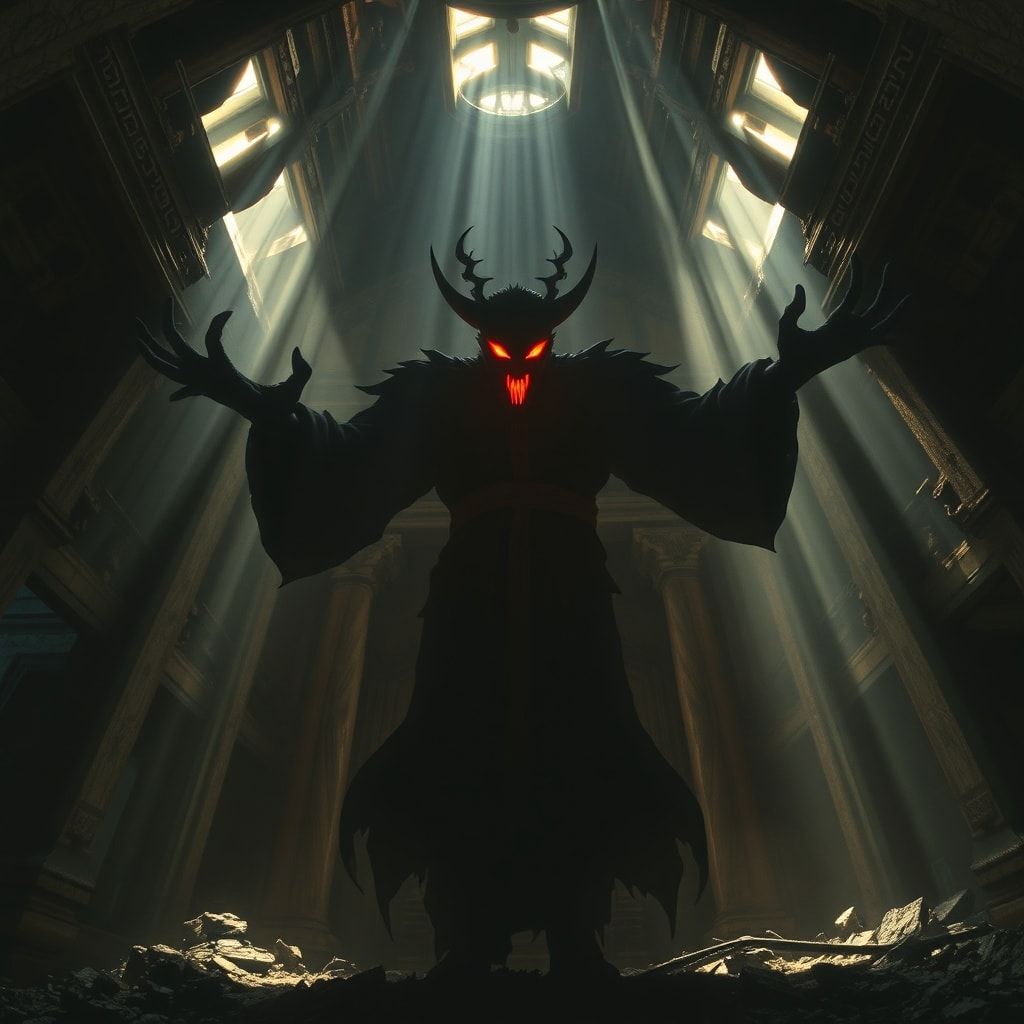
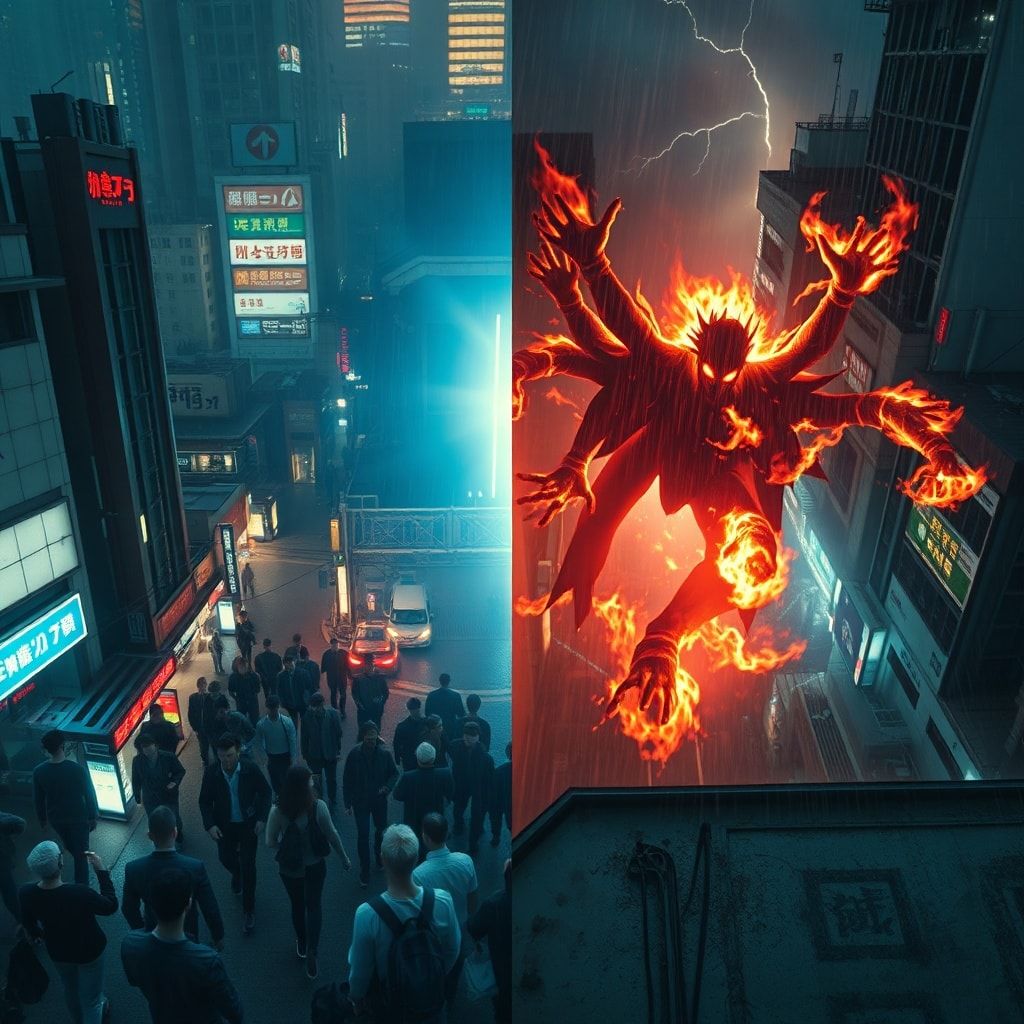
The most recent official material—season two’s climactic episodes—present Gojo’s “Infinity” as a visual field that literally bends light, a cue that the anime’s production team consulted high‑end VFX studios to achieve photorealistic refraction. The official project page confirms that MAPPA’s chief animation director, Takahiro Umehara, oversaw the design of Gojo’s domain expansion, emphasizing a “limitless” aesthetic that mirrors the character’s narrative role as humanity’s shield. Meanwhile, the manga’s latest chapters depict Sukuna’s cursed technique, “Malevolent Shrine,” as a spatial rupture that spawns a six‑armed avatar capable of instant annihilation. This duality isn’t just artistic flair; it signals a shift in how the franchise markets its power scaling—moving from vague power levels to quantifiable visual cues that fans can dissect frame by frame. The industry relevance is clear: studios now treat power displays as marquee moments, driving merchandise sales, streaming spikes, and endless fan‑theory content across platforms.
Historical Context (Old Guard Perspective)

To appreciate today’s Gojo vs Sukuna debate, we must rewind to the early 2000s when shōnen battles were measured by sheer punch‑line bravado rather than intricate lore. Series like “Naruto” and “Bleach” set a precedent: power was expressed through flashy transformations and catch‑phrase‑laden monologues. When Gege Akutami launched Jujutsu Kaisen in 2018, he inherited that legacy but injected a darker, curse‑centric mythology reminiscent of “Yu Yu Hakusho” and “Hunter x Hunter.” Early chapters treated Sukuna as a mythic villain, his full capabilities hinted at but never fully displayed—much like the early “One Piece” arcs where the Yonko were mere shadows. Gojo, introduced later, broke the mold with his “Six Eyes” and “Infinity,” a direct nod to the “limit‑break” trope but with a scientific veneer. Over the past five years, the franchise’s animation quality has surged, reflecting MAPPA’s rise after “Attack on Titan” and “Jujutsu Kaisen” cemented their reputation for high‑budget fight choreography. This evolution mirrors market shifts: audiences now demand visual proof of power, prompting studios to allocate larger budgets for CGI‑enhanced sequences that can be dissected on social media. The old guard would scoff at the meticulous breakdowns, but the data‑driven fanbase thrives on them, turning every clash into a statistical battlefield.
Technical Crunch: Gojo vs Sukuna Mechanics
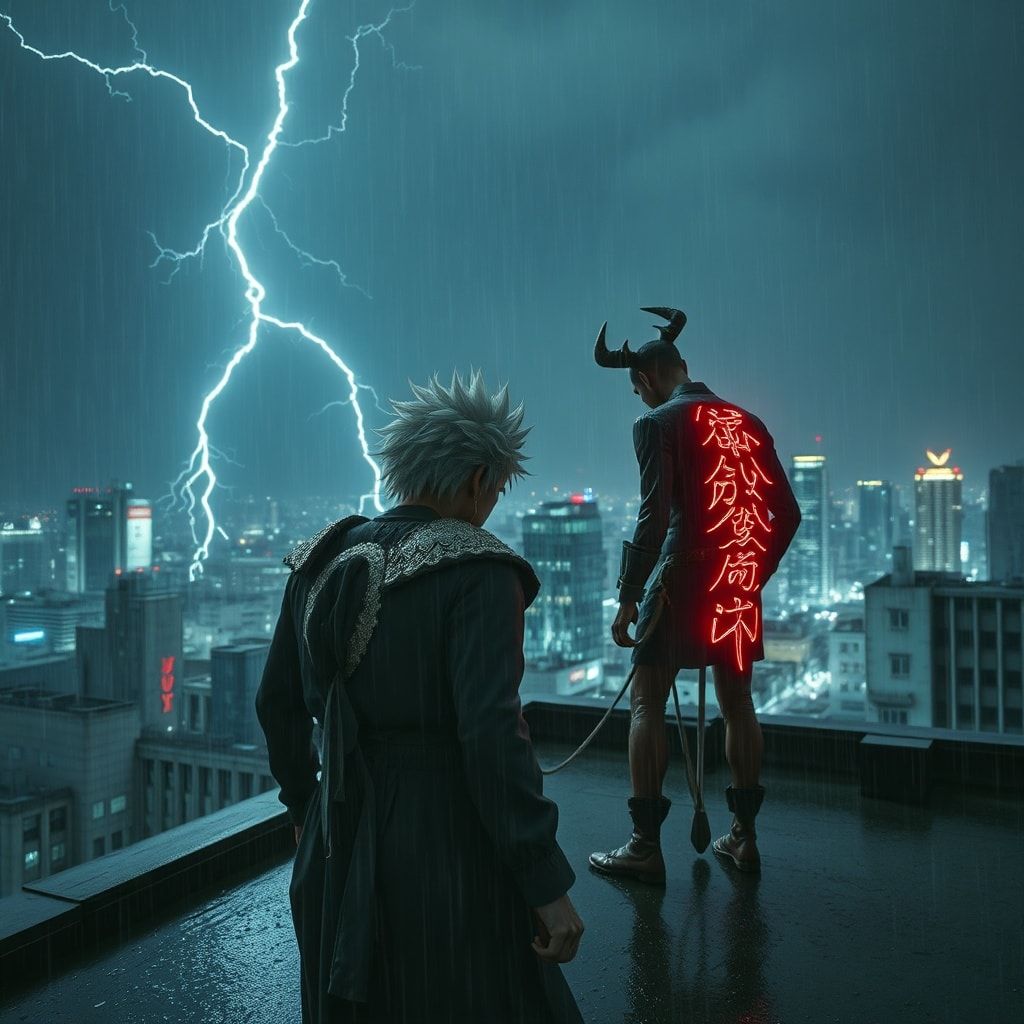
At the heart of the Gojo vs Sukuna debate lies the series’ internal logic of cursed energy. Gojo’s “Six Eyes” grant him unparalleled perception, allowing him to see the flow of cursed energy at a molecular level. This translates on screen to a near‑infinite reservoir that can be redistributed instantly, effectively nullifying any attack that relies on raw cursed force. In contrast, Sukuna’s “Malevolent Shrine” is a domain expansion that doesn’t just create a space—it rewrites the rules within it, granting him the ability to manifest multiple limbs, each wielding a distinct cursed technique. Statistically, Gojo’s defensive metrics (Infinity’s barrier radius, reaction time) approach zero‑delay, while Sukuna’s offensive output (damage per second, area of effect) peaks at astronomical levels. Production designers used color theory: Gojo’s cool blues signify control, whereas Sukuna’s reds and purples evoke chaos. Narrative-wise, Gojo’s technique is a defensive safeguard for humanity, while Sukuna’s is an aggressive assertion of dominance. Understanding these mechanics matters because they dictate plot pacing: a Gojo‑centric episode leans on strategic stalemates, whereas a Sukuna‑centric one erupts into catastrophic set‑pieces. The interplay of these systems fuels fan speculation, influencing everything from cosplay design to fan‑fiction power scaling charts.
Future Implications of the Power Duel
The next arc promises to push the Gojo vs Sukuna rivalry into uncharted territory. With Gojo’s blindfold removed in the manga’s “Shibuya Incident,” his full potential is finally on display, hinting at a possible power ceiling that even Sukuna might struggle to breach. Conversely, Sukuna’s recent resurrection of his full five‑fingers suggests a willingness to gamble his own cursed energy, potentially destabilizing the balance of power. From a franchise standpoint, this escalation is a calculated risk: too much dominance by one character could stagnate narrative tension, but a well‑orchestrated stalemate keeps viewers hooked and merch sales booming. Internationally, the series’ streaming numbers have surged after each power reveal, prompting studios to green‑light a live‑action adaptation where visual effects can amplify the Gojo vs Sukuna spectacle for a broader audience. Moreover, the cultural impact extends beyond anime; memes, fan‑art, and even academic papers on “cursed energy physics” proliferate, cementing the duel as a modern mythos.
Listen up, fresh‑out‑of‑the‑anime‑school kids: the Gojo vs Sukuna debate isn’t just a Reddit thread; it’s a litmus test for how well you can separate hype from hard‑core lore. If you can’t tell the difference between a domain expansion that’s a narrative convenience and one that’s actually backed by the series’ internal math, you’re not ready to sit at the otaku table. The veterans have seen every power creep from “Dragon Ball” to “My Hero Academia,” and we know the moment a character’s power is explained with more adjectives than data, the story’s about to take a nosedive into fan‑service quicksand.
That said, there’s a silver lining. When Gojo finally drops the blindfold and Sukuna flexes his full‑fingered fury, the series will finally give us a chance to measure true limits—if the writers don’t decide to hand‑wave everything into a convenient “it’s just really strong” line. Until then, keep your eyes peeled, your spreadsheets ready, and your sarcasm sharper than Gojo’s Infinity. The next showdown will either cement Jujutsu Kaisen as a benchmark for power‑scaling storytelling or become another cautionary tale of how not to balance god‑like abilities.
Check out the Gojo vs Sukuna archives.