The 10 Darkest Anime Series Ranked – A No‑Mercy Guide for the Brave
When the night grows thick with dread, only the most daring otaku dare to stare into the abyss of the darkest anime. If you’re looking for the full spectrum of shadowy series, check out our darkest‑anime hub before diving in. This guide pulls back the veil on ten series that bleed terror into every frame, promising sleepless nights and lingering nightmares. Buckle up, because the stakes are as high as a vampire’s fangs in a moonless sky.
Verified News & Source Context
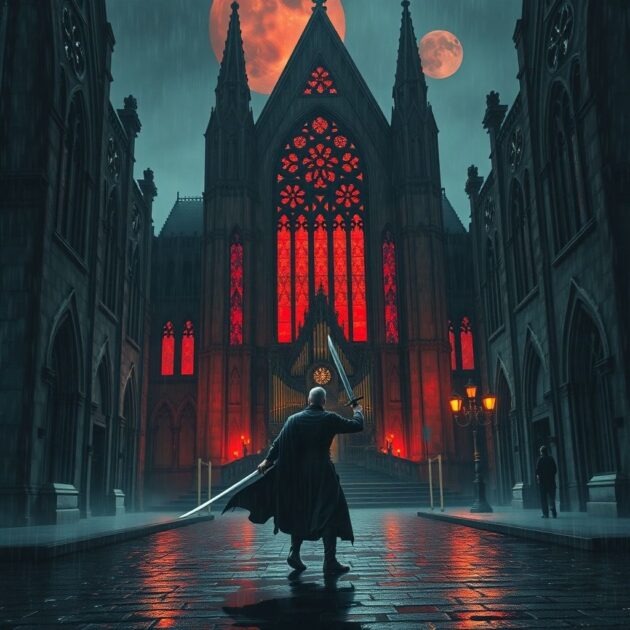
First up, Hellsing Ultimate – a ten‑episode OVA juggernaut co‑produced by Satelight and Madhouse, released intermittently from 2006 to 2012. Each 50‑minute installment pushes the envelope of graphic violence, marrying Alucard’s immortal charisma with a hyper‑stylized, blood‑saturated aesthetic that redefined the vampire genre for a new generation. The staggered release schedule allowed the studio to fine‑tune animation quality, resulting in a visual crescendo that still feels fresh today. official project page
If you’re craving a broader ranking, our blood‑stained countdown covers the same chilling lineup.
Next, Elfen Lied, a 13‑episode TV series that aired on AT‑X in 2004. Animated by Arms Corporation, its brutal exploration of human cruelty through the Diclonius—mutant beings with lethal vectors—set a new bar for psychological horror. Funimation’s North American licensing opened the series to a wider audience, cementing its cult status.
Another, a 12‑episode adaptation from 2012, showcases P.A. Works’ knack for atmospheric tension. Directed by Tsutomu Mizushima, it weaves a class‑room death‑loop narrative that balances slice‑of‑life moments with sudden, gruesome twists, making it a textbook case of horror pacing.
Shiki, a 22‑episode series broadcast on Fuji TV’s Noitamina block, blends traditional vampire lore with a modern epidemiological lens. Produced by Daume and animated by Studio Deen, it delves into the societal breakdown when a rural town faces a vampiric outbreak, offering a slow‑burn dread that mirrors real‑world panic.
Finally, the upcoming Uzumaki mini‑series, announced for 2023 by Production I.G., adapts Junji Ito’s iconic manga. Planned as two parts of three episodes each, its concise format promises a concentrated dose of cosmic horror, leveraging I.G.’s meticulous art direction to visualize spiraling madness.
Historical Context – The Old Guard Perspective
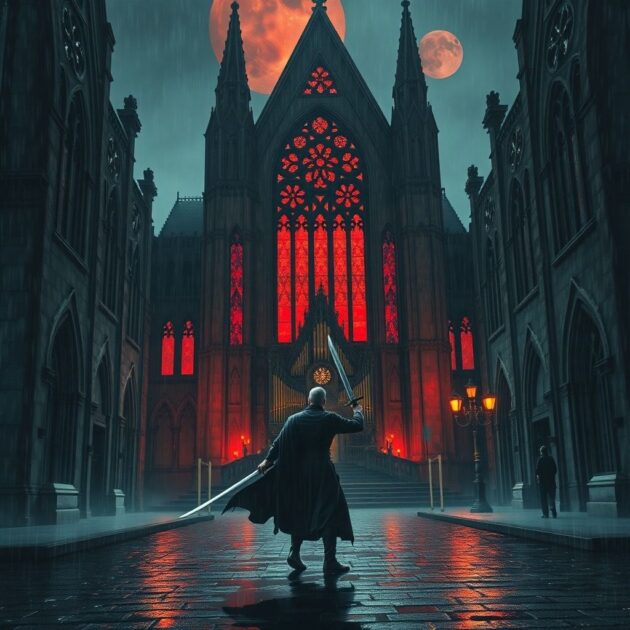
To appreciate why these titles sit atop the darkest anime throne, we must travel back to the 1990s, when series like Devilman Crybaby and Serial Experiments Lain first flirted with existential dread. Those early works laid the groundwork for graphic storytelling, but their budgets and broadcast constraints limited visual fidelity. Fast forward to the early 2000s, studios such as Madhouse and Arms began exploiting the OVA market, granting creators freedom from network censorship. Hellsing Ultimate epitomizes this shift, delivering uncut gore that would have been impossible on prime‑time TV.
The rise of streaming platforms in the 2010s further democratized horror anime, allowing niche titles like Another to find global audiences without the pressure of weekly ratings. This era also saw a resurgence of classic horror motifs—vampires, curses, and body horror—reimagined through modern animation techniques. Studios like P.A. Works leveraged their reputation for lush backgrounds to amplify tension, while Production I.G. capitalized on its reputation for meticulous detail to bring Junji Ito’s nightmarish visions to life.
Market trends reveal a cyclical appetite for darkness: after a lull during the early 2000s, the genre resurged with the “new horror wave” of the 2010s, driven by fan‑demand for mature content. The convergence of high‑budget CGI, global distribution, and a generation of creators raised on both Japanese horror cinema and Western thrillers created a perfect storm for the darkest anime to flourish.
Technical Crunch – Information Gain
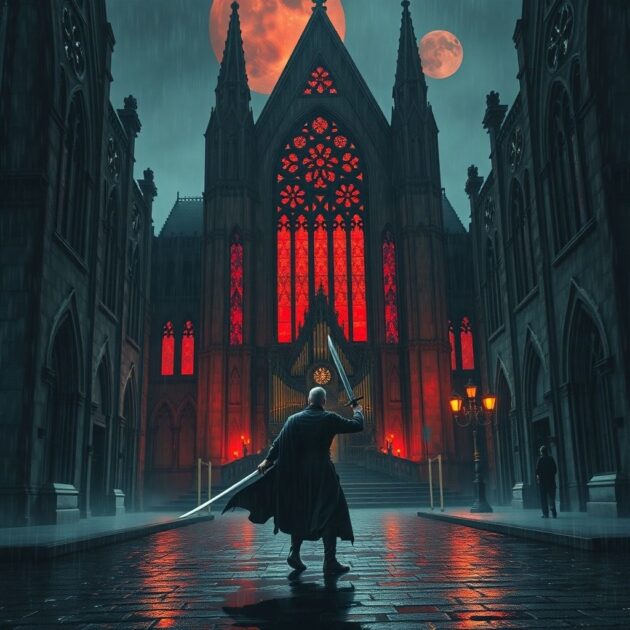
From a production standpoint, each series employs distinct technical arsenals to amplify terror. Hellsing Ultimate utilizes a hybrid of traditional cel‑animation and digital compositing, allowing for fluid, hyper‑realistic blood splatters that react to lighting in real time. The series’ color palette—deep reds, stark blacks, and occasional neon—creates a visceral contrast that heightens shock value.
Elfen Lied relies on stark, high‑contrast shading to emphasize the Diclonius’ vectors, turning each telekinetic thrust into a line of light that slices through the frame. The use of motion blur and rapid camera pans during combat sequences simulates disorientation, mirroring the protagonist’s mental breakdown.
In Another, the sound design is as crucial as the visuals. Ambient creaks, distant whispers, and sudden silences are layered with a minimalist piano motif, building a soundscape that primes viewers for jump scares. The series also employs a “day‑night cycle” visual cue—shifts in lighting that correspond with narrative tension, a technique borrowed from horror cinema.
A different perspective on the genre’s evolution is explored in our grim descent analysis.
Shiki adopts a slower, atmospheric pacing, using long takes and natural lighting to convey the oppressive heat of a summer village. The animation of blood—muted, dripping, and often unseen—relies on suggestion rather than explicit gore, a nod to classic Japanese horror’s reliance on implication.
Finally, Uzumaki promises to integrate CGI with hand‑drawn frames to render the spirals that dominate the manga. By employing procedural generation algorithms, Production I.G. can create endlessly varying vortex patterns, ensuring each episode feels fresh while maintaining thematic consistency.
Future Implications – Where Darkness Leads
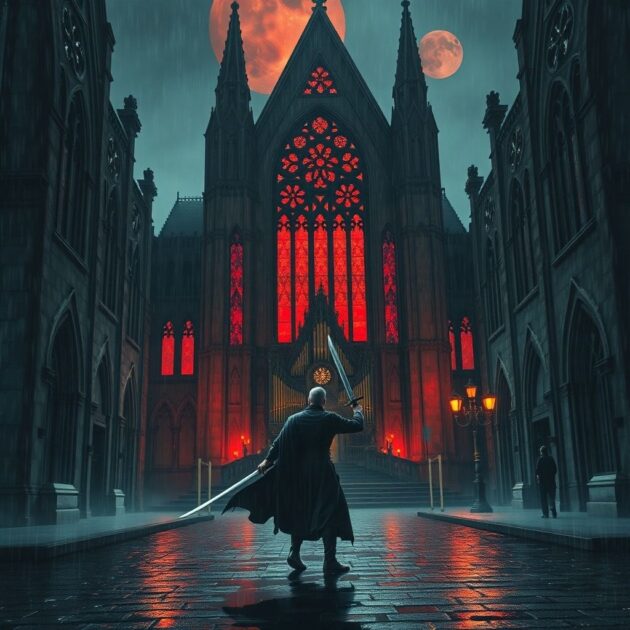
The success of these series signals a robust market for mature, horror‑driven anime. Studios are likely to green‑light more adaptations of niche manga, especially those with strong visual identities like Junji Ito’s works. As streaming services compete for subscriber attention, we can expect higher budgets, more experimental storytelling, and perhaps even cross‑media collaborations—think live‑action tie‑ins or VR horror experiences.
Moreover, the thematic depth explored—social decay in Shiki, the ethics of genetic manipulation in Elfen Lied, and the psychological toll of endless death loops in Another—offers fertile ground for academic discourse and fan analysis. This could elevate horror anime from fringe entertainment to a respected sub‑genre within media studies.
Listen up, fresh‑blood otaku. The darkest anime aren’t just about gore for gore’s sake; they’re a mirror held up to our own nightmares, polished with the kind of production values that would make a Hollywood studio weep. If you think you can handle the blood‑soaked brilliance of Hellsing Ultimate without choking on the sheer audacity of its animation, you’re either a masochist or a true connoisseur of cinematic carnage.
Don’t be fooled by the glossy trailers of upcoming projects like Uzumaki. The real horror lies in the industry’s willingness to gamble on stories that make even seasoned veterans squint. When studios pour cash into spiraling madness, they’re betting that the audience’s appetite for dread is as insatiable as a vampire’s thirst. Mark my words: the next wave will be darker, more psychologically twisted, and it’ll separate the true horror aficionados from the casual scream‑watchers. Stay sharp, keep your katana ready, and never trust a pretty opening theme.
Related Guides & Further Reading
Check out the darkest anime archives.