Hangzhou Budget Guide: How to Roam the City for Two Days on Less Than $50
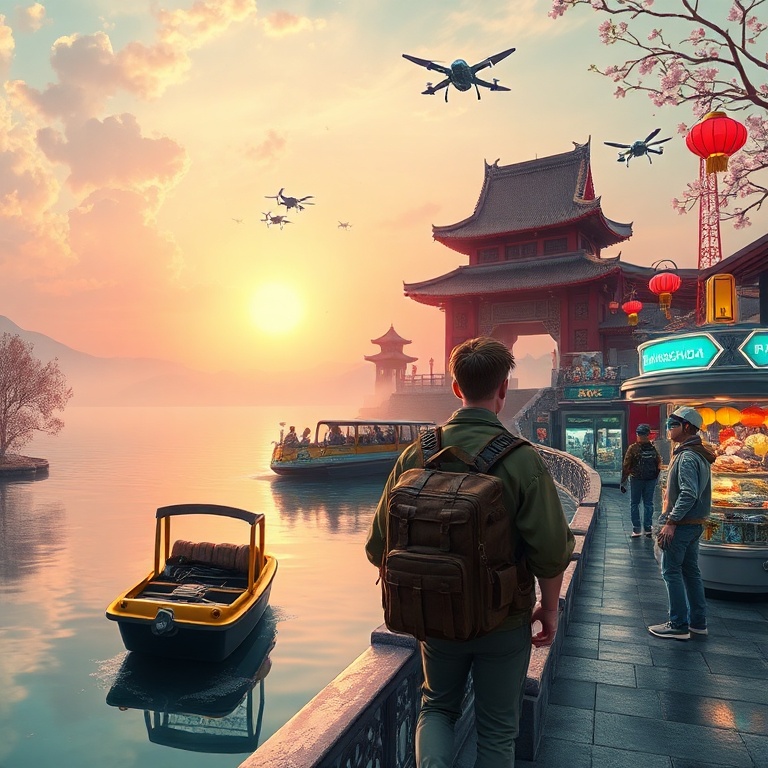
Ever wondered if you could actually see Hangzhou’s famed West Lake without blowing your entire paycheck? Our Hangzhou budget hub proves that a two‑day sprint through this historic city can stay under $50 if you play your cards right. If you’re looking to squeeze even tighter, check out how to explore Hangzhou on $30 a day without missing a beat.
Current Ticket Prices and Pass Options
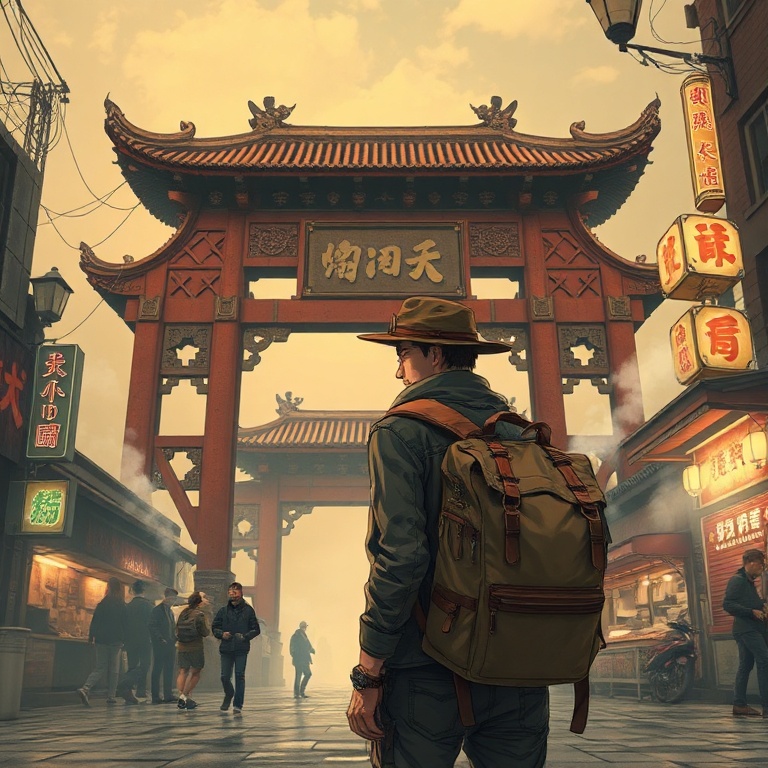
West Lake Sightseeing Tourist Car fares
| Ticket type | Full‑loop price | Per‑segment price | Notes |
|---|---|---|---|
| Standard modern carriage | |||
| Single‑pass | ¥40 | ¥10 per 3.4 km slice | Operates 08:30 – 17:00 year‑round; 08:30 – 20:30 in summer |
| Antique carriage | ¥80 | ¥20 per slice | Targets nostalgic tourists; price per km is double |
The hop‑on/hop‑off service links directly to Metro Line 1 at Longxiangqiao Station, turning a simple metro ride into a scenic lake tour without extra transfers.
Hangzhou Park Annual Pass
The Hangzhou Park Annual Pass, sold at 61 Nanshan Road (south of Luoma Square, Xueshi Park), grants free entry to major attractions such as Lingyin Temple’s Feilai Peak, Hupao, the Botanical Garden, the Zoo, and Xixi National Wetland Park. The sales centre operates 08:30 – 16:30, never closing for public holidays, and can be reached at +86 571 87065409. Owning this pass eliminates admission fees, turning a potential ¥200‑¥300 expense into a zero‑cost experience. For backpackers, the pass is a game‑changer, especially when paired with the cheap car tickets.
These figures illustrate how Hangzhou’s tourism infrastructure is deliberately tiered to accommodate budget travelers while still offering premium experiences for those willing to splurge. The city’s strategy mirrors a broader Chinese trend: subsidized public transport and bundled ticketing to boost domestic tourism post‑COVID. For the savvy nomad, understanding these layers means you can stack savings—metro to Longxiangqiao, cheap car pass, annual park pass—and keep the total under $50. For the full official breakdown, see the official project page.
Historical Perspective on Budget Travel in Hangzhou
Budget travel in China isn’t a new phenomenon. In the early 2000s, the “backpackers’ wave” hit cities like Beijing and Shanghai, where hostels and cheap rail passes became the norm. Hangzhou, however, lagged behind due to its reputation as a high‑end tourist spot, famous for tea houses and luxury cruises on West Lake. The old guard—travel agencies from the 1990s—focused on premium packages, leaving a gap for independent explorers.
When the Chinese government rolled out the “National Scenic Area” program in 2015, it mandated that major attractions provide affordable entry options, prompting Hangzhou to launch the Park Annual Pass. This move echoed the earlier “Japan Rail Pass” model, which revolutionized budget travel across Japan by bundling unlimited rides for a flat fee. Hangzhou’s pass mirrors that philosophy, democratizing access to cultural heritage sites that were once the preserve of affluent tourists.
Studio trends in travel media also shifted. Early travel shows glorified five‑star stays, but the rise of vloggers and “budget nomad” influencers forced a pivot toward authentic, low‑cost experiences. This cultural shift pressured local authorities to be transparent about pricing, leading to the detailed fare tables we see today. The Hangzhou budget guide is thus the product of two converging forces: governmental policy aimed at inclusive tourism, and a media landscape that celebrates frugality as a virtue.
Cost‑Effective Mechanics of the West Lake Car System
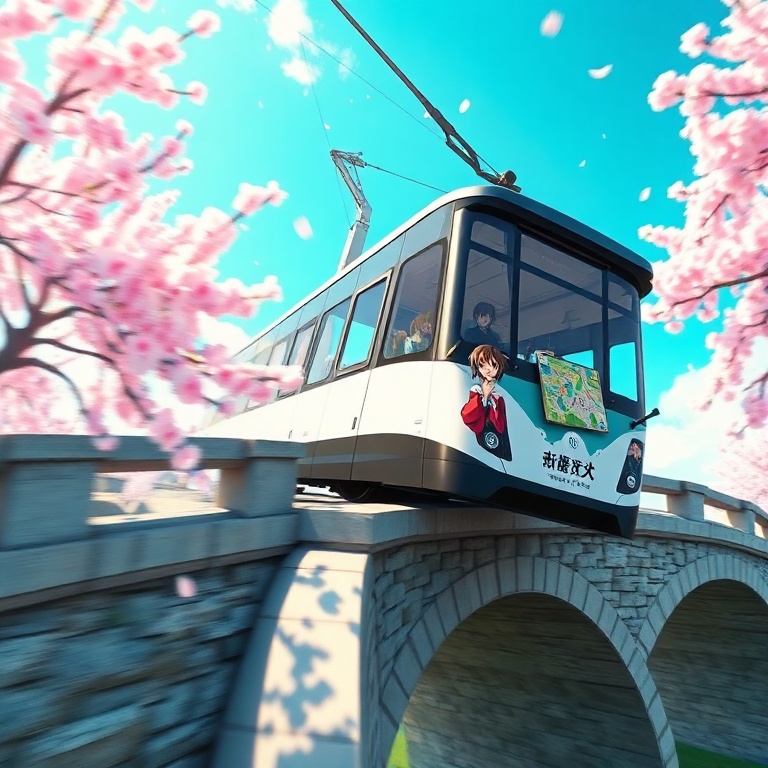
At first glance, the West Lake Sightseeing Tourist Car seems like a simple hop‑on/hop‑off bus, but its pricing architecture is a masterclass in micro‑economics. The single‑pass ¥40 ticket covers the entire 13.5 km circuit, effectively pricing the ride at ¥2.96 per kilometre—a bargain compared to typical city taxis that charge ¥2‑¥3 per kilometre plus base fare. The antique carriage, priced at ¥80, targets tourists seeking nostalgia, but its cost per kilometre doubles, making it a clear upsell.
The modular ticketing—¥10 per segment—creates a “pay‑as‑you‑go” model that encourages short hops for those who only want to see specific sights, like the Su Causeway or Leifeng Pagoda. This flexibility reduces wasteful spending; a traveler can hop off at the tea house, enjoy a cup of Longjing, then hop back on for the next landmark.
From an operational standpoint, the fleet runs on a fixed schedule, allowing the city to predict ridership and allocate resources accordingly. The summer extension to 20:30 capitalises on longer daylight, increasing ticket sales without additional staffing—an example of revenue optimisation through schedule elasticity. Weather‑based adjustments, while sometimes inconvenient, protect the fleet from damage, ensuring long‑term cost savings that can be passed back to passengers via stable fares.
**Budget‑traveller tip:** start at Longxiangqiao, purchase the ¥40 full‑loop pass, hop off at Lingyin Temple (a short walk away), then continue to Xixi Wetland using the free annual park pass. The synergy of these systems is what keeps the total daily expense well under $25, leaving room for meals and souvenirs.
Emerging Trends and Future Possibilities
The success of Hangzhou’s budget‑centric model could set a precedent for other Chinese megacities aiming to attract the growing “generation Z” traveller cohort, who prioritise experience over luxury. If the city continues to refine its integrated ticketing—perhaps introducing a unified digital pass that bundles metro, car, and park entries via QR code—the frictionless travel experience will become a benchmark for smart tourism. Such a move would also align with China’s “Digital Silk Road” initiative, leveraging technology to streamline public services.
Moreover, the annual park pass could evolve into a subscription model, offering tiered benefits like early‑bird entry to seasonal festivals or exclusive guided tours. This would create a recurring revenue stream for the municipality while fostering a community of repeat visitors who act as brand ambassadors. On the cultural front, increased accessibility may lead to a resurgence of interest in Hangzhou’s intangible heritage—tea ceremonies, traditional opera, and local crafts—ensuring these practices survive in a modern, globalised context.
Insider Tips & Cautions
Listen up, fresh‑bloods: the moment you think you’ve cracked the Hangzhou code is the moment the city throws a new fare tier at you. The tourism board loves a good headline—“Free Entry for All!”—but the fine print always hides a surcharge for Wi‑Fi or a “cultural experience tax.” Stay sharp, read the tiny Chinese characters, and never trust a “single‑pass” that suddenly becomes “single‑pass plus insurance.”
And another thing—those antique carriages? They’re a nostalgic gimmick designed to milk the nostalgia‑hungry tourists who think a wooden carriage equals a cultural deep‑dive. In reality, you’re paying double for a slower ride and a photo op. Use the cheap modern car, grab the annual park pass, and spend your saved cash on real experiences—like a night market stall serving steaming zongzi. That’s the true spirit of a budget nomad, not a selfie‑stuck tourist in a gilded carriage.
Related Guides & Further Reading
Check out the hangzhou-budget-guide archives.