How to Crush the Portugal March Budget: Backpacker’s One‑Week City Blitz
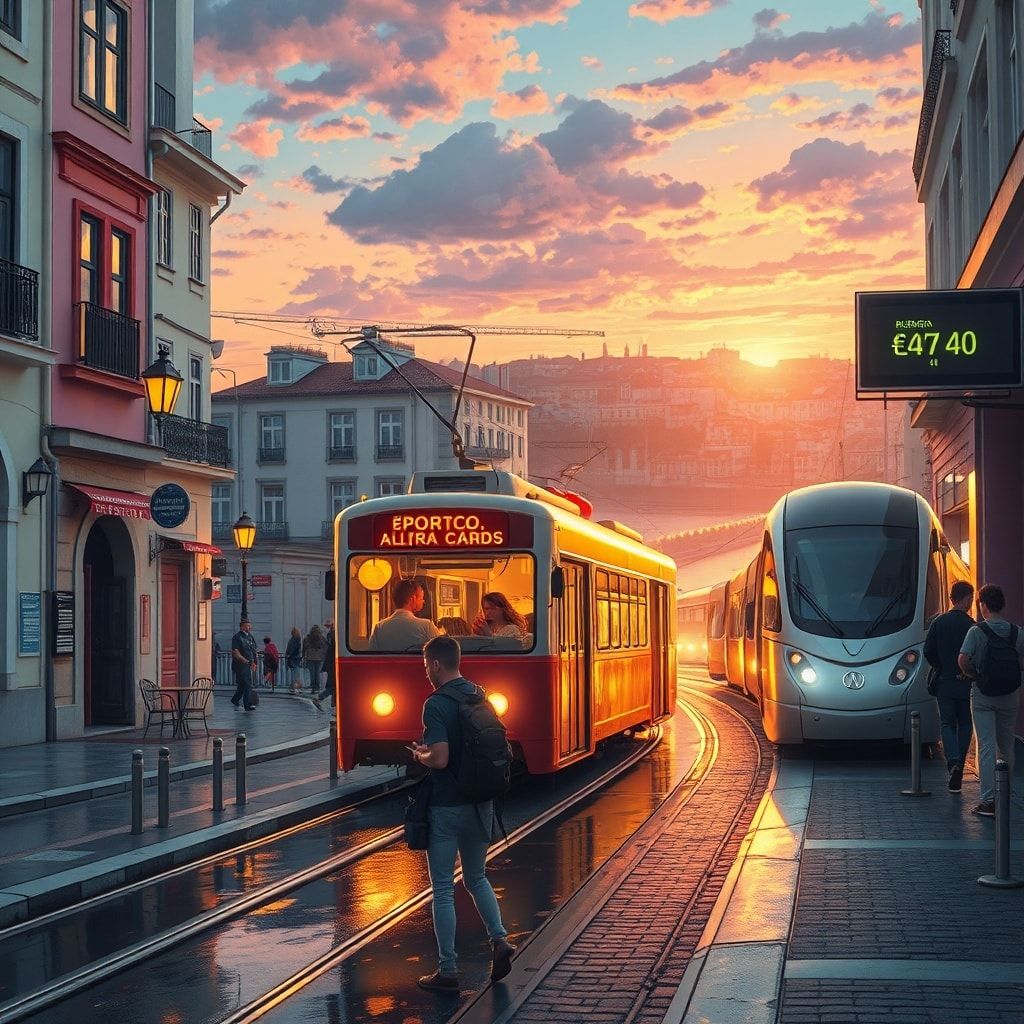
When the spring rain starts to patter over the Iberian coast, the savvy wanderer eyes the Portugal March budget like a treasure map, knowing every euro saved stretches the adventure. For a full breakdown, check out our complete Lisbon budget hub, which lays out every cost‑saving trick before you book your ticket. Miss the timing and you’ll be paying premium rates for the same tram ride, turning a dream trip into a wallet‑wrenching nightmare.
Decoding the Portugal March Budget: Passes, Prices, and Practicalities

The first piece of the puzzle is the Lisboa Card, a public‑transport pass that doubles as a discount gateway for museums and attractions. Priced at €27 for 24 hours, €44 for 48 hours, and €54 for 72 hours, it grants unlimited rides on buses, trams, metros, and even the scenic train routes to Sintra and Cascais. For families, children (4‑15 y) enjoy reduced rates of €18, €24.50, and €30.50 respectively, making group travel surprisingly affordable. Meanwhile, the Porto Card offers a similar value proposition: €13 for a single day of transport and attraction discounts, scaling up to €33 for four days, while a pedestrian‑only version starts at €6. These cards are not just convenience tools; they are cost‑containment weapons that can shave up to 40 % off a typical transport bill when used wisely.
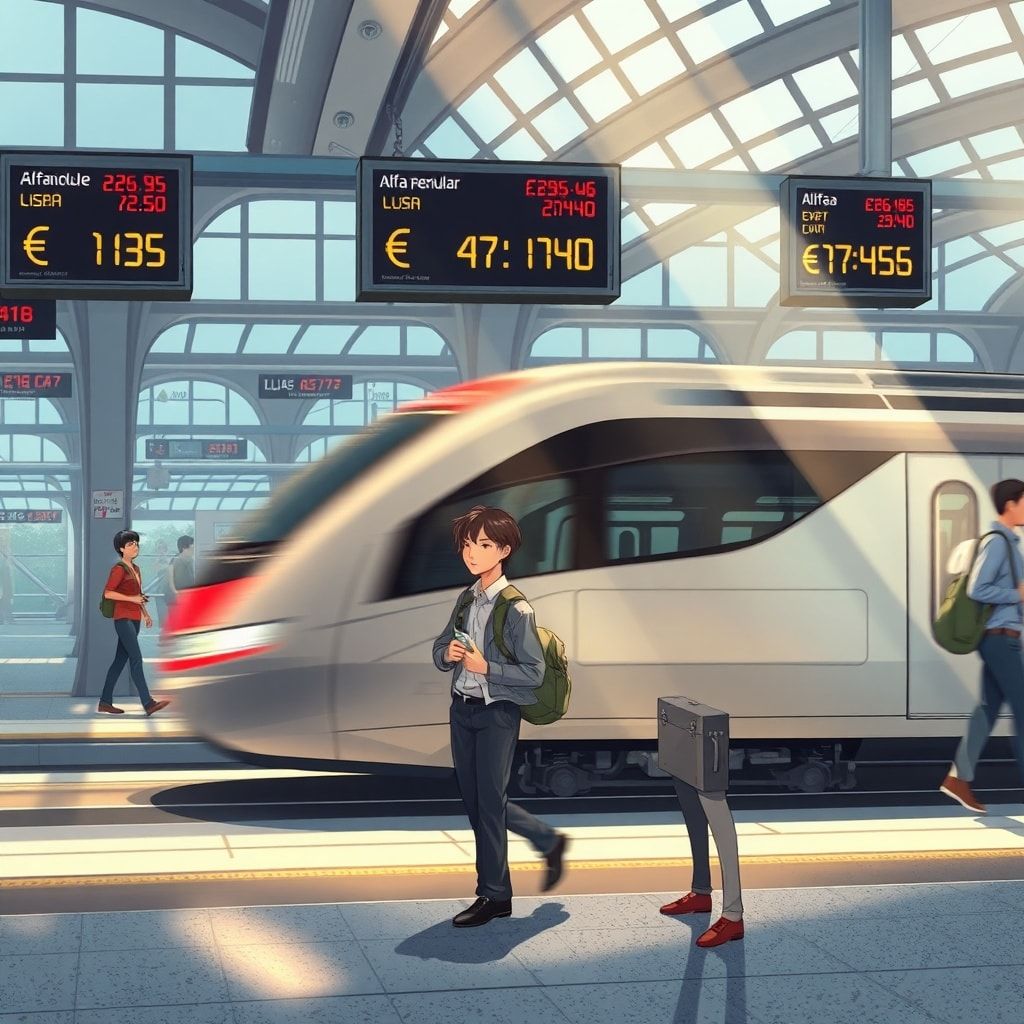
The high‑speed Alfa Pendular train, an affordable intercity travel tip, between Lisbon and Oporto is another budget‑sensitive decision point. Second‑class tickets start at €33.90, while first‑class nudges the price to €47.40. The slower Intercidades service drops the fare range to €26.85–€39.75, a sweet spot for those willing to trade speed for savings. Urban taxis, often a last‑minute fallback, start at €3.25 during daylight and €3.90 after dark, with extra surcharges for radio‑taxi calls (€0.80) and luggage racks (€1.60). On the culinary front, a traditional espresso (“bica”) costs between €0.60 and €1.00, a milk coffee (galão) €1.00‑€1.50, and a beer or Coca‑Cola €1.00‑€2.00. These baseline figures help backpackers construct a realistic daily budget, ensuring that the occasional splurge on a pastel de nata doesn’t derail the entire trip.
All these numbers are sourced from the official project page, which consolidates national tourism data and pricing structures. Understanding the interplay between transport passes, train tiers, and everyday consumables is the first step toward mastering the Portugal March budget.
From Past to Present: How Backpacker Guides Evolved in Portugal
Back in the early 2000s, backpacker guidebooks were bulky tomes filled with static maps, generic hostel listings, and vague budget advice. Those guides often ignored the nuanced pricing structures that now dominate the Portuguese tourism ecosystem. The rise of digital platforms and real‑time data collection has transformed the genre, allowing modern itineraries to integrate dynamic pricing for transport cards, train tickets, and even café menus. The old guard of guide publishing—think Lonely Planet’s 2005 Portugal edition—relied heavily on fixed price assumptions, which quickly became outdated as the Lisboa and Porto cards were introduced.
The shift mirrors broader industry trends: tourism boards worldwide have begun to monetize data, offering official APIs that feed into travel apps. Portugal’s tourism authority, for instance, released the detailed fare breakdowns we see today, enabling third‑party developers to embed live cost calculators into their itineraries. This democratization of information has empowered backpackers to craft hyper‑personalized routes, swapping a generic “Lisbon day 1” for a data‑driven plan that maximizes the €27 Lisboa Card while still leaving room for a midnight sardine grill.
Moreover, the cultural narrative around backpacking has evolved. Where once the image was a lone wanderer with a battered rucksack, today the community is more collaborative, sharing tips on forums, Instagram reels, and YouTube vlogs. This collective intelligence feeds back into the guide ecosystem, creating a virtuous cycle where updated cost data informs content creators, who then disseminate refined budget strategies. The result is a more resilient, adaptable guide landscape that can respond to price fluctuations, seasonal demand, and even unexpected events like transport strikes.
Technical Crunch: Transport Cards, Trains, and Coffee Economics

Let’s dissect the mechanics behind the numbers. The Lisboa Card’s tiered pricing is designed around a break‑even analysis: a typical day of unlimited transport in Lisbon costs roughly €6‑€7 if paid per ride. Over 24 hours, the €27 card pays for itself after about four trips, after which every additional ride becomes pure profit. Extend that to 48 hours and the break‑even point drops to roughly eight rides, making the €44 card a no‑brainer for anyone planning to explore both the historic Alfama district and the modern Parque das Nações.
On the rail front, the Alfa Pendular’s pricing algorithm factors in distance, class, and demand elasticity. Second‑class seats are priced to fill capacity while still offering a premium speed advantage over Intercidades. First‑class, meanwhile, adds a ~30 % markup for added comfort, catering to business travelers and affluent tourists. By comparing the €33.90 second‑class fare to the cumulative cost of two separate Lisboa Card days (€27 × 2 = €54), the train emerges as the cheaper intercity option for a two‑day hop, provided the traveler can forego the intra‑city benefits of the card.
Coffee economics also play a subtle yet pivotal role. A bica at €0.80 on average translates to roughly €5.60 for a week of daily caffeine. While this seems negligible, it compounds when combined with other micro‑expenses like water bottles (€0.30) and snack bars (€1.20). Backpackers who track these “tiny” costs often discover that they can shave €10‑€15 off their weekly budget simply by swapping a café latte for a supermarket‑bought espresso.
Understanding these layers—card break‑even points, train price elasticity, and micro‑expense aggregation—allows travelers to construct a budget that isn’t just a rough estimate but a mathematically optimized plan. It’s the difference between arriving in O Porto with €20 left for souvenirs versus being forced to skip the iconic port wine cellar tour.
Future Implications: Scaling the Portugal March Budget for the Next Generation
The trajectory of budget travel in Portugal points toward greater integration of technology and personalized data. As the tourism board continues to refine its APIs, we can expect AI‑driven itinerary generators that automatically select the optimal mix of Lisboa/Porto cards, train classes, and daily food allowances based on a traveler’s declared spending ceiling. Imagine a smartphone app that, upon entering your arrival date, instantly calculates that a 72‑hour Lisboa Card paired with a single Alfa Pendular ticket will save you €12 compared to buying separate tickets, then pushes a notification to purchase before prices rise.
Culturally, the rise of “micro‑budget influencers” on platforms like TikTok is reshaping expectations. These creators showcase how to survive on €30‑day meals by leveraging supermarket loyalty programs, bulk coffee purchases, and free museum days. Their content not only democratizes travel but also pressures local businesses to adapt—offering student discounts, happy‑hour menus, and flexible ticket bundles. This feedback loop could lead to a more inclusive tourism ecosystem where the Portugal March budget becomes a living, evolving standard rather than a static checklist.
Listen up, green‑horns: the only thing scarier than a rainy March in Lisbon is the illusion that you can wing it without a numbers‑crunching plan. The Lisboa Card isn’t a souvenir; it’s a financial weapon. If you skip the break‑even math, you’ll end up paying more for a single tram ride than you would for a week‑long hostel stay. And don’t even get me started on the Alfa Pendular—those first‑class tickets are a trap for the unwary, promising luxury while draining your cash reserves faster than a binge‑watch session of a shōnen series.
My two‑decade‑long wanderings have taught me that the real adventure lies in mastering the budget, not just the sights. When you treat every espresso, every metro swipe, and every train ticket as a data point, you turn chaos into control. Future backpackers will thank you when they can afford that extra night in a riverside hostel or finally taste the authentic pastel de nata without rationing their euros. So tighten that strap, grab the right card, and let the numbers guide you to the hidden gems—because the best stories are written in the margins of a well‑planned budget.
Related Guides & Further Reading
Related Guides & Further Reading
Check out the Portugal archives.