Why the Coastal Train Sri Lanka Is the Ultimate Slice‑of‑Life Journey From Colombo to Galle
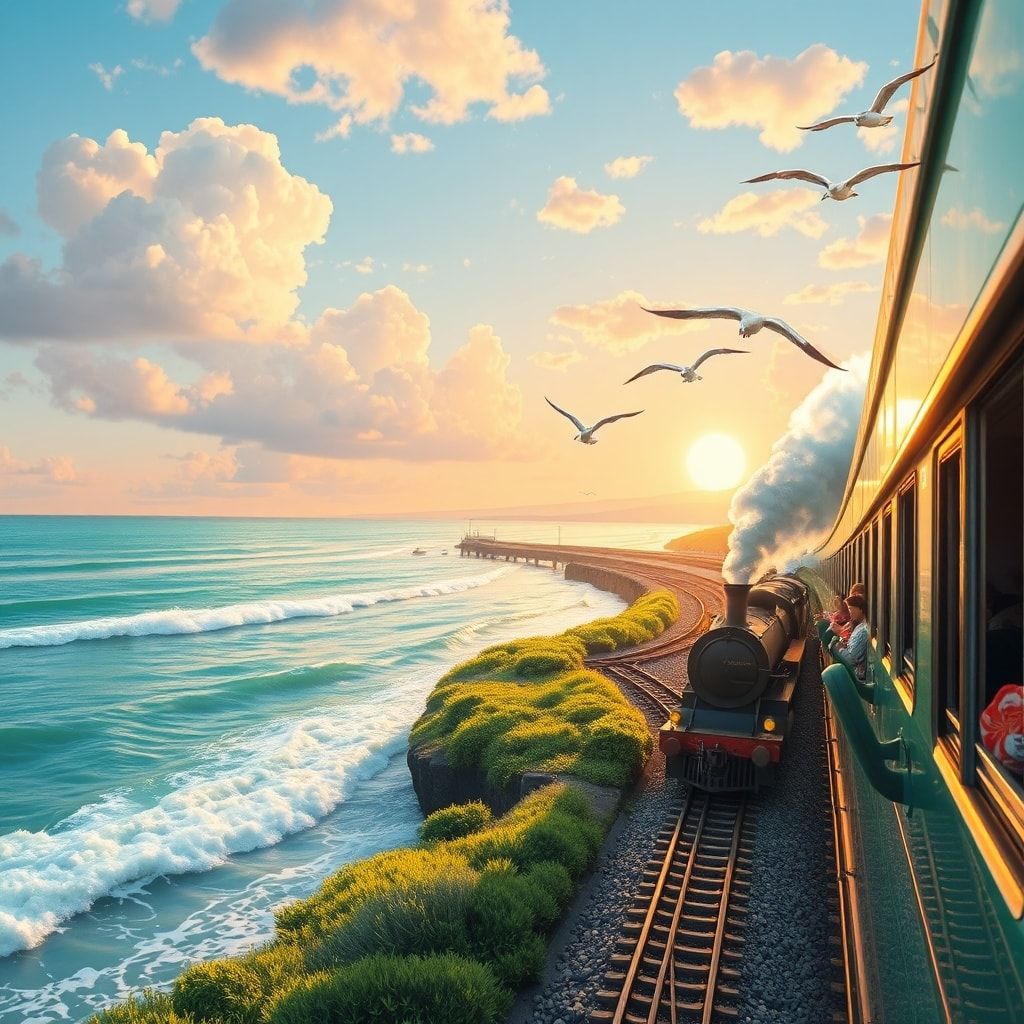
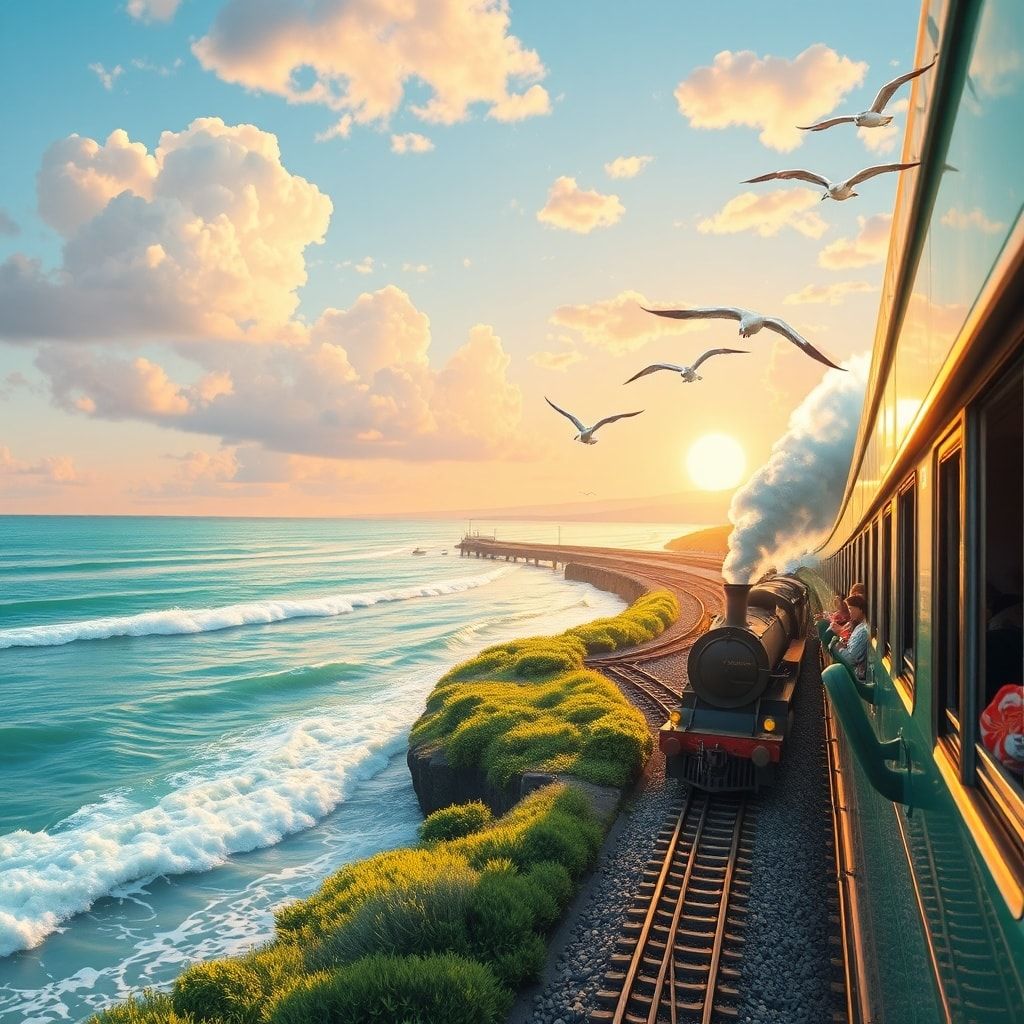
Ever wondered why the Coastal Train Sri Lanka feels like a moving postcard, promising both budget thrills and Instagram‑worthy vistas? The line stitches together bustling Colombo, sleepy seaside towns, and the turquoise Indian Ocean in a single 2‑hour ride. Miss it and you’ll be stuck watching the same tourist reels on repeat, while the real adventure rolls past you on steel rails. Before you hop aboard, check out our complete route guide for schedules, fares, and insider tips.
Verified Facts & Official Context for Coastal Train Sri Lanka
The Sri Railways website lists three fare tiers for the Colombo → Galle stretch: 240 LKR for 3rd‑class unreserved, 500 LKR for 2nd‑class unreserved, and 990 LKR for 1st‑class reserved seats. These numbers aren’t just price tags; they map a socioeconomic gradient that lets backpackers, families, and business travelers coexist on the same carriage. The express timetable—06:50, 08:35, 10:30, 14:40, 15:50, 17:51, 19:30—shows a deliberate spread to capture commuter peaks and tourist daylight windows, a strategy that maximises line utilisation while keeping the service attractive for day‑trippers.
Reservation rules add another layer of intrigue: you must book 1st‑class seats at least 30 days ahead via the online portal or at the station office. Unreserved tickets, however, are sold on‑the‑day and never run out, a rarity in crowded Asian rail corridors. Boarding at Maradana, the true origin for most coastal services, boosts your odds of snagging a right‑hand seat—prime real‑estate for ocean views. At Colombo Fort, head straight to counters 13 or 14; they handle the Coast Line exclusively, sparing you the endless queue at the general ticket hall. For the full official rundown, visit the official project page.
Old Guard Perspective: How the Coastal Line Evolved
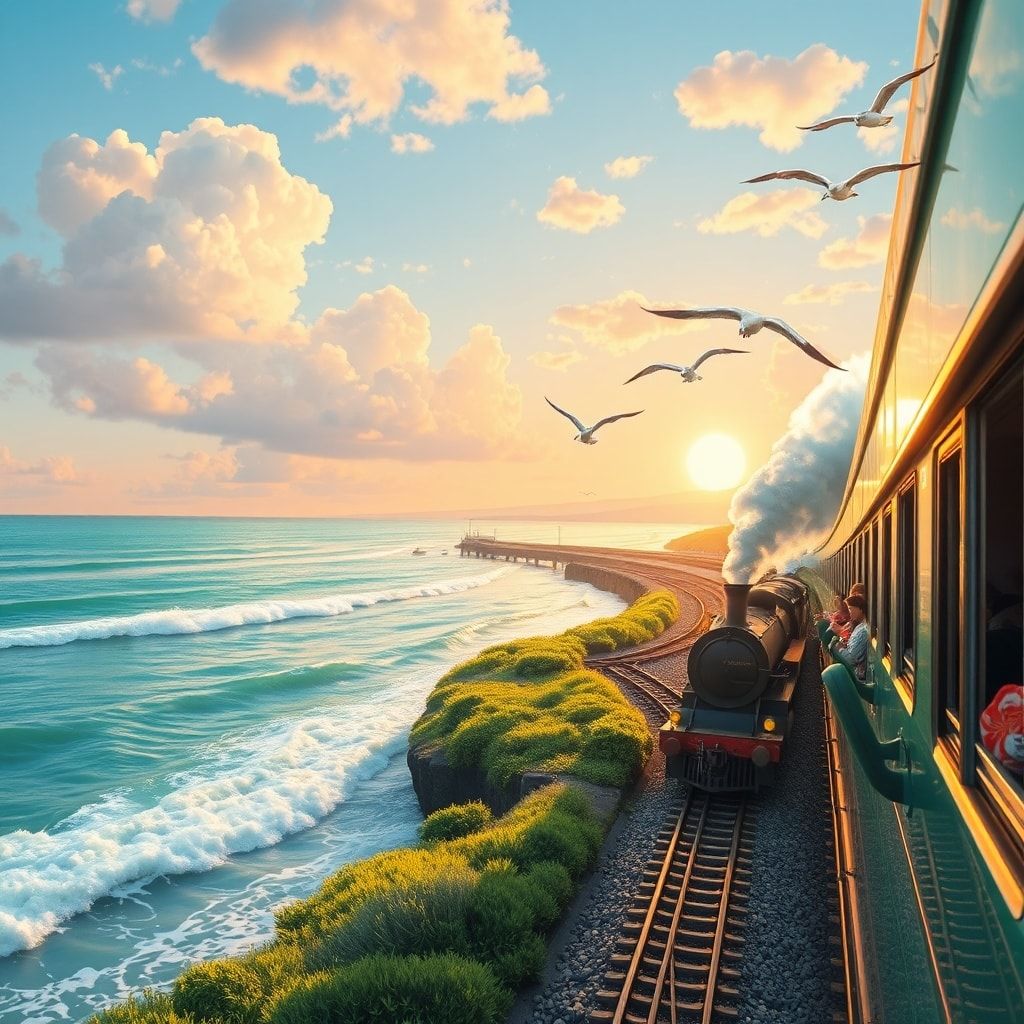
When the Coast Line first rolled out in the late 19th century, it was a colonial lifeline for tea exporters, a route that modern travelers still discover as a hidden back‑alley adventure explored by intrepid wanderers, not a tourist showcase. Over the decades, the line survived civil unrest, diesel conversion, and a wave of privatization attempts that never materialised. The modern express services—marked with asterisks in the timetable—are a nod to the old “mail trains” that once raced against time to deliver correspondence between Colombo and the southern ports.
Comparatively, Japan’s coastal routes like the Sagano Scenic Railway have been rebranded as heritage attractions, complete with vintage carriages and curated narratives. Sri Lanka’s approach is more pragmatic: it retains functional commuter service while subtly courting the wanderlust market. This duality reflects a broader South Asian trend where rail operators balance revenue from daily commuters with the lucrative, albeit seasonal, tourist influx. The evolution from freight‑focused to experience‑focused mirrors the shift in studio anime productions that once catered solely to niche otaku before expanding into mainstream streaming platforms.
Technical Crunch: Ticketing, Timetables, and Ocean‑View Mechanics
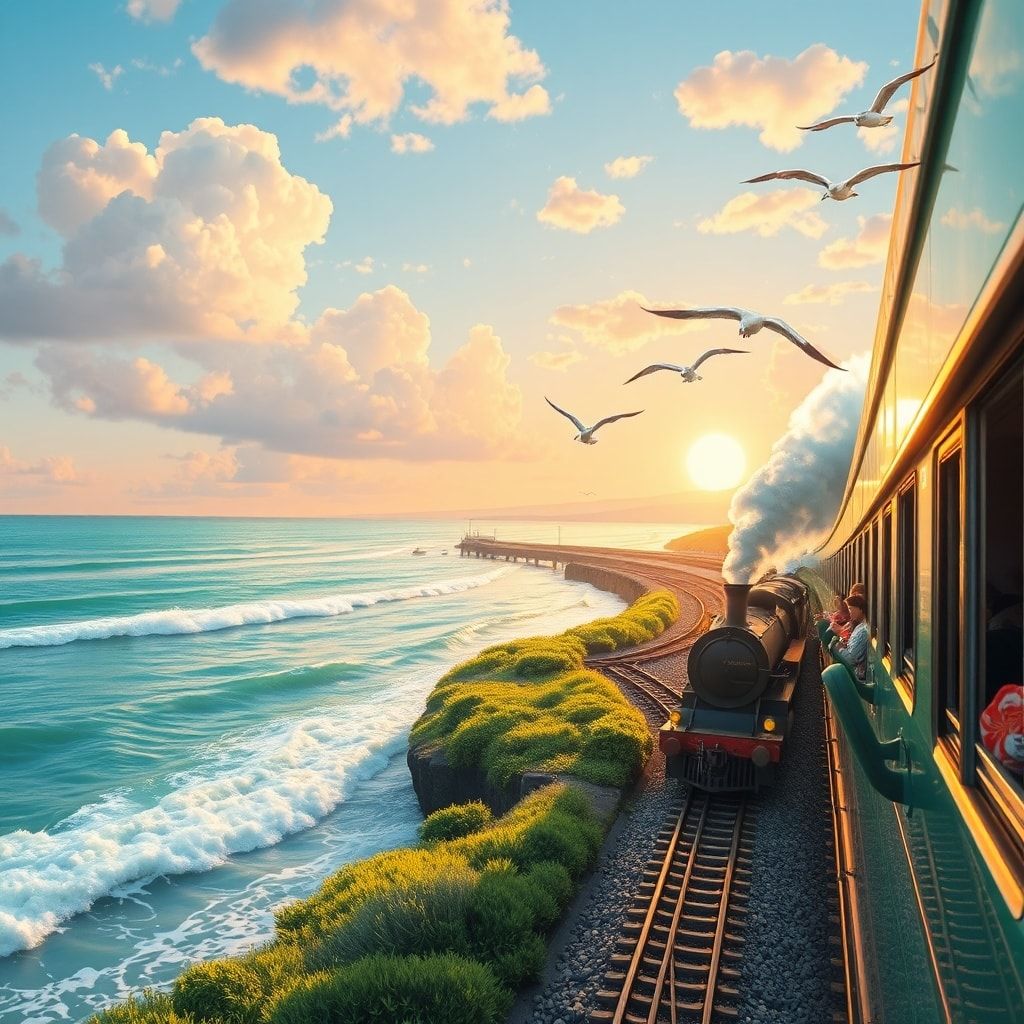
Understanding the mechanics behind the Coastal Train Sri Lanka reveals why it remains a logistical marvel. The line runs on a single‑track gauge of 5 ft 6 in, demanding precise passing loops at stations like Panadura and Kalutara to keep the express schedule tight. The 2‑hour journey covers roughly 130 km, translating to an average speed of 65 km/h—modest by high‑speed standards but impressive given the line’s curvature hugging the shoreline.
Ticketing architecture is split: the online reservation system integrates with a legacy ERP that locks seats 30 days in advance, preventing last‑minute overbooking. Unreserved tickets are issued via handheld POS devices that sync in real time, ensuring the train never exceeds its capacity. The right‑hand side of each carriage is deliberately designed with larger windows, a decision rooted in early colonial engineering to showcase the ocean for elite passengers. Modern coaches retain this feature, turning every seat into a potential Instagram backdrop. Moreover, the express services skip minor halts, shaving off 15‑20 minutes per run, a crucial factor for tourists aiming to maximise beach time in Galle.
From a passenger experience standpoint, the fare differentials align with service expectations: 3rd‑class offers bench seating and open windows, 2nd‑class adds cushioned seats and overhead fans, while 1st‑class reserves a private compartment with air‑conditioning and a panoramic view. This tiered model not only diversifies revenue streams but also democratizes the scenic journey across income brackets. For those watching their wallet, the train remains one of the most budget‑friendly ways to experience Sri Lanka’s coast as outlined in our budget adventure guide.
Future Implications of the Coastal Train Sri Lanka Experience
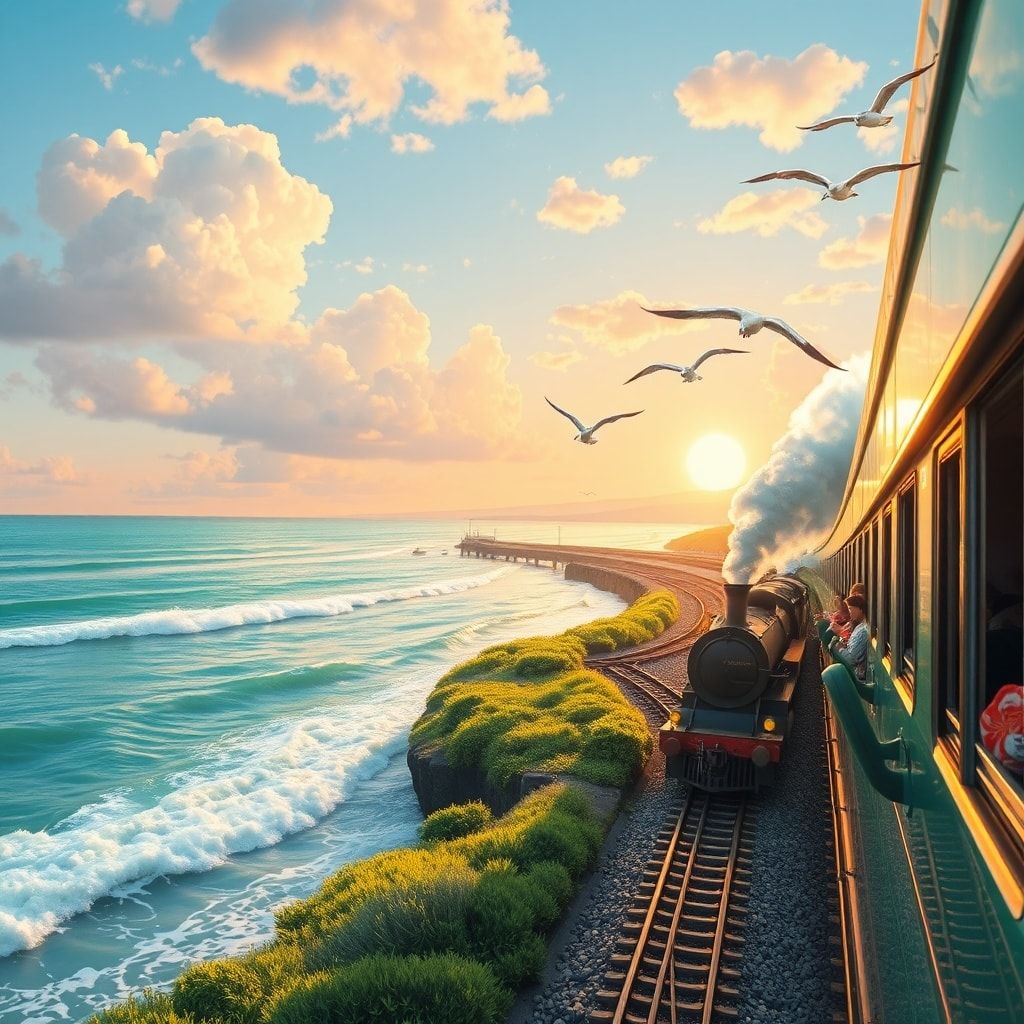
Looking ahead, the Coastal Train Sri Lanka could become a flagship model for sustainable tourism in the Indian Ocean rim. With climate‑concerned travelers seeking low‑carbon alternatives, rail offers a greener footprint than road‑based tours. The government’s recent infrastructure budget earmarks funds for track reinforcement and signal upgrades, which could shave another ten minutes off the express run and improve punctuality—a key metric for international tourists.
There’s also talk of introducing a premium “Panorama” coach equipped with floor‑to‑ceiling glass, akin to Japan’s Shinkansen “Gran Class” observation cars. Such an upgrade would justify a higher fare tier, potentially attracting luxury travel agencies and boosting foreign exchange earnings. However, any expansion must respect the line’s heritage status; over‑modernisation risks alienating local commuters who rely on affordable daily service. Balancing heritage preservation with tech‑driven enhancements will be the litmus test for Sri Railways’ strategic vision.
Listen up, green‑horns: the Coastal Train isn’t just a cheap thrill; it’s a living museum on rails that teaches you patience, perspective, and the art of timing your selfie between a wave splash and a locomotive’s hiss. If you think you can sprint to a seat on the right‑hand side without learning the Maradana boarding dance, you’ll end up staring at the back of a stranger’s head while the ocean passes you by.
And don’t even get me started on the reservation roulette. Booking a 1st‑class berth a month in advance feels like securing a spot on a space shuttle—except the launch window is a 7 am express that smells faintly of diesel and fried fish. Master the system, respect the locals, and you’ll ride the line like a seasoned otaku on a pilgrimage, not a clueless tourist clutching a guidebook.
Related Guides & Further Reading
Check out the Coastal Train Sri Lanka archives.