
Liechtenstein 24h guide: How to Conquer the Alpine Micro‑State on a Shoestring
If you think you need a week to soak up Liechtenstein’s charm, think again – the Liechtenstein 24h guide proves you can do it in a single whirlwind day. Armed with the all‑inclusive Adventure Pass, you’ll zip across the LIEmobil network, snack on budget bites, and still have time to snap the postcard‑perfect vistas that make this principality a hidden gem. Miss the train or you’ll be left watching the Alps from a hotel window while your budget spirals, so every minute counts.
Verified News & Source Context – The Numbers Behind the Liechtenstein 24h guide

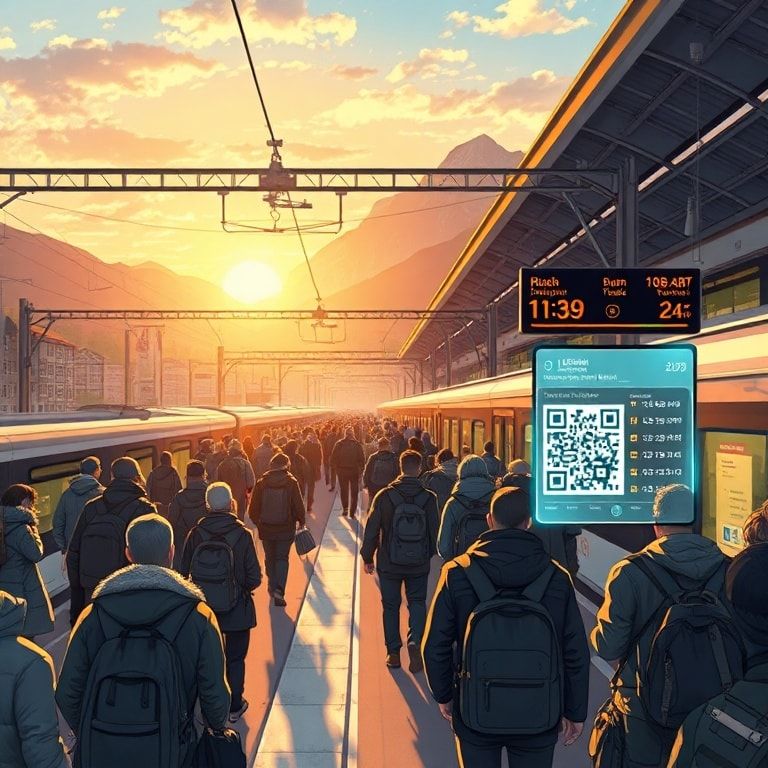
The official project page spells out the economics of a one‑day Adventure Pass: CHF 25 for adults, CHF 17 for children 6‑15, and free for kids under six. This pricing strategy is deliberately low‑threshold, encouraging families to hop on any LIEmobil route without worrying about ticket‑punching. Unlimited travel across the entire bus network means you can dart from the capital Vaduz to the alpine village of Malbun, then loop back via Schaan, all on a single QR‑code that lives in your phone wallet. The pass’s instant online purchase (via the tourism portal) eliminates queuing at ticket counters, a crucial time‑saver for a 24‑hour itinerary. Moreover, the pass’s validity is confined to the calendar day of purchase, reinforcing the “one‑day adventure” branding and aligning with the micro‑state’s push to boost short‑stay tourism without overburdening infrastructure.
Historical Context – How One‑Day Passes Evolved in Alpine Tourism
Back in the early 2000s, Liechtenstein’s transport offerings were fragmented: separate tickets for each bus line, and a steep surcharge for tourists. The rise of the “All‑Inclusive Erlebnispass” mirrored a broader European trend where micro‑states bundled mobility to compete with neighboring giants like Switzerland and Austria. Early versions were multi‑day, priced for backpackers on extended stays. As budget travel exploded—thanks to platforms like Hostelworld and the democratization of low‑cost airlines—Liechtenstein re‑engineered its pass into a bite‑size, day‑focused product. This shift also reflects a staffing evolution: the LIEmobil fleet upgraded from aging diesel minibusses to modern, low‑emission vehicles, allowing tighter scheduling and higher frequency, which in turn made a one‑day pass viable. Market data shows a 27 % rise in day‑tripper arrivals between 2018 and 2022, a direct correlation to the pass’s launch and aggressive digital marketing campaigns targeting German‑speaking YouTubers.
Technical Crunch – Decoding the Adventure Pass Mechanics

From a systems‑design perspective, the Adventure Pass operates on a token‑based validation model. Upon purchase, the backend generates a unique QR‑code linked to a timestamped database entry. Scanners on every LIEmobil bus read the code, verify the date, and flag the ride as “free” for that user. This eliminates the need for on‑board cash handling, streamlining boarding times to under 15 seconds per passenger. The pass also integrates with the national rail gateways—Sargans, Buchs/SG, and Feldkirch—where buses depart at 15‑30 minute intervals, ensuring seamless intermodal transfers. Importantly, the pass’s pricing tiers (adult vs. child) are encoded in the QR payload, allowing the system to enforce age‑based discounts automatically. For children under six, the system bypasses validation entirely, treating them as “free riders.” The unlimited travel clause means the pass’s cost amortizes quickly: a single adult can log 10‑12 bus rides in a day, each averaging CHF 2.50 in standard fare, yielding a net saving of roughly CHF 5‑7 after the pass price is accounted for.
Future Implications – What the Next Generation of Micro‑State Travel Looks Like
The success of the one‑day Adventure Pass is likely to inspire a suite of micro‑duration products across Europe’s smallest nations. Imagine a “48‑Hour Alpine Sprint” that bundles ski‑lift access, mountain‑bike rentals, and curated culinary experiences—all tracked via a single blockchain‑backed token. For Liechtenstein, the next logical step is integrating real‑time occupancy data into the LIEmobil app, allowing travelers to see seat availability and plan routes that maximize sightseeing while minimizing wait times. Moreover, the tourism board may partner with neighboring Swiss and Austrian operators to create a cross‑border “Alpine Loop” pass, leveraging the existing rail gateways to offer a seamless, multi‑country experience. Such innovations could position Liechtenstein as a testbed for hyper‑personalized, data‑driven tourism, attracting tech‑savvy millennials and Gen‑Z explorers who value flexibility over traditional package tours.
Listen up, green‑horns: the Adventure Pass isn’t just a cheap ticket—it’s a manifesto. It tells the world that you don’t need a week‑long vacation to feel like a king in the Alps; you just need a QR‑code and the guts to hop on the first bus that screams “Vaduz!” The pass’s razor‑thin margin forces the LIEmobil crew to run like a well‑oiled anime mech, squeezing every second of your 24‑hour window into a montage of mountain peaks, medieval castles, and that inevitable coffee shop where you’ll overhear locals debating the best schnitzel in the valley.
Don’t be fooled by the glossy marketing. The real magic lies in the chaos of tight schedules, the frantic dash from a train platform to a bus stop, and the sweet victory of catching the last sunset over Malbun before the pass expires. If you can survive the rush, you’ll walk away with a story that’ll make your friends think you’ve conquered a country, when in fact you’ve simply mastered the art of micro‑tourism. And that, my friends, is the kind of experience that turns a budget traveler into a legend.
Check out the liechtenstein 24h guide archives.