Why San Francisco April Adventures Beat Any Anime Convention (Budget Edition)
San Francisco April bursts onto the calendar like a neon opening theme, and our budget hub gives you a quick snapshot of wallet‑friendly options. For a full‑scale view of the whole month, check out our comprehensive San Francisco April route guide. If you think the city’s fog is just weather, you’ve missed the cultural mist that rolls in with cherry blossoms and tricycle races. Miss a single weekend and you’ll be paying for regret later, so strap in for a five‑day itinerary that even a seasoned otaku nomad would envy.
San Francisco April: Festival Frenzy on a Shoestring
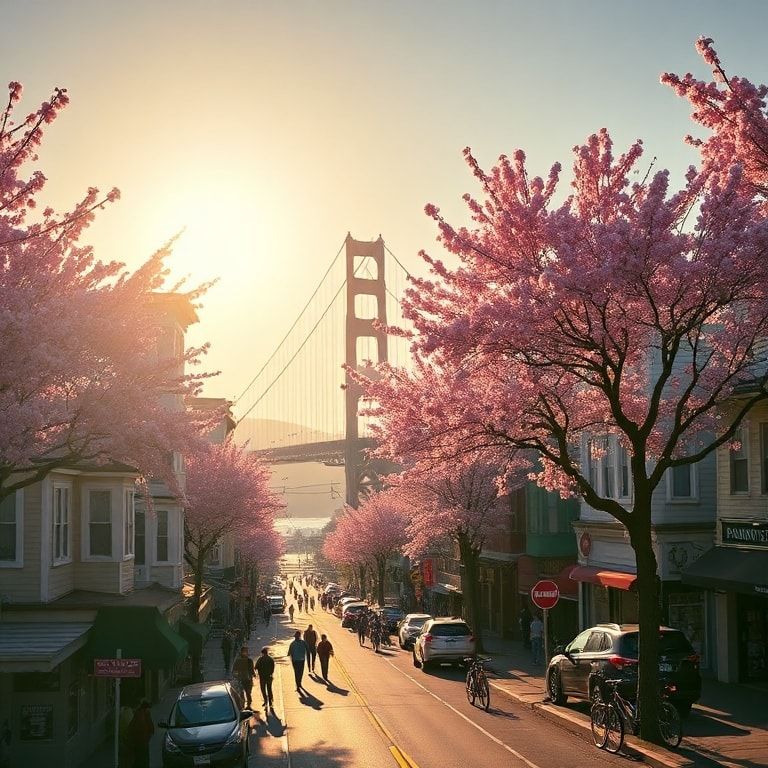
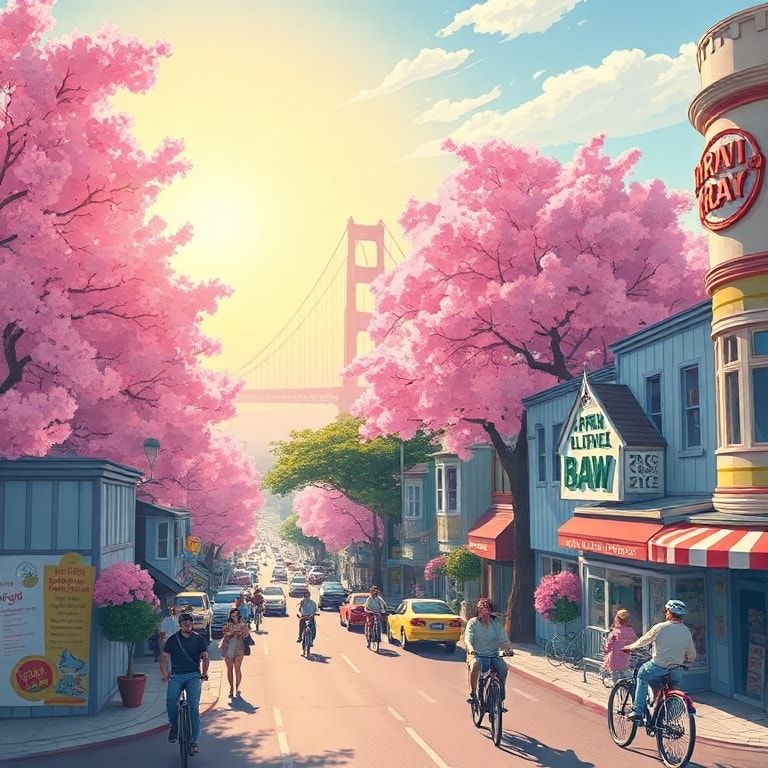
The official project page lists a jam‑packed lineup that reads like a cross‑genre anime festival. First, the Cherry Blossom Festival returns for two weekend runs (April 11‑12 and April 18‑19) in Japantown, with a free parade that snakes from Civic Center to the heart of the neighborhood. This isn’t just a flower show; it’s a cultural export that draws over 150,000 visitors, boosting local merchants and providing a perfect backdrop for street‑food photography. Next, the San Francisco International Film Festival (SFIFF) rolls out from April 24 through May 4 across multiple venues, offering ticketed screenings that showcase indie gems and Asian cinema—an essential stop for cinephiles hunting the next breakout director. Meanwhile, the International Ocean Film Festival (April 10‑12) at Fort Mason offers free admission, turning the waterfront into a giant aquarium of documentary storytelling, which aligns with the city’s eco‑tourism push. The Bring Your Own Big Wheel Race on April 5 invites daring participants to ride oversized plastic tricycles down Potrero Hill’s infamous curve—no entry fee, pure kinetic spectacle that fuels social‑media buzz. Finally, the Evergreen 4/20 Celebration on Hippie Hill (April 20) provides a free, laid‑back gathering that attracts thousands, reinforcing San Francisco’s reputation as a haven for counter‑culture. Together, these events create a layered tapestry of free and low‑cost experiences that any budget traveler can weave into a memorable itinerary.
Old Guard Perspective: How Past Spring Events Shaped the City’s Culture
Looking back a decade, the 2016 Cherry Blossom Festival was a modest affair, limited to a single weekend and a handful of food stalls. Its evolution into a two‑weekend extravaganza mirrors the broader trend of Asian cultural festivals gaining mainstream traction across the U.S., a shift driven by the rise of streaming platforms that popularized Japanese media. Similarly, the SFIFF’s origins in the early 2000s were rooted in niche art‑house screenings; today, its programming includes VR installations and cross‑border co‑productions, reflecting studios’ pivot toward immersive storytelling. The International Ocean Film Festival, once a niche gathering for marine biologists, now partners with tech giants to showcase 4K underwater footage, indicating a convergence of environmental advocacy and high‑budget production values. The Big Wheel Race, a quirky off‑beat event, echoes the 2010 “Big Bike” craze that saw cities repurposing public spaces for participatory art. Finally, the Evergreen 4/20 Celebration has its lineage in the 1970s Hippie Hill gatherings, but modern iterations incorporate live‑streamed DJ sets and legal cannabis education, illustrating how regulatory changes reshape cultural expression. Across the board, staff turnover at city event bureaus—now staffed with millennial marketers fluent in meme culture—has accelerated the adoption of digital ticketing, influencer partnerships, and data‑driven crowd management, turning what were once grassroots gatherings into polished, revenue‑generating spectacles.
Technical Crunch: Decoding the Logistics and Numbers Behind the Events
From a budget‑traveler’s perspective, the devil is in the details. The Cherry Blossom Parade draws roughly 30,000 spectators per day, but because entry is free, the primary cost is transportation—Muni’s 30‑day pass ($86) covers all routes, including the historic F‑Line streetcar that runs past the parade route. SFIFF’s ticket pricing averages $12 per screening, but a “Festival Pass” (10 screenings) drops the per‑show cost to $8, and many venues accept the Muni Pass for discounted entry. The International Ocean Film Festival’s free admission is offset by optional “Premium Experience” tickets ($15) that include Q&A sessions with filmmakers—great for networking without breaking the bank. The Big Wheel Race requires only a $5 registration for participants who want a commemorative T‑shirt; spectators can watch for free, but parking on Potrero Hill costs $3 per hour, so timing your visit to coincide with the race’s 2‑hour window saves cash. Evergreen 4/20’s free entry is offset by vendor sales; however, the city provides free Wi‑Fi zones and portable restrooms, reducing ancillary expenses. In terms of accommodation, hostels in the Mission District average $45 per night in April, while Airbnb private rooms hover around $60, allowing a five‑day stay for under $300—a perfect example of a budget‑friendly adventure. If your schedule is tighter, discover how to experience the same vibe in just one day without blowing your budget with our single‑day guide. Combining these logistics—public transit, free events, and affordable lodging—creates a cost‑effective itinerary that still feels like a high‑octane anime opening.
Future Implications: What This Spring Means for the City’s Creative Pulse
The confluence of free‑spirit festivals and high‑tech film showcases positions San Francisco as a testbed for hybrid cultural experiences. As studios experiment with AR‑enhanced screenings at SFIFF, we can expect a spillover into community events like the Cherry Blossom Parade, where augmented reality filters could allow visitors to “catch” virtual sakura petals on their phones, driving deeper engagement and new sponsorship models. The success of the free International Ocean Film Festival may inspire other municipalities to adopt similar low‑barrier programming, potentially expanding the city’s eco‑tourism brand and attracting green‑tech investors. Moreover, the Big Wheel Race’s viral potential on platforms like TikTok could catalyze a series of participatory “micro‑festivals” that blend physical stunts with digital storytelling, a trend already visible in the rise of “virtual cosplay runs.” For budget travelers, these innovations promise richer experiences without proportional price hikes, reinforcing San Francisco’s reputation as a city where culture is both accessible and cutting‑edge. In the long term, the city’s ability to fuse grassroots authenticity with polished production may set a template for other global hubs seeking to revitalize their spring calendars.
Listen up, green‑horns: you think you can waltz through San Francisco’s April lineup with a backpack and a ramen cup? The city’s festivals are a double‑edged katana—glittering on the surface but razor‑sharp underneath. If you ignore the transit hacks, you’ll end up paying for a Uber ride that costs more than a night in a capsule hotel, and that’s a rookie mistake even a seasoned otaku nomad like me won’t tolerate.
Pro tip from the veteran’s log: sync your Muni pass with the parade schedule, grab a free Ocean Film screening before the sun sets, and use the Big Wheel Race as a free cardio session—no gym membership required. Trust the grind, respect the city’s rhythm, and you’ll walk away with more than just souvenir photos—you’ll have stories that make your Discord server jealous.
Related Guides & Further Reading
Related Guides & Further Reading
Check out the San Francisco archives.
Check out the San Francisco archives.