Sukuna Power Scale: Why the King of Curses Dwarfs Every Shonen Villain
When the King of Curses steps onto the battlefield, the very fabric of shonen power rankings trembles. The Sukuna power scale isn’t just a fan‑made metric; it’s a litmus test for any villain daring to claim supremacy. In this deep dive we’ll measure his cursed might against the pantheon of shonen’s most terrifying antagonists.
1. Sukuna’s Canonical Introduction & Recent Power Ups
First appearance and the “King of All Curses” concept
Ryomen Sukuna first slithered onto manga pages in Jujutsu Kaisen #1 (2018), instantly branding himself as the “King of All Curses.”
His existence is literally fragmented into twenty mummified fingers, each a Special‑Grade cursed object that can turn a novice sorcerer into a god‑like threat. The narrative has meticulously tracked his re‑emergence, culminating in his latest showcase in chapter 30 (2024), a six‑year arc that has expanded his arsenal dramatically.
Recent techniques (2024 arc)
New techniques illustrate a deliberate power‑up strategy, keeping him ahead of any shonen antagonist:
- Ten Shadows (Ch 212)
- The World Cutting Slash (Ch 236)
- Cursed tool Kamutoke (Ch 237)
Moreover, his Grade‑1 Domain, Malevolent Shrine, sits at the apex of cursed‑technique classification—a tier most villains never even approach. This evolution isn’t just fan service; it reflects Gege Akutami’s intent to cement Sukuna as a benchmark for future antagonists. For primary source verification, see the official project page.
2. Comparing Sukuna to Traditional Shonen Villains
Legacy antagonists and their benchmarks
To gauge Sukuna’s place, we must compare him to the villains that defined the shonen era. In the early 2000s, antagonists like Madara Uchiha (Naruto) and Aizen Sosuke (Bleach) set the bar for strategic brilliance and raw power.
| Villain | Series | Notable Ability | Relative Standing vs Sukuna |
|---|---|---|---|
| Madara Uchiha | Naruto | Rinnegan, Infinite Tsukuyomi | Power comparable, but lacks Sukuna’s Grade‑1 Domain |
| Sosuke Aizen | Bleach | Hollowfication, Kyouka Suigetsu | Strategic genius, still below Sukuna’s cursed‑energy reserves |
| Various heroes/antagonists (e.g., My Hero Academia) | My Hero Academia | Advanced Quirk barriers | Cannot nullify Sukuna’s Domain Expansion |
Production, visual style, and industry trends
Studios such as Studio Pierrot and Madhouse cultivated a visual language that emphasized sprawling battles and moral ambiguity. When Jujutsu Kaisen debuted, MAPPA inherited this lineage but injected a darker, curse‑centric aesthetic, shifting from flamboyant energy attacks to a more visceral, horror‑infused combat style.
Staff turnover—most notably the addition of seasoned art director Takahiro Kishida—brought a refined focus on cursed‑energy visualization, distinguishing Sukuna’s malevolent aura from earlier villains’ flamboyance.
Market trends also played a role: the rise of streaming platforms demanded quicker power escalations, prompting Akutami to introduce new techniques at a breakneck pace, a stark contrast to the slower, episodic reveals of the 1990s.
3. Breakdown of Sukuna’s Power Mechanics
From a mechanics standpoint, Sukuna’s power is quantified through several layers:
- Infinite cursed‑energy reserves: each finger houses a fraction of his original might, allowing regeneration or amplification without visible fatigue.
- Ten Shadows technique: grants him autonomous combatants, each with independent cursed energy, effectively turning him into a one‑man army.
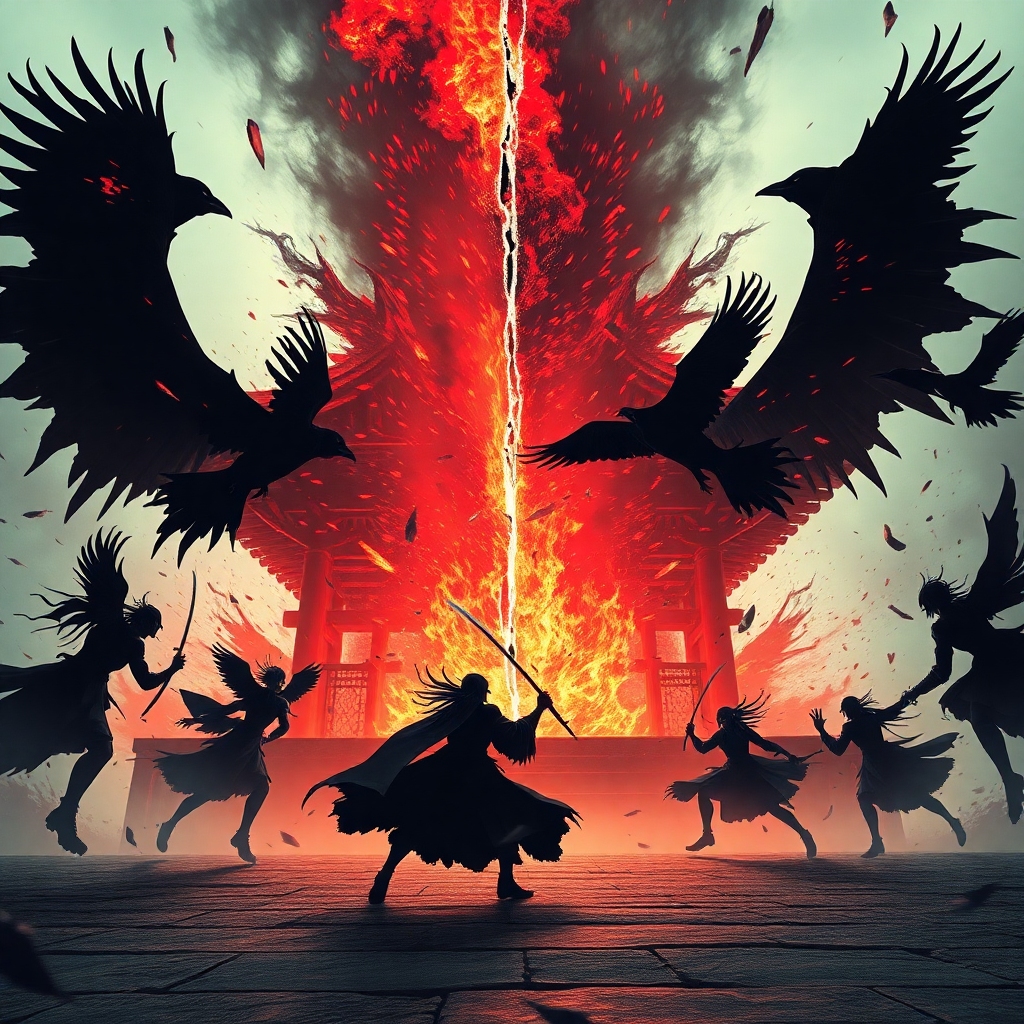
- Domain Expansion – Malevolent Shrine (Grade‑1): can nullify any defensive technique within its radius, dwarfing even the most potent barriers seen in series like My Hero Academia.
- Distinct visual palette: MAPPA’s animation team uses deep indigos and sickly greens to separate Sukuna’s aura from other characters, reinforcing his otherworldly status.
- Narrative dual‑protagonist dynamic: Sukuna’s intermittent possession of Yuji Itadori lets the story explore power usage from both mortal and god‑like perspectives.
4. Future Trajectories for Sukuna and the Franchise
Potential narrative developments
The trajectory of Sukuna’s arc hints at broader franchise possibilities. With the manga now entering its climactic phases, we can anticipate a full‑scale war where Sukuna’s fragmented fingers might be reassembled, unlocking a power tier that could eclipse even the series’ own protagonists.
Such a development would not only raise the stakes for Yuji but also open doors for spin‑offs focusing on the origins of cursed techniques, a trend similar to the “Shibuya Incident” arc’s expansion into light novels.
Adaptation considerations
From an adaptation standpoint, the anime’s upcoming seasons will need to balance pacing with the introduction of new techniques like Ten Shadows, ensuring that the audience isn’t overwhelmed while preserving the shock value that made Sukuna a cultural meme.
Failure to do so could dilute his menace, risking a backlash from the veteran otaku community that prizes consistency.
Listen up, fresh‑blood readers: the moment you start treating Sukuna as just another over‑powered boss, you’ll miss the nuance that makes him a true legend. He’s not merely a power dump; he’s a narrative catalyst that forces every hero to confront their own limits, and that’s a lesson many shonen series still haven’t mastered.
Don’t be fooled by the flash‑in‑the‑pan hype of newer villains. Sukuna’s blend of ancient mythos, modern cursed‑energy mechanics, and relentless adaptability sets a benchmark that will haunt the genre for years. If the next big shonen antagonist can’t make you question whether the hero’s moral compass is even worth the fight, then you’ve already lost the battle.
Check out the Sukuna archives.