Surviving the Sagrada: The No‑Nonsense Barcelona Budget Guide for Backpackers
If you think Barcelona is a playground only for the deep‑pocketed, think again – the city’s pulse can be felt on a shoestring if you know the shortcuts. Our complete Barcelona budget hub guide strips away the tourist fluff and hands you the exact transport tickets, hostel hacks, and meal tricks that keep your wallet breathing. Miss a single tip and you might end up paying double for a metro ride or a nightcap you never needed, and nobody wants that kind of drama on a six‑day trek.
Verified News & Source Context: The Hola Card and Aerobus Unpacked
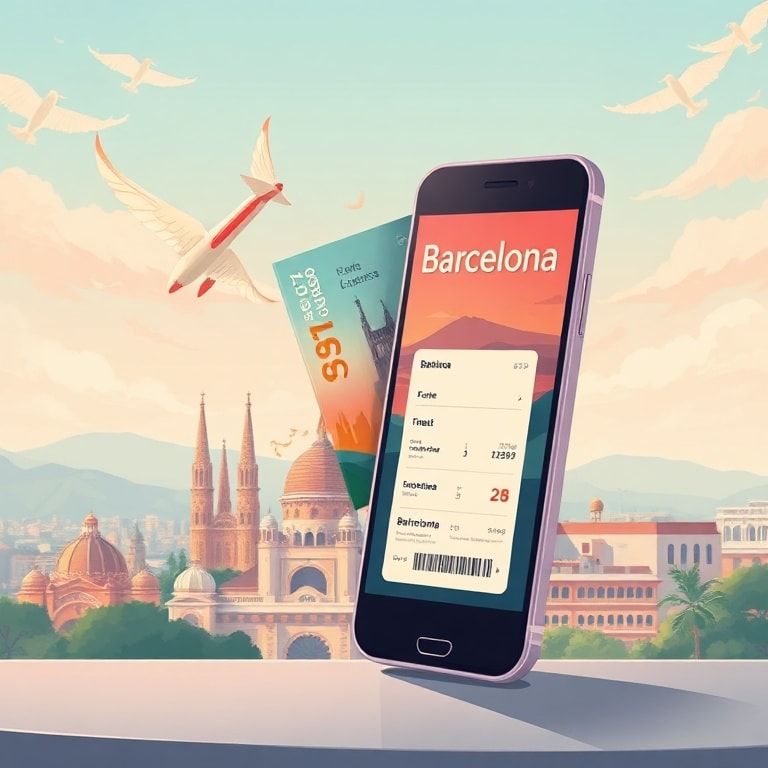
The latest data from the Barcelona tourism board confirms that the Hola Barcelona Travel Card – 48 hours – now sells for a discounted €17.77, a modest dip from the regular €18.70. This card grants unlimited rides across every integrated public‑transport mode in Zone 1: metro lines L1‑L5, city buses, trams, RENFE Cercanías, FGC, and even the Montjuïc funicular. For a backpacker, this means you can hop from the Gothic Quarter to the beach, then up to Park Güell without worrying about individual ticket costs.
Why does this matter? Zone 1 covers the entire metropolitan area, so the Hola Card eliminates the need to purchase separate tickets for each leg of your journey, shaving off both time and cash. The voucher’s 180‑day validity and the card’s usage window extending to the end of February the following year give travelers the flexibility to buy the pass well in advance, a boon for those who book flights months ahead.
On the other side of the airport, the Aerobus shuttle remains a reliable bridge between El Prat and the city centre. A single ticket costs €7.45, while a return ticket is €12.85 – a small price for 24‑hour service that runs every 5 minutes during peak hours and every 20 minutes overnight. The tickets stay valid for 90 days, allowing you to purchase them on the flight home and use them on your final day without a scramble.
All these details are confirmed on the official project page, which provides up‑to‑date pricing, zone maps, and usage policies. Understanding these nuances transforms a vague “buy a ticket” mindset into a strategic budgeting play, ensuring every euro stretches across your six‑day itinerary.
Historical Context (Old Guard Perspective): From Paper Guides to Digital Cards
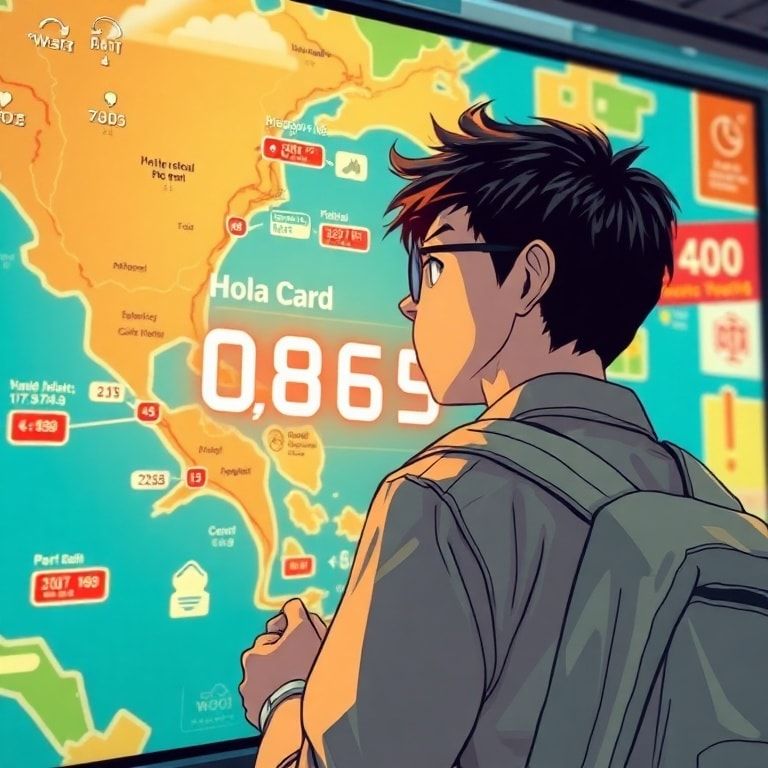
Back in the early 2000s, backpackers relied on thick, dog‑eared guidebooks that listed every bus line, tram schedule, and the occasional “cheapest hostel” recommendation. Those tomes were static; any price change meant buying a new edition or scribbling corrections in the margins. The shift began when Barcelona introduced the T‑MB integrated ticket system, but even then, travelers still bought paper tickets at kiosks, often paying a premium for convenience.
The arrival of the Hola Card in 2015 marked a turning point. It bundled unlimited travel into a single, time‑bound product, mirroring the all‑inclusive passes popular in other European capitals. Yet, the card’s early adoption was hampered by limited online sales and a lack of multilingual support, keeping the old guard of guidebook‑dependent travelers skeptical.
Fast forward to today’s digital ecosystem: the card can be purchased online, the voucher stored on a phone, and real‑time updates pushed via the official app. This evolution mirrors the anime industry’s own transition from hand‑drawn cel animation to fully digital pipelines – the core experience remains, but the delivery is faster, cheaper, and more adaptable. For the modern backpacker, the historical baggage of paper tickets is a relic, replaced by sleek, data‑driven tools that align perfectly with the budget‑first mindset.
Technical Crunch: How the Hola Card Saves You Money
Let’s break down the math. A single metro ride in Zone 1 costs €2.40. A typical backpacker might take 4‑5 rides per day to explore neighborhoods, museums, and beaches. Over six days, that’s roughly 30 rides, amounting to €72 if bought individually. The 48‑hour Hola Card at €17.77 covers two full days of unlimited travel, saving up to €24 per card compared to single tickets. For a broader view of a 6‑day itinerary, see our companion guide that maps out daily transport costs. Purchasing two consecutive 48‑hour cards (total €35.54) covers four days, leaving just two days where single tickets might be needed – a marginal €4.80 extra.
Adding the Aerobus into the equation, a round‑trip airport transfer for €12.85 replaces the typical taxi fare of €30‑€35. Combine the two‑card strategy with the Aerobus return ticket, and the total transport cost for the entire trip drops to under €50, a 30% reduction compared to a piecemeal approach.
Beyond raw numbers, the Hola Card’s zone‑wide validity eliminates the mental load of tracking which line requires which ticket. This cognitive saving translates into less time queuing and more time exploring. Moreover, the card’s 180‑day voucher validity means you can buy it as soon as you lock in your flight dates, lock in the price, and avoid any future fare hikes – a hedge against inflation that seasoned travelers appreciate.
Future Implications: What’s Next for Budget Travelers in Barcelona
Looking ahead, Barcelona’s transport authority is piloting contactless NFC cards that integrate with bike‑share and scooter services, promising a truly multimodal pass. If the Hola Card’s success is any indicator, future passes could bundle accommodation discounts, museum entry, and even food vouchers, creating an all‑in‑one budget ecosystem. Such integration would further diminish the need for separate bookings, streamlining the backpacker experience and potentially driving down overall tourism costs through bulk agreements.
However, this evolution also poses risks. Over‑bundling could lead to “one‑size‑fits‑all” pricing that penalizes travelers who deviate from the typical itinerary, such as night‑owls heading to late‑night tapas bars outside Zone 1. The market will need to balance flexibility with convenience, perhaps by offering modular add‑ons rather than a monolithic pass. If you’re flexible with timing, travelling in November can shave even more euros off your bill – see why November beats summer in our seasonal budget playbook.
Listen up, green‑horns: the moment you think you’ve cracked the Barcelona code is the exact second you forget to factor in the hidden fees – the little “service charge” that pops up when you buy a Hola Card at the airport kiosk. Trust me, those extra euros add up faster than a shonen protagonist’s power‑level, and they’ll eat into your ramen budget faster than a hungry anime cat.
My two‑decade‑long trek across Europe taught me that the real magic isn’t in the glossy brochures; it’s in the gritty details – the 48‑hour window that starts the second you swipe, the 90‑day Aerobus ticket that lets you sleep in on your departure day, and the fact that Zone 1 covers everything you’ll actually want to see. Miss any of those, and you’ll be scrambling for change on La Rambla while the sun sets on your savings. So, lock those vouchers early, respect the time limits, and you’ll keep your wallet as full as your Instagram feed.
Related Guides & Further Reading
Check out the Barcelona budget guide archives.