Surviving the Skyscrapers: The Ultimate Kuala Lumpur Budget Guide for the $30-a-Day Nomad
Ever wondered how to stretch a single US dollar into a full day of KL thrills without selling a kidney? The Kuala Lumpur budget guide is your passport to a city that dazzles, yet can be tamed on a shoestring. In this deep‑dive, we’ll crack the MyCity pass system, compare it to its ancestors, and forecast what the next wave of transit magic means for the perpetual wanderer.
If you’re planning a five‑day stint and want to see how RM200 can stretch without regrets, check out our budget‑hack guide for a detailed day‑by‑day breakdown.
Kuala Lumpur budget guide: Decoding the MyCity Pass System
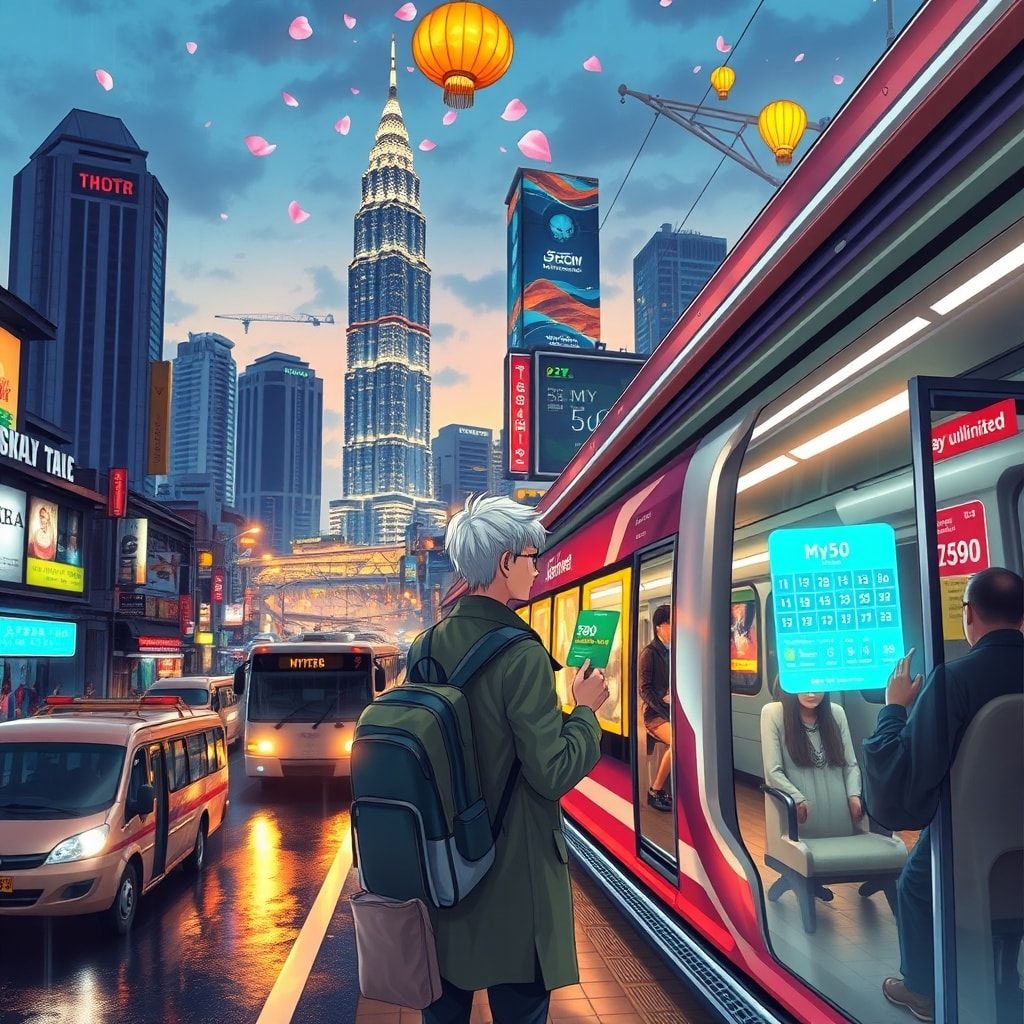
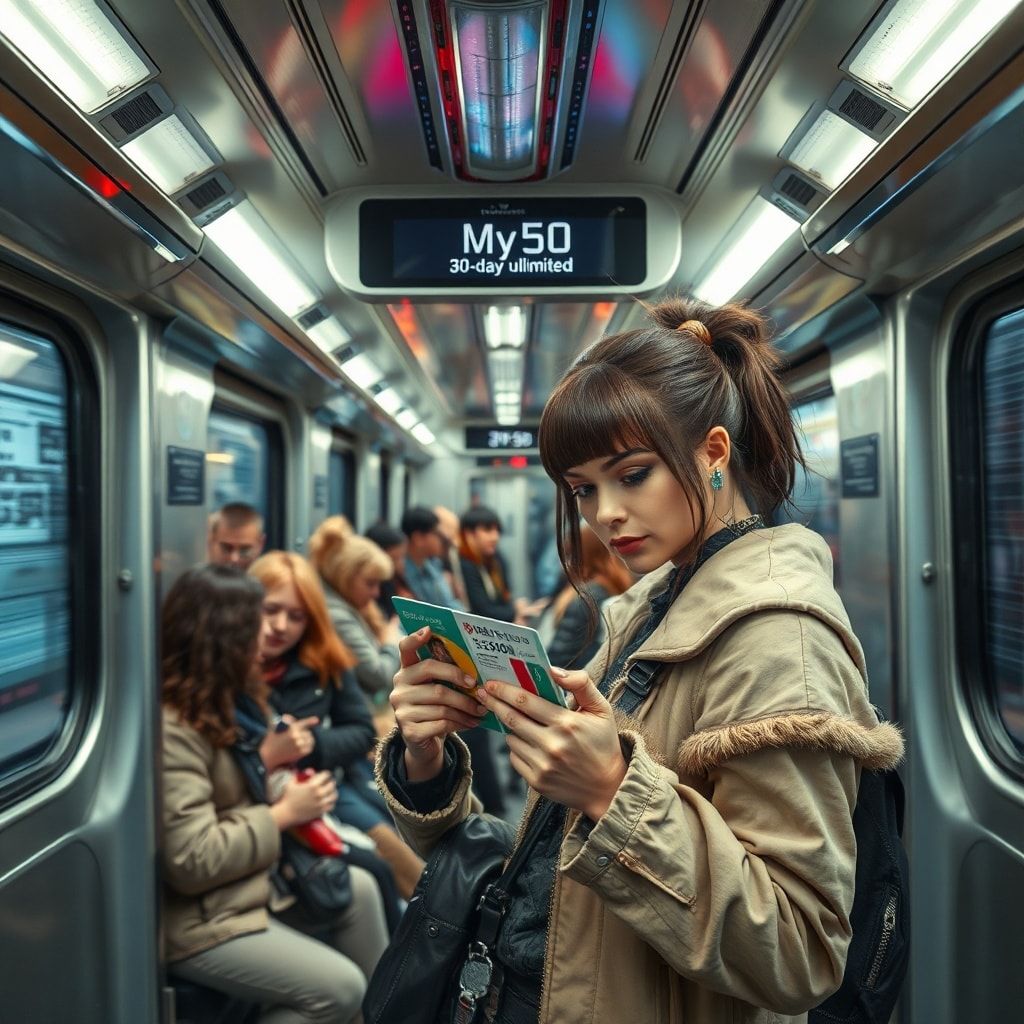
First, let’s unpack the numbers that make the MyCity ecosystem the backbone of any low‑budget itinerary. The MyCity 1‑Day Pass, priced at RM15 (roughly $3.30), bundles a RM5 stored‑value credit, meaning you can hop on any Rapid KL rail line—LRT, MRT, Monorail, BRT—and the extensive bus network without worrying about exact change. This is a game‑changer for spontaneous explorers who hate queuing for tokens. The 3‑Day Pass ups the ante at RM25, but it tacks on a generous RM20 credit, effectively slashing per‑ride costs to pennies when you factor in the unlimited rides. For the month‑long drifter, the My50 Unlimited Travel Pass at RM50 (about $11) grants 30 consecutive days of freedom, a bargain that rivals European city cards.
Why does this matter? Rapid KL’s integrated fare table, accessible via the official project page, shows a single‑journey token starting at RM1.20 for the shortest hop. Multiply that by a typical 8‑trip day and you’re staring at RM9.60—nearly double the cost of a 1‑Day Pass. Moreover, the network runs from 06:00 am to midnight with peak frequencies of 3‑5 minutes, meaning you waste less time waiting and more time soaking in street art, night markets, and the occasional rooftop bar. In short, the pass isn’t just a ticket; it’s a strategic lever that turns a $30 daily budget into a realistic, enjoyable experience.
Old Guard Perspective: How Past Transit Deals Shaped Today’s Budget Travel
To appreciate the sleek MyCity system, we must glance back at the era of paper tickets and fragmented fare zones. In the late 1990s, Kuala Lumpur’s public transport was a patchwork of privately operated buses, a fledgling LRT line, and the iconic Monorail that debuted in 2003. Travelers often juggled cash, tokens, and the occasional “travel card” that only covered a single line. This fragmentation inflated costs and discouraged tourists from venturing beyond the city centre.
The shift began when Prasarana took the helm, consolidating services under the Rapid KL brand. The introduction of stored‑value cards like Touch ‘n Go in the early 2000s paved the way for integrated fare structures. Studios and developers took note, embedding these transit experiences into games and anime set in futuristic Asian megacities, where a single card unlocks an entire urban tapestry. The MyCity passes are the logical evolution of that legacy—offering simplicity, transparency, and a clear value proposition that resonates with both locals and the global backpacker community.
Technical Crunch: Numbers, Frequencies, and the Real Cost of Getting Around
Let’s get granular. The base fare table shows a minimum fare of RM1.20, scaling up with distance at increments of roughly RM0.30 per additional kilometer. A typical commuter route from KL Sentral to Batu Caves (≈15 km) costs RM4.40 per ride. If you were to purchase a 1‑Day Pass and use it for four round‑trips, you’d spend RM15 versus RM35 in cash—a 57% saving.
Backpackers looking for a step‑by‑step cost‑saving strategy will also enjoy our money‑saving playbook, which dives deeper into day‑by‑day budgeting.
Frequency matters too. During peak hours (07:00‑09:00, 17:00‑19:00), trains arrive every 3 minutes on the MRT Sungai Buloh‑Kajang line, while off‑peak intervals stretch to 7‑8 minutes. This reliability reduces “dead time”—the minutes you’d otherwise spend waiting at stations. For a traveler on a $30 daily budget, time is as valuable as money; each saved minute can be swapped for a street‑food bite or a quick museum visit. Moreover, the unlimited passes eliminate the mental load of calculating fares, allowing you to focus on route optimization: hop from the monorail to the LRT to the BRT in a seamless loop, maximizing coverage of attractions like the KL Tower, Chinatown, and the hidden gems of Brickfields.
Future Implications: What the Next Generation of Passes Means for Backpackers
The horizon looks bright for budget travelers. Rapid KL has hinted at integrating contactless mobile payments and AI‑driven route suggestions into the MyCity ecosystem. Imagine a dynamic pass that adjusts its credit allocation based on real‑time traffic, offering discounts during low‑demand periods—effectively turning your RM50 into a variable‑price ticket that could stretch to RM70 in value during off‑peak nights.
Such innovations could ripple into the broader tourism industry. Hotels and hostels may bundle these smart passes into their “stay‑and‑explore” packages, while travel influencers (yes, that includes me) could negotiate affiliate deals that reward followers with discounted passes. The cultural impact is also noteworthy: as more travelers adopt these seamless systems, the city’s perception shifts from a chaotic traffic nightmare to a model of efficient, affordable urban mobility—an image that will attract even more budget‑conscious tourists.
Listen, kid, you think a RM15 card is cheap? In my two‑decades of hopping trains from Osaka to Osaka‑Kobe, I’ve seen cities charge you an arm and a leg for a single ride, then pat you on the back with a “tourist discount” that’s really just a rip‑off. Kuala Lumpur’s MyCity passes are a breath of fresh air, but don’t get complacent. The moment the government decides to add a “tourist surcharge” or a “green tax” to fund new maglev projects, your $30 a day will evaporate faster than a bowl of laksa in a hurricane. Keep an eye on the news, and always have a backup cash stash for those surprise price hikes.
And another thing—don’t let the sleek UI lull you into thinking you’re a futuristic cyber‑traveler. The real magic is in the street‑level hustle: the hawkers shouting “Roti Canai!” at 3 am, the night market that opens only after the last train, the hidden alleyways that no app will ever map. Use the pass to get you there, then ditch the tech and soak in the chaos. That’s where the true budget adventure lives, and that’s the stuff that turns a cheap trip into a legend you’ll brag about at the next izakaya.
Related Guides & Further Reading
Check out the Kuala Lumpur budget guide archives.