Why Dorohedoro animation’s CGI‑2D Hybrid Is Redefining Dark Anime in Season 2
The moment the second cour of Dorohedoro dropped, fans immediately sensed something different humming beneath the grime‑soaked streets of Hole. If you’re tracking how this fits into the larger landscape of shadowy series, our darkest‑anime guide offers a deep dive.
Season 2 Announcement: CGI‑2D Hybrid Production Details
Season 2 of Dorohedoro officially announced its use of a CGI‑2D hybrid pipeline, a decision shepherded by 3DCG Director 野本郁紀. This isn’t a gimmick; it’s a strategic response to the series’ visual demands—massive, grotesque transformations and fluid fight choreography that would cripple a pure 2D workflow.
Studio MAPPA & Director 林祐一郎
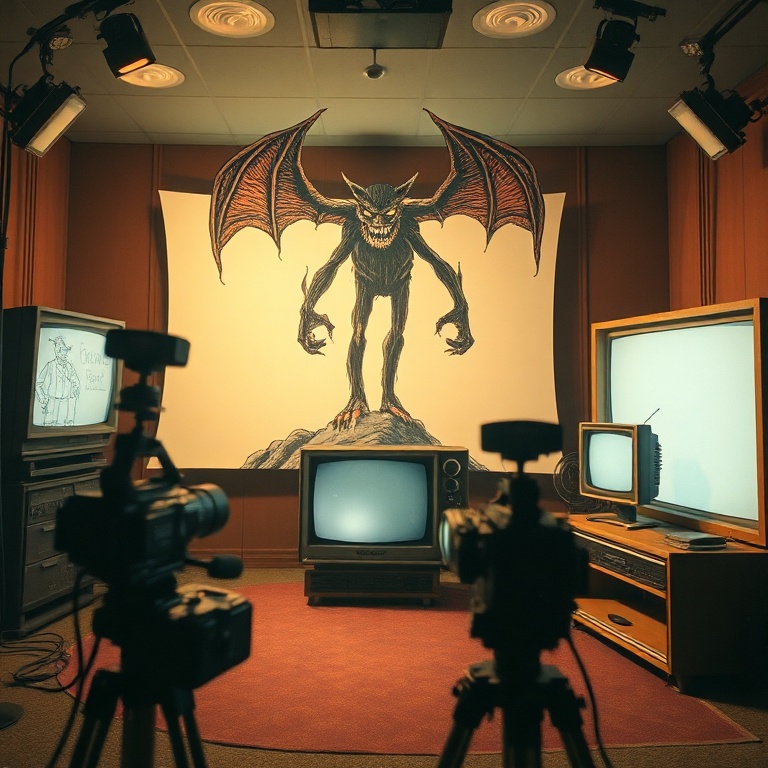
MAPPA, the studio behind juggernauts like Jujutsu Kaisen and Zombie Land Saga, took the reins, bringing its seasoned pipeline and a willingness to experiment beyond the conventional anime aesthetic. Both seasons share the directorial vision of 林祐一郎, whose consistent tone ensures the hybrid doesn’t feel disjointed but rather an evolution of his established world‑building.
Manga Origin & Opening Theme
The original manga, penned by Q Hayashida, ran from 2000 to 2018 across 23 tankōbon volumes, cultivating a cult following that demanded fidelity to its chaotic, visceral art style. By integrating CGI for complex transformations—think Caiman’s lizard skin shedding—while preserving hand‑drawn backgrounds and character expressions, the production team honors the source material’s raw energy.
The opening theme, performed by (K)NoW_NAME and titled “ゼッタイMUST断面”, further cements the season’s hybrid identity, marrying electronic beats with distorted vocal textures that echo the visual blend. For more official details, visit the official project page.
Technical Evolution of Dark Anime Adaptations
When you look back at dark, adult‑oriented anime adaptations—think Berserk (1997), Elfen Lied (2004), or even the early 2010s’ Hellsing Ultimate—you notice a pattern, a trend highlighted in our blood‑stained countdown of the darkest anime. Studios either cling to pure 2D to preserve atmosphere or gamble on full CGI, often alienating purists.
From Limited 2D to Full CGI
In the ’90s, budget constraints forced studios to rely on limited animation cycles, resulting in static, moody frames that unintentionally amplified dread. By the 2010s, the rise of high‑budget CGI in series like Attack on Titan (Season 3) showed that digital tools could enhance, not replace, hand‑drawn artistry.
Dorohedoro’s hybrid approach mirrors the evolution seen in Western animation, where Pixar’s “Toy Story” sparked a wave of CGI‑dominant productions, yet studios like Studio Ghibli persisted with hand‑drawn charm. MAPPA’s hybrid is a Japanese answer to that dichotomy: it respects the tactile, gritty line work that fans love while leveraging CGI’s capacity for fluid, physics‑based motion. This reflects a broader market shift where audiences demand both visual fidelity and narrative depth, forcing studios to innovate or risk obsolescence.
Inside Dorohedoro’s CGI‑2D Hybrid Pipeline
Key Animation and Rigging
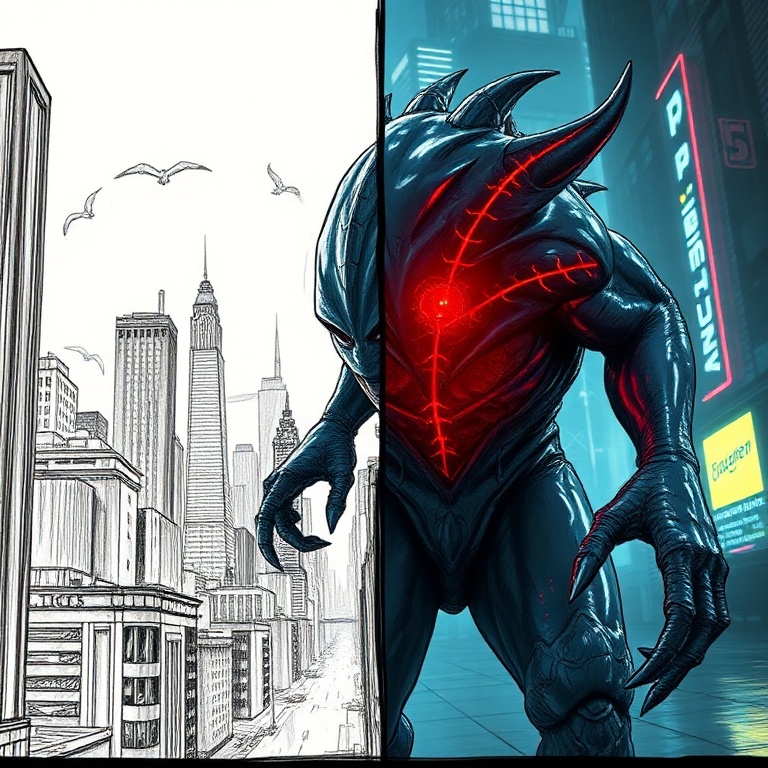
The hybrid pipeline begins with traditional key‑animation: storyboard artists sketch the core poses, timing, and emotional beats. These drawings are then scanned and fed into a proprietary rigging system where 3DCG models, built under 野本郁紀’s supervision, inherit the line‑work’s timing curves. This ensures that a CG‑generated lizard transformation follows the exact beat of the original hand‑drawn arc, preserving the manga’s kinetic feel.
Cel Shading, Lighting, and Compositing
Texture artists overlay hand‑painted cel shading onto the CG meshes, creating a “toon‑shaded” look that mimics ink on paper while still allowing for realistic lighting and depth cues. The lighting rigs are calibrated to match the series’ low‑key, industrial aesthetic—think flickering street lamps, oily reflections on puddles, and the omnipresent haze of Hole’s smog.
By compositing the CG elements over hand‑drawn backgrounds, MAPPA achieves a seamless integration where the audience can’t easily tell where one medium ends and the other begins.
Production Benefits
Why does this matter?
- It slashes production time for complex sequences—what would take weeks of hand‑drawn frames can be rendered in days without sacrificing motion fluidity.
- It opens creative doors: directors can now choreograph battles with full 3D camera moves, rotating around characters in ways impossible with static cel layers.
- It future‑proofs the series; the same CG assets can be repurposed for potential games, VR experiences, or even a third season, maximizing ROI.
Potential Industry and Franchise Impact of Season 2
Industry Ripple Effects
Season 2’s hybrid success could ripple through the anime industry, encouraging more studios to adopt similar pipelines for high‑intensity, adult‑oriented titles. The stakes echo those explored in our deep dive on Texhnolyze, where the balance between atmosphere and technology defined the series’ legacy.
Franchise Asset Opportunities
From a franchise standpoint, MAPPA now holds a versatile asset library: CG rigs of Caiman, Nikaido, and the myriad mutated creatures. This not only reduces future production costs but also paves the way for spin‑offs, video games, or even a cinematic release that can leverage the same models for higher‑resolution rendering. However, the gamble remains—if the hybrid feels too “plastic” to longtime fans, backlash could force a re‑version to traditional methods, jeopardizing any planned expansions.
Insider Perspective
Listen, kid, I’ve watched studios swing from hand‑drawn to full‑blown CGI like a drunk on a seesaw, and most of them end up with a sore neck and a broken fanbase. MAPPA’s hybrid is a calculated risk, not a reckless stunt; they’ve kept the soul of Hayashida’s world while giving the animators a power‑tool to actually move those cursed lizards without choking on their own smoke.
But don’t get cocky. The moment the novelty wears off, the audience will sniff out any slip‑up—stiff CG faces, mismatched lighting, or that dreaded “uncanny valley” creep. If MAPPA can keep the grit gritty and the motion smooth, they’ll set a new benchmark. If not, they’ll be another footnote in the endless saga of studios that tried to be both old‑school and next‑gen and ended up nowhere.
Related Guides & Further Reading
Check out the Dorohedoro archives.