The 10 Darkest Anime Series Ever Ranked – A Blood‑Stained Countdown
When the night grows thick with dread, only the darkest anime can make your skin crawl and your heart pound. This list isn’t a gentle stroll through melancholy; it’s a plunge into the abyss where every frame bleeds with terror. Buckle up, because missing this guide means you’ll stay forever in the safe‑zone of fluffy shōnen fluff. If you’re mapping your next binge, our anime hub offers a full route map across every genre. For a deeper dive, check out our ultimate darkest‑anime hub.
Verified News & Source Context
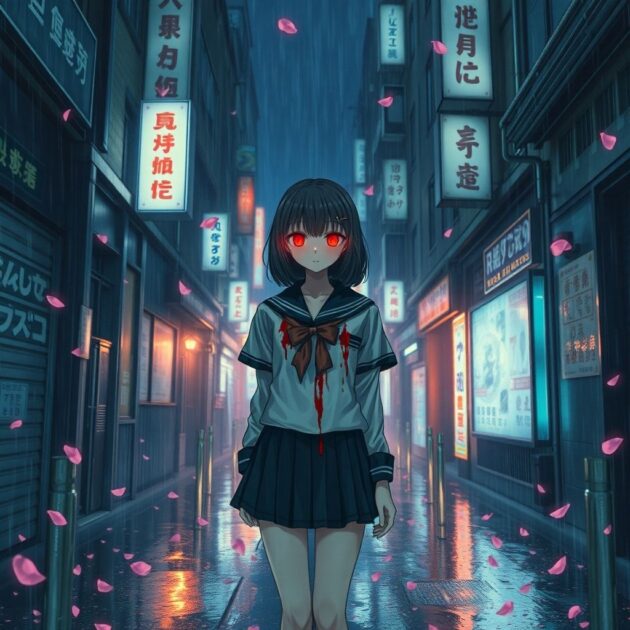
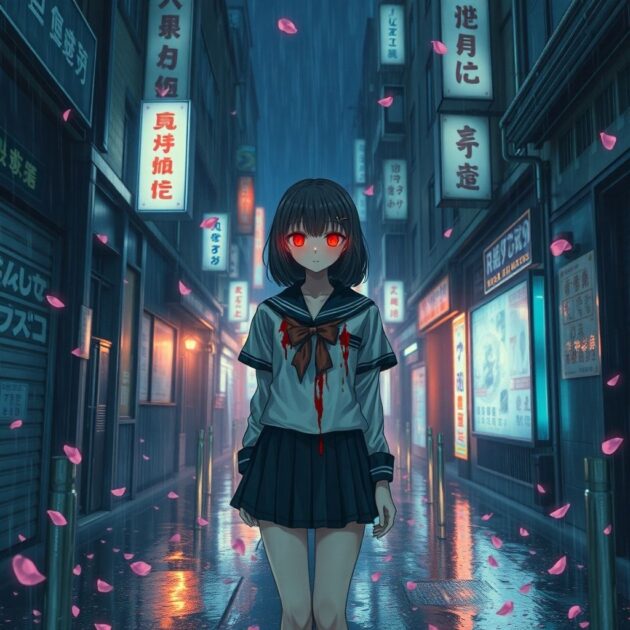
Let’s start with the hard data that anchors our horror pilgrimage. If you want to compare this lineup with our no‑mercy guide for the brave, have a look at the comprehensive ranking. The series’ relentless survival stakes also echo the themes we dissect in our death‑game ranking guide. Elfen Lied burst onto TV screens in 2004, produced by Arms Corporation, a studio notorious for pushing the envelope of graphic violence and body horror. Its controversial opening—an innocent schoolgirl turning into a berserk Diclonius—set a new bar for visceral storytelling, forcing broadcasters to grapple with censorship standards that still echo today.
Two years later, Higurashi When They Cry aired under Studio Deen’s banner, translating a visual novel’s looping murder mystery into a televised nightmare. Deen’s willingness to embrace nonlinear narrative structures signaled a shift toward more experimental horror, proving that anime could be as disorienting as a fever dream.
Fast‑forward to 2012, Another arrived from P.A. Works, a studio better known for its warm, slice‑of‑life aesthetics. Their pivot to a cursed classroom filled with dead‑eyes and relentless death‑loops showed that even the most wholesome studios could dabble in darkness without losing their brand identity.
In 2010, Daume delivered Shiki, a vampiric saga set in a snow‑capped village. Daume’s modest budget forced clever use of shadows and muted palettes, turning the ordinary into an oppressive, claustrophobic nightmare that still feels fresh against today’s high‑budget CGI.
Finally, Tokyo Ghoul (2014) from Studio Pierrot—renowned for long‑running shōnen epics—took a sharp turn into the grotesque, blending existential angst with gory transformation sequences. Pierrot’s involvement gave the series a mainstream platform, cementing its place in the cultural zeitgeist.
All these titles are catalogued on the official project page, which serves as a reliable reference for horror aficionados tracking the evolution of the genre. For a broader look at the genre’s darkest titles, check out our top horror anime of 2026 list.
Historical Context – The Old Guard Perspective on the Darkest Anime
To truly appreciate today’s darkest anime, we must rewind to the genre’s forebears: series like Vampire Princess Miyu (1988) and Devilman (1972) laid the groundwork with mythic horror and apocalyptic dread. Those early works were limited by hand‑drawn cells and budget constraints, yet they cultivated a language of fear—sharp silhouettes, stark contrast, and unsettling sound design—that modern creators still borrow. For a parallel take on the same titles, see our grim descent into nightmarish storytelling.
When Arms Corporation entered the scene with Elfen Lied, they inherited a legacy of pushing visual boundaries, echoing the shock value of Devilman but with a contemporary edge: hyper‑realistic gore and psychological trauma. Studio Deen’s Higurashi built upon the looping narrative technique first glimpsed in Serial Experiments Lain, but amplified it with a rural setting that feels eerily familiar to Japanese folklore.
P.A. Works’ foray into horror with Another mirrors the studio’s earlier experimentations in Angel Beats!, where they blended emotional resonance with supernatural horror. Daume’s Shiki can be seen as a spiritual successor to the 1990s’s Vampire Hunter D, yet it strips away the flamboyance, opting for a muted, atmospheric dread that feels more like a cold winter night.
Studio Pierrot’s Tokyo Ghoul represents a watershed moment where a mainstream shōnen powerhouse embraced mature horror, reminiscent of how Toei’s GeGeGe no Kitarō once brought yokai to prime‑time. This cross‑pollination signals a market shift: audiences now demand layered horror that can sit alongside action and romance, forcing studios to diversify their portfolios.
Technical Crunch – Why These Series Define the Darkest Anime Landscape
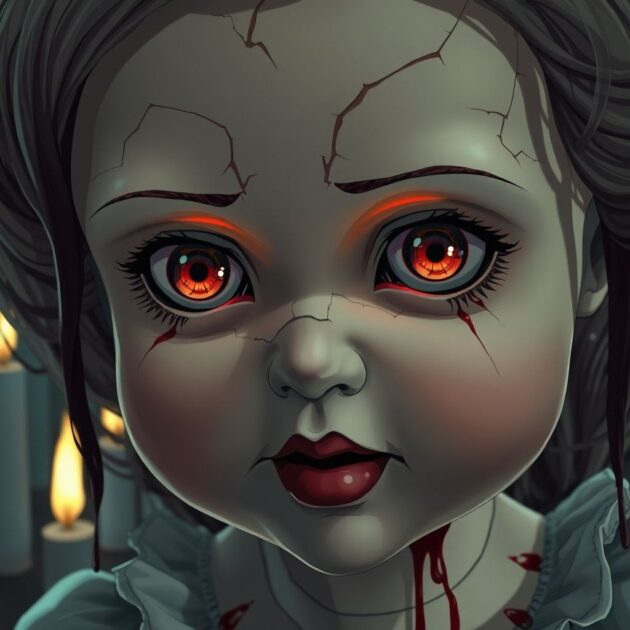
Beyond narrative, the technical craftsmanship of these series cements their status. Elfen Lied employs a stark contrast between pastel school settings and brutal, hyper‑realistic blood splatters, using digital compositing to heighten shock value. The Diclonius’ telekinetic vectors are rendered with particle effects that convey both beauty and terror.
Higurashi utilizes a fragmented episode structure, where each “question arc” introduces new variables, and “answer arcs” resolve them with meticulous pacing. The series’ sound design—high‑pitched strings during panic scenes—creates a physiological response, mirroring the characters’ anxiety.
In Another, P.A. Works leverages 3D background modeling for the cursed classroom, allowing seamless camera moves that heighten the sense of entrapment. The recurring motif of a red‑eyed girl is animated with subtle eye‑tracking, making each appearance a visual cue for impending doom.
Shiki relies heavily on chiaroscuro lighting; the snow‑covered village is rendered in muted blues, while the vampires’ pale skin glows ominously under moonlight. This visual dichotomy underscores the thematic clash between life and death.
Tokyo Ghoul pushes the envelope with its grotesque kagune transformations, using a blend of hand‑drawn key frames and CGI to depict the fluid, almost liquid nature of the ghoul’s powers. The series also integrates a dynamic color palette—deep reds during combat, desaturated tones during introspection—to reflect the protagonist’s internal conflict.
Collectively, these technical choices aren’t mere aesthetics; they serve as narrative devices that amplify dread, manipulate pacing, and embed horror into the very fabric of the animation.
Future Implications – Where the Darkest Anime Will Lead the Genre
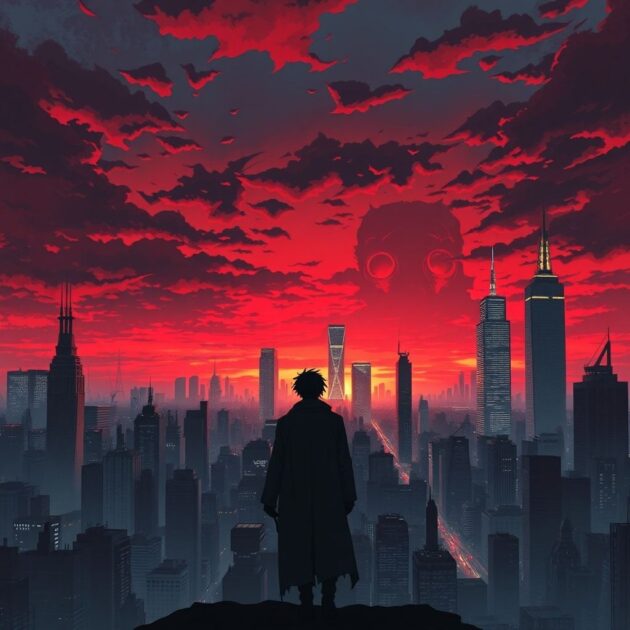
Looking ahead, the legacy of these titles points toward a hybridization of horror with other genres. Studios are already experimenting with VR‑enabled horror experiences, and the narrative depth of Higurashi and Tokyo Ghoul suggests future adaptations could blend interactive storytelling with traditional anime formats. Moreover, the success of streaming platforms has opened doors for longer, more nuanced arcs—think multi‑season explorations of the cursed school trope pioneered by Another.
Franchise potential remains high. Elfen Lied could see a CGI‑heavy sequel that revisits the Diclonius mythos with modern visual effects, while Shiki might inspire a live‑action adaptation that leverages practical makeup to recapture its eerie atmosphere. However, the risk of diluting the core horror elements looms large; over‑commercialization could strip away the psychological nuance that defines the darkest anime.
Listen, kid—if you think the horror scene is dead because some studio tried to slap a smiley face on a corpse, you’re sorely mistaken. The real terror comes from creators who understand that fear isn’t just blood and guts; it’s the lingering dread after the credits roll, the way a single frame can haunt you for weeks. The series we’ve dissected aren’t just shock factories; they’re masterclasses in pacing, atmosphere, and the art of making you question your own sanity.
Don’t be fooled by the glossy promos of the next big thing. The darkest anime will always be the ones that bleed into your subconscious, the ones that force you to stare at the abyss and feel it stare back. If a studio can’t pull that off, they’re just selling cheap thrills. Keep your eyes peeled, your heart steady, and remember: the real monsters live in the shadows of the mind, not on the screen.
Related Guides & Further Reading
Related Guides & Further Reading
Check out the darkest anime archives.