Why Egypt February Is the Cheapest, Most Magical Travel Hack You’ve Never Heard Of
Egypt February offers a rare blend of mild weather, lower prices, and cultural fireworks that can turn a modest backpacking trip into a legendary saga. If you think the desert is only scorching sand and endless pyramids, think again—February flips the script with festive nights and visa shortcuts that most tourists overlook. For a full breakdown of costs, check out our comprehensive Egypt budget hub. Miss the window and you’ll pay double for everything, from a simple falafel to a ticket to the Grand Egyptian Museum.
Visa Realities & Ramadan Festivities in Egypt February
First, let’s untangle the visa maze. Most nationalities not on the exclusive list of 78 eligible countries must pay a USD 25 visa‑on‑arrival fee at Cairo International Airport’s passport‑control bank counter. This fee is a flat rate, regardless of stay length, and it’s payable in cash only, so come prepared with exact change. The good news? If you land directly in Sharm el‑Sheikh, Nuweiba, or Taba, you receive a free entry‑permit stamp that grants unrestricted movement across South Sinai for up to 15 days. This perk is a game‑changer for budget travelers eyeing the Red Sea’s coral reefs without the extra paperwork. Backpackers looking for detailed cost strategies can also read our guide on conquering the pyramids on a shoestring.
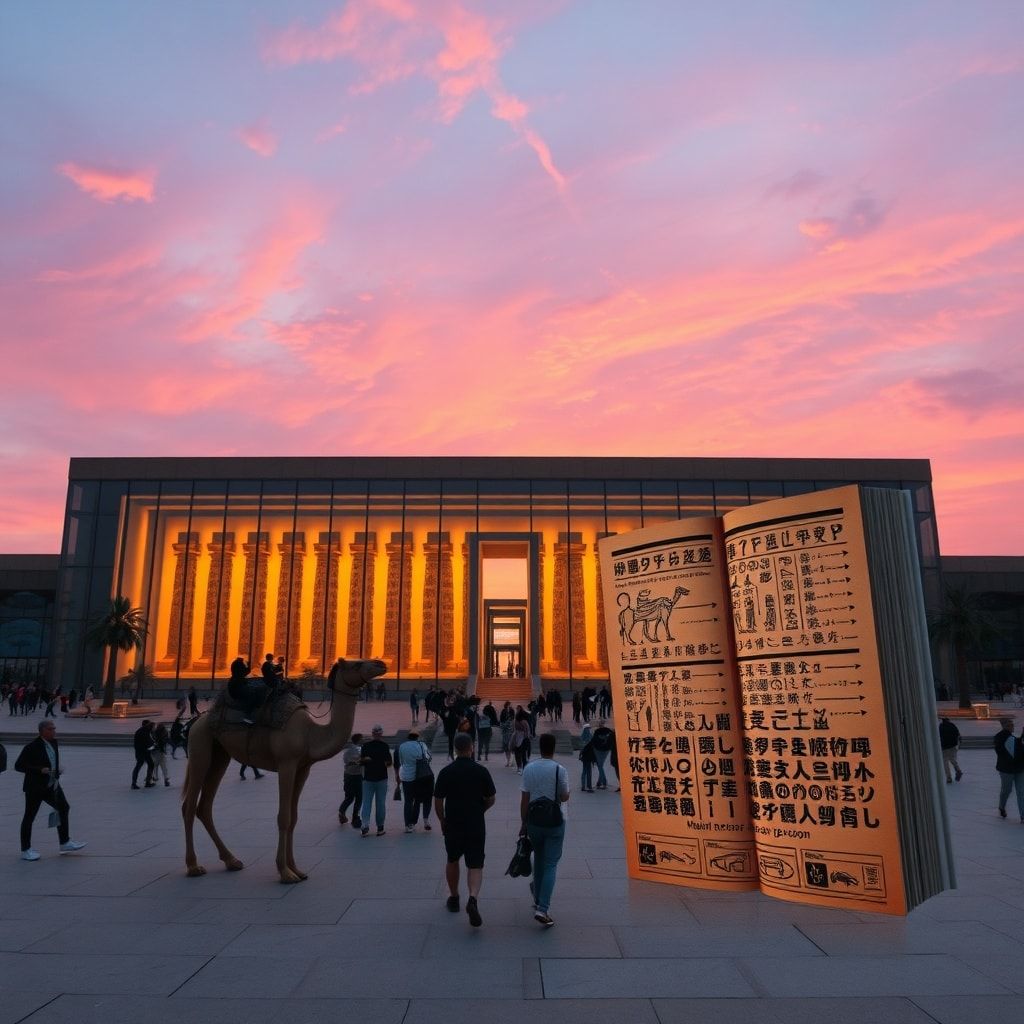
Ramadan adds a layer of enchantment. From 18 February 2026 through 18 March 2026, the Grand Egyptian Museum hosts “Ramadan Nights,” a series of after‑hours events featuring live music, traditional performances, and illuminated displays of ancient artifacts. Tickets must be booked in advance via the official project page. Simultaneously, three cultural tents—Layalina at Mohamed Ali Palace, Elsaraya at Abden Palace, and Hakawy El Qahera at Salah Eldin Citadel—open their doors, offering immersive workshops, storytelling, and local cuisine. The museum’s operating hours in February are 08:30 AM–06:00 PM for the complex, with gallery access from 09:00 AM–05:00 PM; the last ticket is sold at 04:00 PM, so plan to arrive early to avoid the rush.
From Past Pilgrimages to Modern Budget Adventures
Travel to Egypt isn’t a new phenomenon—pilgrims and explorers have trekked its sands for millennia. In the 1970s, backpackers relied on over‑priced hotel packages and limited information, often missing out on hidden gems like the Sinai desert festivals. Fast forward to the digital age, and the landscape has shifted dramatically. Online forums, budget‑travel blogs, and official tourism portals now publish real‑time visa updates, flight deals, and cultural calendars. The Ramadan tent series, for instance, mirrors the historic “Moulid” celebrations of the Ottoman era, but with a modern twist: interactive AR exhibits and pop‑up food stalls that cater to a global palate.
The evolution of visa policies also reflects broader geopolitical trends. Egypt’s decision to grant free South Sinai permits for direct arrivals aligns with a regional push to boost tourism in lesser‑visited areas, diversifying revenue beyond the Nile corridor. This mirrors similar moves in Jordan and Morocco, where targeted visa incentives have successfully increased off‑peak visitation. By comparing past travel constraints with today’s streamlined processes, we see a clear trajectory toward a more inclusive, budget‑friendly tourism ecosystem—one that rewards savvy planners who leverage these policy shifts.
Crunching Numbers: How to Stretch Every Dollar

Let’s break down the math. A round‑trip flight from Europe to Cairo in February averages $350‑$450 on low‑cost carriers, a 15‑20% dip compared to the summer high season. If you’re planning an eight‑day itinerary, our solo backpacker budget guide breaks down daily expenses step‑by‑step. Accommodation in central Cairo can be secured for $15‑$25 per night in a clean guesthouse, while hostels in Luxor and Aswan dip to $10‑$12. If you’re staying within the 15‑day visa‑free South Sinai window, you can allocate $5‑$7 per night for beachfront dorms in Sharm el‑Sheikh, dramatically lowering coastal costs.
Food is another arena for savings. Street‑side falafel, koshari, and ful medames cost $1‑$2 per plate. A typical Ramadan iftar at a local tent averages $4‑$6, offering a cultural experience without breaking the bank. The Grand Egyptian Museum’s “Ramadan Nights” tickets are priced at $12 for adults and $6 for students, a modest fee for after‑hours access to world‑class artifacts. Factor in transportation: a 30‑minute Uber ride in Cairo costs $3‑$5, while intercity trains between Cairo, Luxor, and Aswan run $10‑$15 for a second‑class seat. Adding a modest daily budget of $30‑$35 covers meals, transport, and entry fees, leaving room for souvenirs or an optional desert safari.
Looking Ahead: The Future of Budget Travel in Egypt
Egypt’s tourism board is betting on the “experience economy,” where immersive cultural events like the Ramadan tents become the main draw rather than just monuments. Expect more pop‑up museums, night‑time heritage tours, and collaborative projects with anime studios to create stylized travel guides that appeal to younger audiences. The success of the Grand Egyptian Museum’s after‑hours program suggests a shift toward flexible opening hours, catering to budget travelers who prefer off‑peak visits. Moreover, the free South Sinai entry‑permit could be extended beyond 15 days, encouraging longer stays and deeper exploration of the Red Sea’s marine biodiversity.
From a logistical standpoint, digital visa platforms are likely to replace the cash‑only counter system, streamlining the $25 fee into an online payment gateway. This would reduce bottlenecks at Cairo Airport and improve data collection for better policy making. As climate‑change concerns push tourists toward cooler months, February will become even more coveted, prompting hotels to offer early‑bird discounts and local operators to bundle desert treks with cultural workshops. In short, the convergence of policy incentives, tech upgrades, and curated experiences will cement Egypt February as a flagship season for budget‑conscious adventurers.
Related Guides & Further Reading
Check out the Egypt February archives
Check out the Egypt February archives.