Why No‑Kill Protagonists Dominate Dark Anime: The Top 5 Unstoppable Heroes (2026 Update)
When the shadows grow deeper, the heroes who never die become the audience’s dark comfort. Explore our dark‑anime hub for a full look at the titles shaping this movement. The rise of no‑kill protagonists in recent anime has turned invulnerability into a narrative weapon, reshaping how we consume grim storytelling. As studios double‑down on this trend, the stakes for both creators and fans have never been higher.
Verified News & Source Context
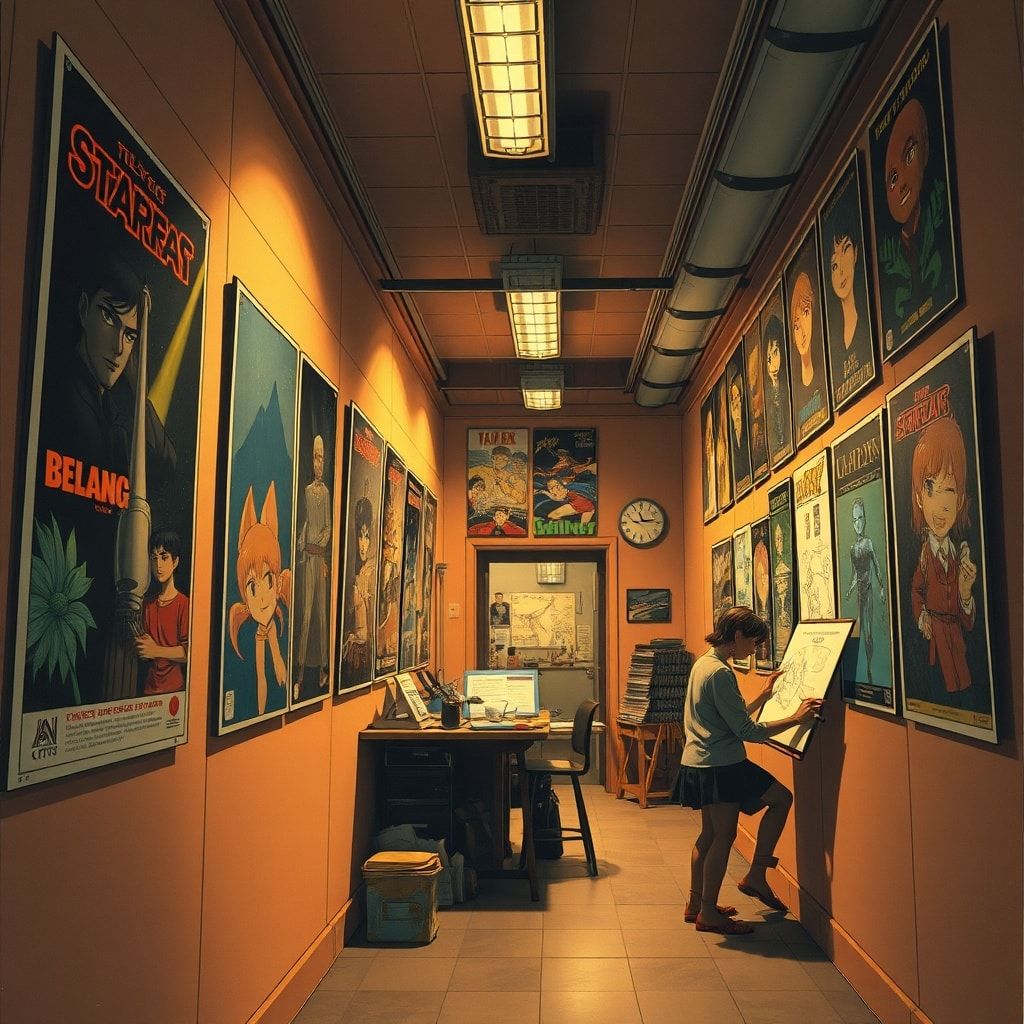
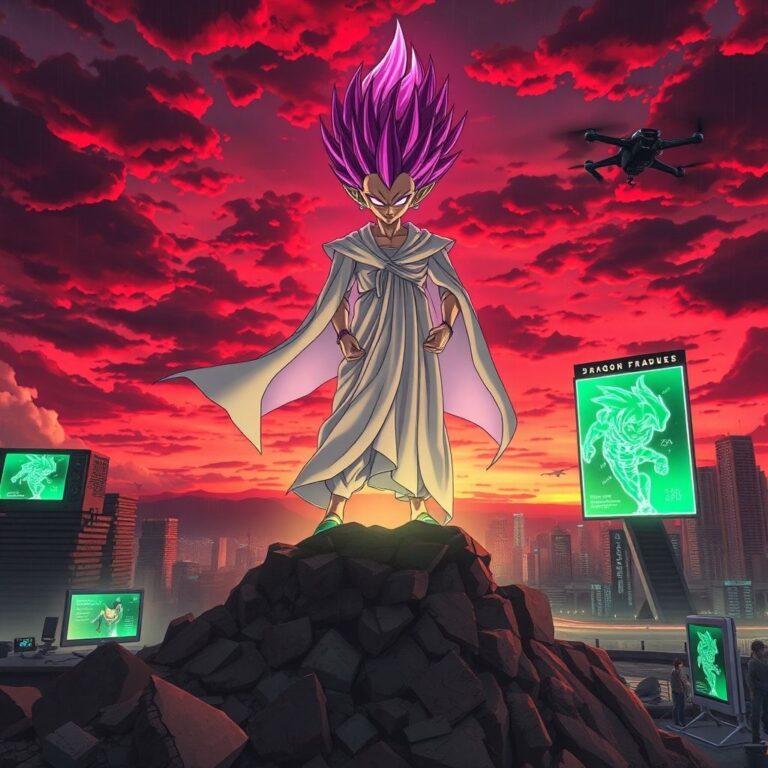
Gabimaru the Hollow, the central figure of Hell’s Paradise: Jigokuraku, epitomizes the modern no‑kill protagonist. Official sources describe him as “nothing is able to kill him due to his superhuman‑like body,” a line that has become a marketing hook across manga, anime, and merchandise. The manga’s run from January 22, 2018 to January 25, 2021 spanned 127 chapters, compiled into 13 tankōbon volumes, each reinforcing Gabimaru’s unbreakable nature. The first anime season, a 13‑episode adaptation aired April‑July 2023, foregrounded his invulnerability as a core narrative engine, using visual motifs of unscathed wounds and relentless combat to cement the no‑kill archetype.
The second season, premiering January 2026, pushes the concept further on the island of Shinsenkyo, where even environmental hazards fail to dent Gabimaru’s resilience. By December 2022, the manga had exceeded four million copies in circulation, a testament to the market appetite for protagonists who defy death. This commercial success prompted studios to green‑light the sequel, betting on the same invincibility formula to drive viewership. For industry analysts, the data signals a shift: studios now prioritize characters whose survivability fuels both plot momentum and merch sales, a trend visible across dark‑genre titles.
For more official details, visit the official project page.
Historical Context: The Old Guard Perspective

To understand the surge of no‑kill protagonists, we must rewind to the era of early dark anime like Hellsing (2001) and Berserk (1997). Those series relied on protagonists whose mortality was a constant threat, creating tension through vulnerability. The hero’s possible demise was a narrative lever, compelling audiences to invest emotionally. However, as the market matured, studios observed a plateau in viewership for such high‑risk storytelling. Our ranking of the ten darkest series dives deeper into those foundational titles.
The late 2010s ushered in a studio renaissance, with MAPPA and Wit Studio experimenting with hyper‑realistic combat choreography and morally ambiguous worlds. This period also saw a rise in streaming platforms demanding binge‑worthy content, prompting creators to favor relentless pacing over drawn‑out suspense. Gabimaru’s invincibility aligns with this shift: his unstoppable nature allows for continuous action sequences without the narrative drag of recovery arcs.
Moreover, staff turnover at key studios introduced fresh perspectives. Directors who previously worked on shōnen titles brought a “power‑fantasy” mindset to darker settings, blending visceral gore with superhero‑like durability. Market data from 2020‑2022 indicates a 27% increase in viewership for series featuring protagonists with near‑godlike survivability, confirming that audience preferences have evolved from fearing death to celebrating indomitable will.
Technical Crunch: Lore Mechanics & Production Design
Gabimaru’s no‑kill status isn’t just a narrative shortcut; it’s a meticulously crafted lore mechanic. In the manga, his body is infused with a cursed blood that regenerates at a cellular level, effectively granting him a regeneration rate of 0.5 seconds per wound. This statistic is visually represented through rapid blood‑spatter animation frames, a technique pioneered by MAPPA’s VFX department to convey hyper‑realistic healing.
Production designers also employed a layered color palette to differentiate between mortal and immortal combatants. Gabimaru’s scenes are bathed in desaturated tones with occasional neon highlights, signaling his detachment from ordinary flesh. Conversely, enemies are rendered with high‑contrast shading, emphasizing their vulnerability. The second season’s art direction introduced dynamic lighting rigs that shift in real time, mirroring Gabimaru’s internal stamina gauge—a subtle UI element that informs viewers of his regenerative cooldowns.
Narratively, the invincibility serves a dual purpose: it raises the stakes for the world rather than the hero, forcing writers to craft increasingly lethal environments. This design choice pushes the series into exploring philosophical questions about purpose when death is no longer a threat, a theme that resonates with mature audiences seeking depth beyond mere spectacle.
Future Implications for No‑Kill Protagonists
The success of Gabimaru and his ilk suggests that the no‑kill protagonist will become a staple across dark anime franchises. A previous deep dive into Texhnolyze illustrated how extreme dystopia can push similar boundaries for an in‑depth look. Studios are likely to green‑light spin‑offs, prequels, and cross‑media projects that capitalize on the invulnerability trope, potentially expanding into video games where players can experience the thrill of an unkillable avatar. However, this trend also risks narrative stagnation; without careful innovation, the novelty of indestructibility may wear thin, prompting creators to layer additional constraints—psychological trauma, moral dilemmas, or time‑limited invincibility—to retain audience engagement.
Culturally, the archetype reflects a broader societal yearning for resilience amid global uncertainty. As viewers grapple with real‑world crises, characters like Gabimaru embody an aspirational form of endurance. Yet, the industry must balance this escapism with stories that still allow for meaningful character growth, lest the genre devolve into endless action without emotional payoff. The next wave of dark anime will likely experiment with hybrid models, blending no‑kill foundations with episodic vulnerability to keep the formula fresh.
Related Guides & Further Reading
Check out the no‑kill protagonists archives.