Why Shared Interests Romance Anime Are the Ultimate Love Hack
If you’ve ever wondered why shared interests romance anime feel like a secret handshake between hearts, you’re not alone.
These stories prove that a mutual hobby can be the ultimate cupid. Strap in, because we’re dissecting the chemistry that makes otaku love stories unforgettable.
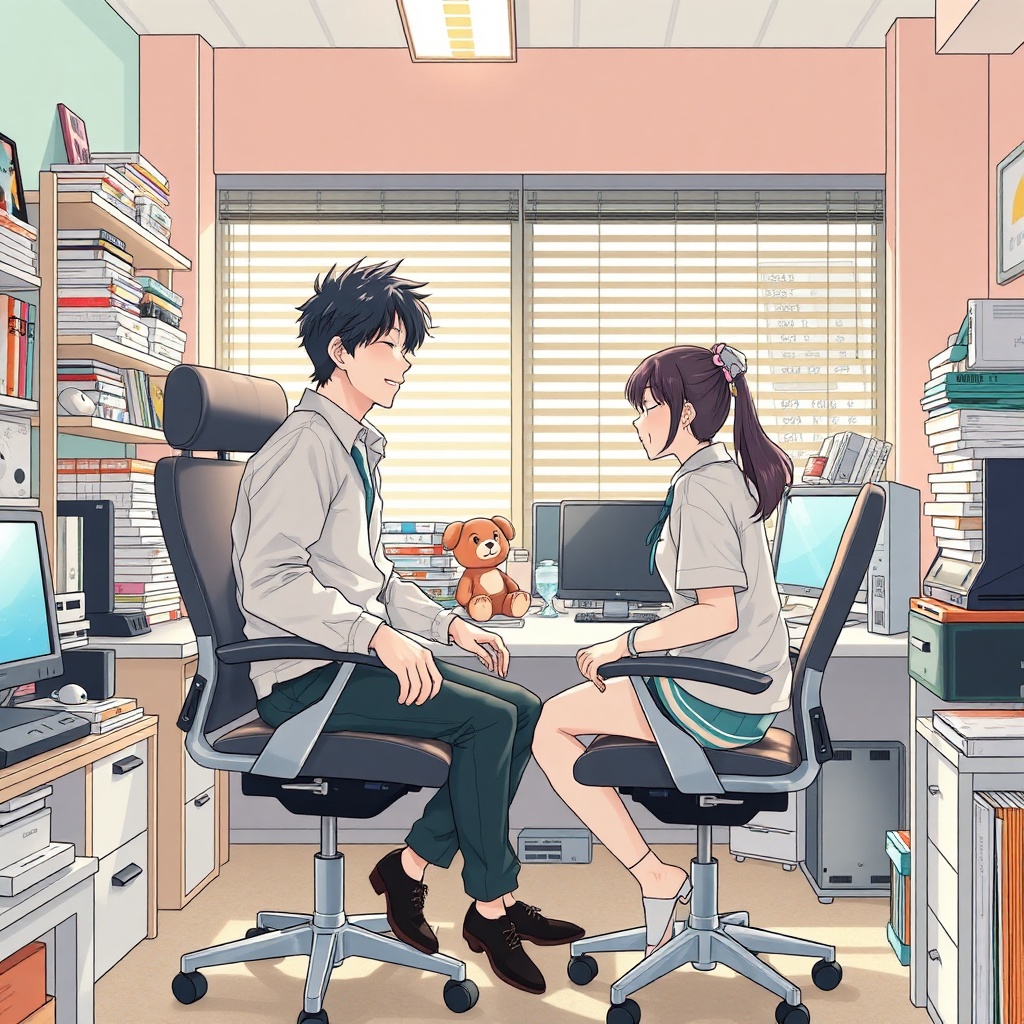
Wotakoi: Love is Hard for Otaku (“Wotakoi”) exploded onto Fuji TV’s Noitamina block and quickly became a reference point for the sub‑genre.
| Air dates | April 13 – June 22 , 2018 (11 tightly‑paced episodes) |
|---|---|
| Director | Yoshimasa Hiraike |
| Studio | A‑1 Pictures |
| Composer | Akimitsu Honma |
The series married workplace comedy with otaku culture, delivering a breezy soundtrack that underscored both awkwardness and warmth. By August 2020, the manga had surpassed ten million copies in circulation—a testament to how resonant the premise of shared hobbies is for a generation that often meets love through fandoms. Three OVA episodes released between 2019 and 2021 expanded on side characters, reinforcing the idea that a common interest can be a narrative engine, not just decorative backdrop. For fans seeking proof that love can blossom over shared game nights or manga binges, the official project page offers a treasure trove of production notes and staff interviews.
Early Otaku Romance Anime that Laid the Groundwork
Before Wotakoi, the anime landscape flirted with otaku romance in a handful of pioneering titles.
- “Genshiken” (2004) – clubroom setting highlighted how shared manga obsessions could foster deep bonds.
- “K‑On!” (2009) – music club camaraderie hinted at budding affection.
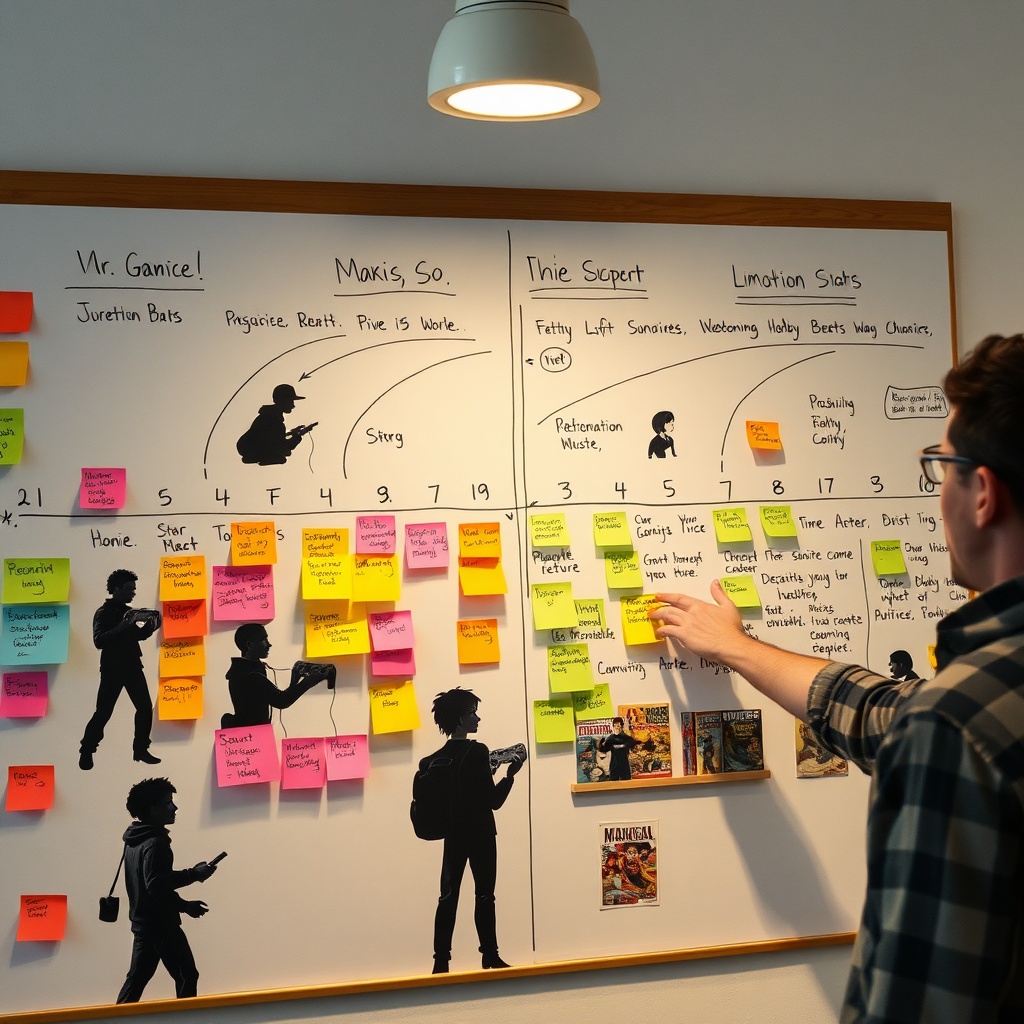
These series emerged when studios were cautiously testing niche audiences, often relegating otaku‑centric love to sub‑plots rather than central narratives. The early 2000s saw a shift: studios such as Kyoto Animation began to trust that fans would appreciate nuanced depictions of fandom‑driven relationships, paving the way for A‑1 Pictures to helm Wotakoi. The evolution from peripheral jokes to full‑blown romantic leads mirrors broader market trends, where streaming platforms demanded more diverse, relatable content. Moreover, the rise of “Noitamina” as a block dedicated to experimental series gave creators a sandbox to explore love stories that didn’t rely on traditional high‑school tropes, but instead celebrated adult characters whose passions intersected both professionally and personally.
Interest‑Mirroring as a Story Engine
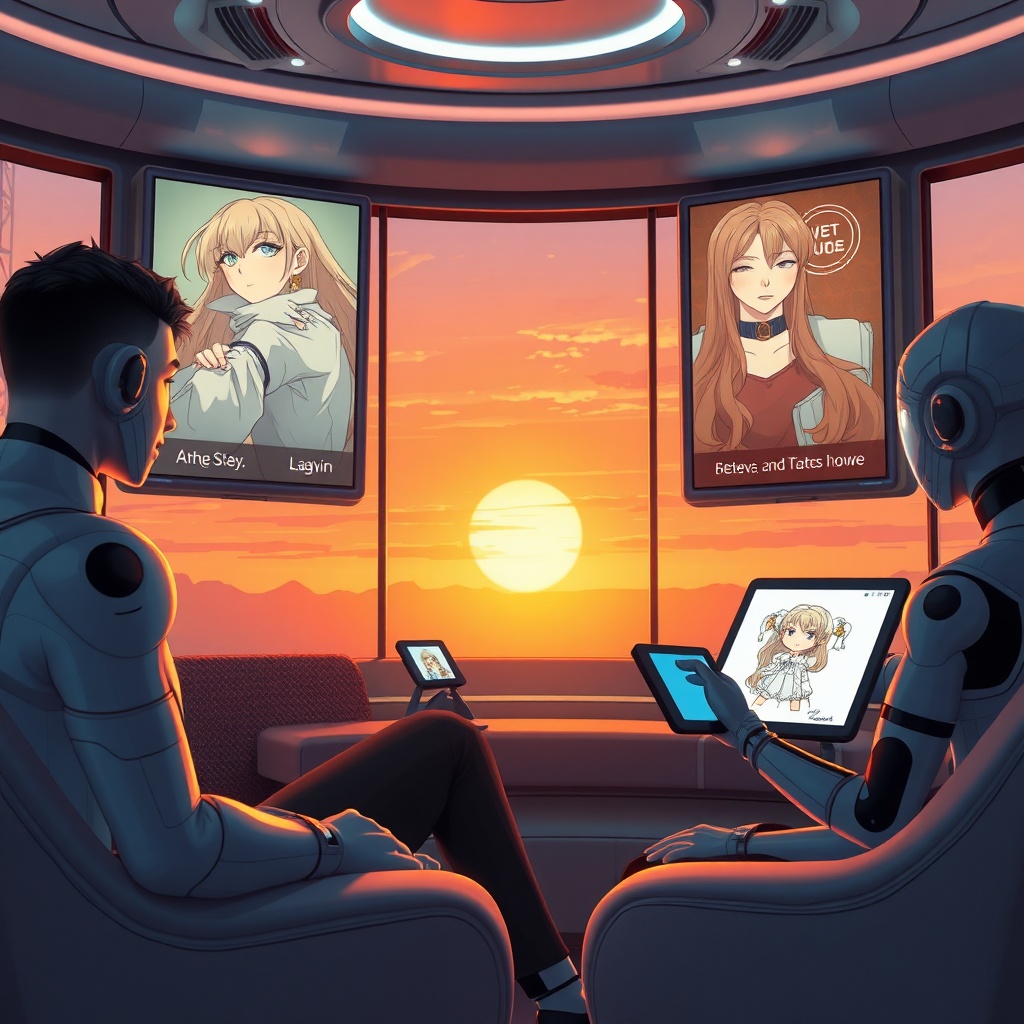
The structural brilliance of shared‑interest romance anime lies in “interest‑mirroring” – a technique where protagonists’ hobbies act as mirrors for their emotional states. In Wotakoi, Hirotaka’s love for video games parallels his strategic approach to romance, while Narumi’s manga obsession reflects her desire for narrative control. This creates a feedback loop: as characters discuss their passions, they inadvertently reveal vulnerabilities, accelerating development without resorting to melodramatic confession scenes.
Visual Icons & Sound Design
Visually, studios use iconography – controllers, sketchbooks, plushies – as shorthand to signal compatibility, allowing audiences to instantly grasp relational dynamics. Sound design reinforces the bond: subtle leitmotifs accompany hobby‑centric moments, turning each shared interest into an audible cue of connection. From a production standpoint, integrating real‑world otaku culture requires meticulous research, ensuring references feel authentic rather than pandering. This authenticity boosts fan engagement, turning passive watching into an immersive, almost participatory experience.
Cross‑Media Opportunities
Looking ahead, the success of shared‑interest romance anime signals fertile ground for sequels, spin‑offs, and cross‑media adaptations. Studios are already eyeing live‑action versions, leveraging the universal appeal of fandom‑driven love to attract both domestic and overseas audiences. Additionally, the rise of VR dating simulations could see these narratives transcend the screen, offering interactive experiences where fans literally share hobbies with their virtual partners.
Risks and Recommendations
The genre also faces risks: over‑reliance on niche references may alienate newcomers, and market saturation of “otaku love” tropes could dilute originality. To stay fresh, creators must diversify the interests portrayed—think culinary clubs, indie game dev collectives, or esports teams—ensuring each new series feels like a genuine exploration of contemporary subcultures rather than a formulaic checklist.
From my two‑decade trek across the anime seas, I’ve seen the same old love tropes get a makeover when you sprinkle in a shared hobby. It’s not just fan service; it’s a narrative shortcut that lets writers skip the “weird first‑date” filler and jump straight to the heart‑of‑the‑matter, which is why shows like Wotakoi feel so crisp and earned.
But beware, rookie studios: if you lean too hard on the otaku badge, you’ll end up with a love story that feels like a convention panel rather than a genuine connection. The future belongs to those who can blend niche passions with universal emotions, crafting romances that feel both specific and wildly relatable.
Check out the shared interests romance anime archives.