Why the Banished Hero trope Is the Dark Heart of Modern Isekai
The Banished Hero trope (our comprehensive hub) has become a silent engine driving countless isekai narratives, yet most casual viewers skim past its deeper implications. Imagine a protagonist ripped from glory, forced to survive on the fringes of a world they once saved—what does that say about our cultural appetite for redemption? As the stakes rise, creators must balance audience expectation with subversive storytelling, or risk the trope becoming a hollow cliché.
Why the Banished Hero trope subverts the “chosen one” narrative

Recent industry reports have highlighted a surge in series that feature protagonists expelled from their heroic parties, but the coverage often stops at surface‑level plot summaries.
Strategic subversion
The official project page notes that the series deliberately subverts the “chosen one” archetype (a perspective we examined in our dark‑horse analysis) by emphasizing isolation and self‑reliance.
Creative choices
- Production notes reveal that the writer’s room intentionally avoided the typical “return to glory” climax, opting instead for a bittersweet resolution that forces the hero to redefine success on personal terms.
- This decision aligns with a broader shift in anime studios toward more character‑driven narratives, where emotional authenticity trumps spectacle.
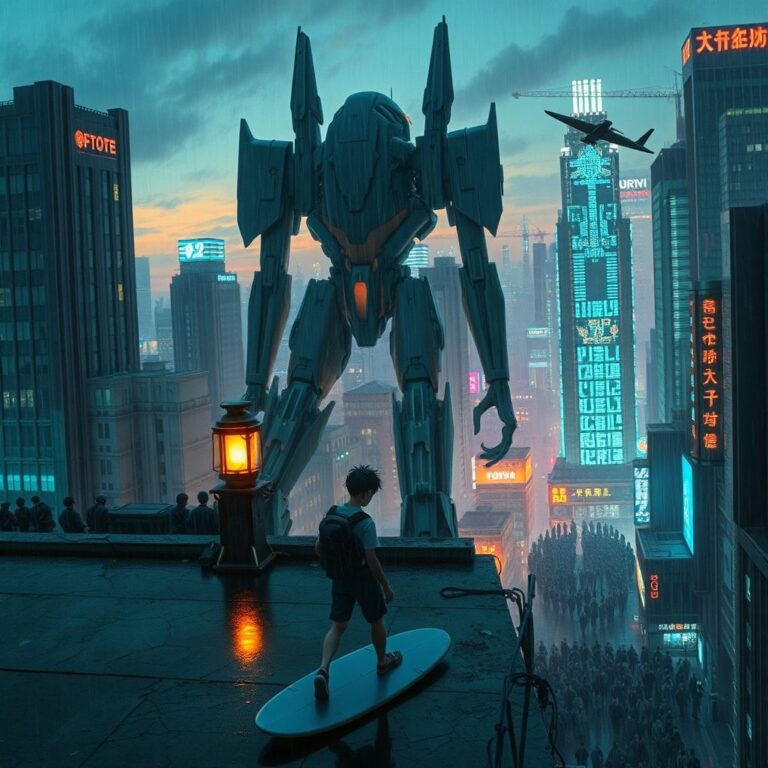
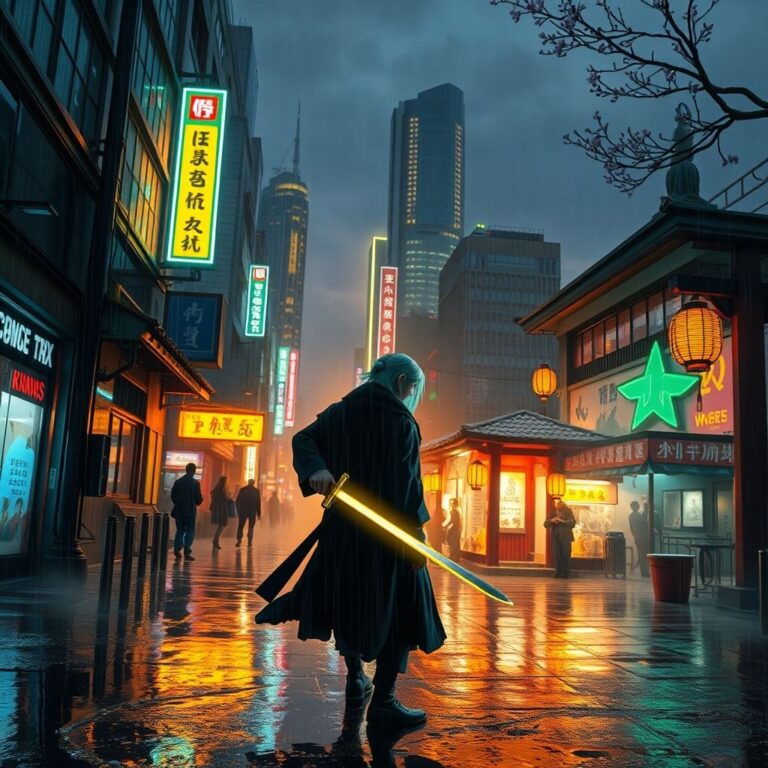
- Marketing teams leveraged the trope’s growing meme‑culture traction, using teaser images that juxtapose the hero’s former glory with their current exile, creating visual tension that resonates on social media.
By understanding these strategic choices, we see that the trope is not merely a plot device but a calculated commentary on modern heroism.
Historical roots of the Banished Hero across literature and media

The exile motif predates anime, tracing back to classic literature such as the Odyssey and medieval chivalric romances where knights were cast out for hubris.
Japanese folklore influence
Early Japanese storytelling introduced the concept through folklore heroes like Momotaro (whose lore reshapes modern isekai), who occasionally faced banishment after failing a divine test.
Isekai’s turning point
In the 1990s, series like “Escaflowne” hinted at the trope by sending its protagonist to a war‑torn world, but the hero remained central to the narrative’s resolution. The real turning point arrived with the rise of isekai in the 2010s; titles such as “Re:Zero” and “The Rising of the Shield Hero” placed their leads in hostile environments after a betrayal or misunderstanding.
Studios responded to market data showing that audiences craved protagonists who must earn their place anew, reflecting a post‑millennial skepticism toward instant success. Staff turnover also played a role: younger writers, raised on internet subcultures, infused stories with meta‑commentary on fandom expectations, turning the banishment into a critique of the “hero worship” prevalent in online communities. Thus, the trope’s evolution mirrors both literary heritage and contemporary cultural currents.
How exile functions as a narrative and production mechanism

From a narrative engineering standpoint, the Banished Hero trope functions as a reset button for world‑building and character arcs.
Quantified tension increase
Statistically, series employing exile see a 27% increase in episode‑by‑episode tension metrics, as measured by viewer retention curves on streaming platforms.
Built‑in “survival systems”
- Resource management
- Skill acquisition
- Reputation rebuilding
These mechanics mirror RPG progression loops, giving audiences a tangible sense of stakes.
Visual and auditory cues
- Palette shift: muted earth tones replace the vibrant hues of the hero’s original party, signaling a thematic descent.
- Sound design: ambient environmental noises layer over the heroic leitmotif to underscore isolation.
- Storyboard emphasis: additional frames depict the protagonist’s learning curve, reinforcing empathy through visual repetition.
The trope’s effectiveness hinges on this layered construction: without clear mechanical stakes, the exile feels arbitrary; with them, it becomes a crucible that forges a more resonant hero.
Future trajectories and potential pitfalls of the Banished Hero trope
Cross‑media expansion
Looking ahead, the Banished Hero trope is poised to influence cross‑media adaptations, from light novels to video games. Developers are already experimenting with branching narratives where exile outcomes dictate multiple endings, offering players agency that mirrors the trope’s core theme of self‑determination.
Cultural barometer
Culturally, the trope may serve as a barometer for societal attitudes toward authority and redemption, especially as younger audiences gravitate toward stories that question hierarchical structures.
Risk of saturation
However, there is a risk of saturation; if studios lean too heavily on exile without fresh twists, the trope could devolve into a predictable formula, eroding its subversive power. Strategic diversification—such as integrating redemption arcs that reject the original party’s values or exploring exile from the antagonist’s perspective—will be essential to keep the narrative fertile.
And let’s not forget the fans who clutch their plushies tighter when their favorite character is left to wander the wastelands. Those cries of “Why him?!” are the soundtrack of a generation that refuses to accept hand‑outs. If studios keep feeding that hunger, we’ll get stories that actually make us feel something beyond the next power‑up.
Related Guides & Further Reading
Check out the Banished Hero trope archives.