Why the Banished Hero Trope Is the Dark Heart of Modern Isekai
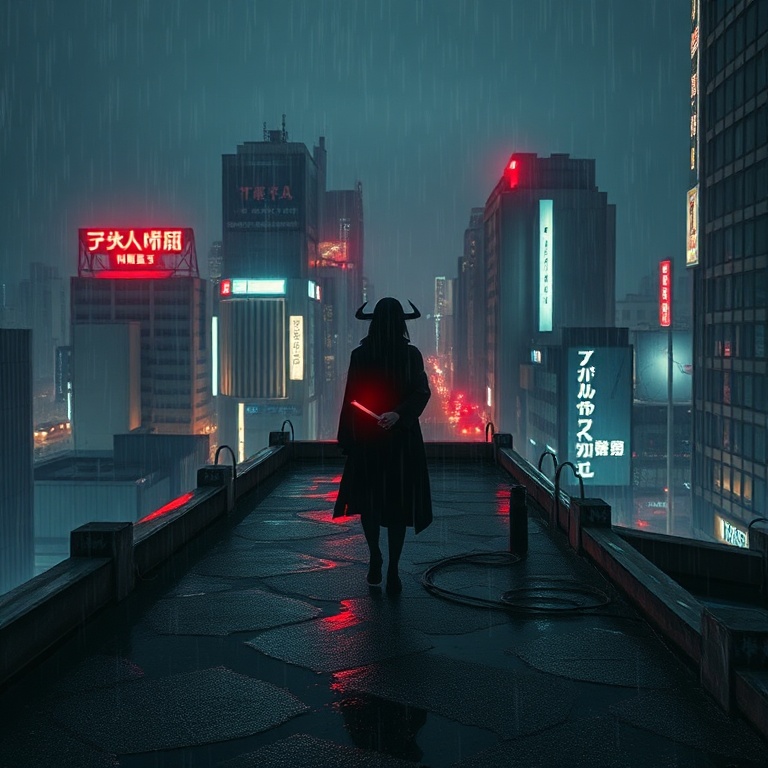
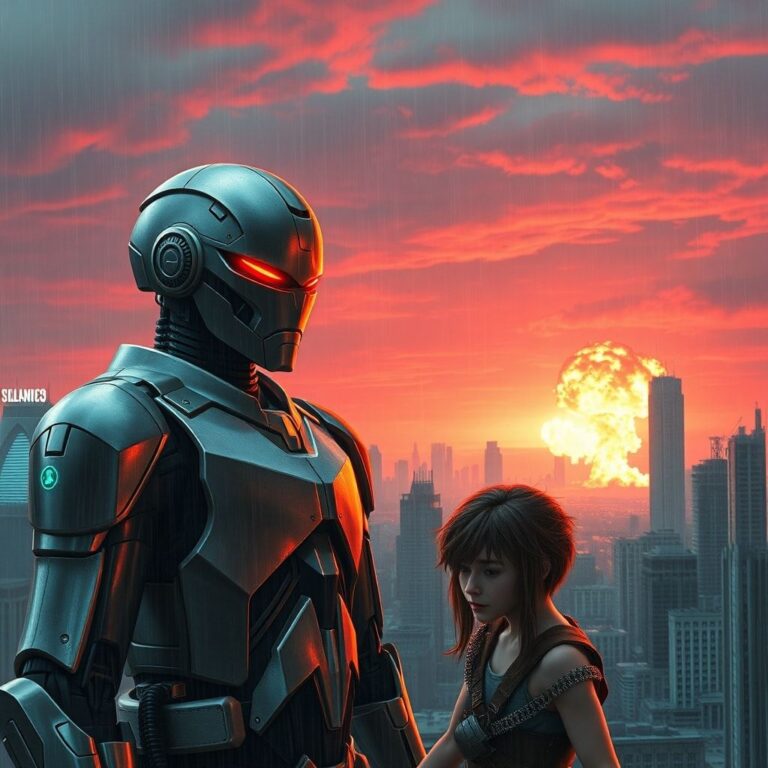
The Banished Hero Trope has become a litmus test for how far a series will push its protagonist into moral gray zones. When a once‑celebrated champion is cast out, the narrative stakes skyrocket, forcing viewers to question heroism itself. This hook sets the stage for a deep dive into why the trope resonates across mediums. For a broader overview, check out our comprehensive Banished Hero Trope hub.
Publication Timeline and Media Adaptations
- Light novel serialization: Started on the user‑generated platform Shōsetsuka ni Narō in October 2017, marking a watershed moment for web‑originated isekai narratives.
- Printed volumes: Kadokawa Sneaker Bunko released fifteen bound volumes from June 2018 through July 2025, each expanding world‑building and deepening the exile motif.
- Manga adaptation: Serialized in Monthly Shōnen Ace since May 2018, producing fourteen tankōbon volumes that translate the novel’s internal monologue into striking panel work emphasizing the protagonist’s isolation.
- Anime Season 1: A joint effort by Studio Flad and director Satoshi Takafuji aired from October 6 2021 to March 24 2024, delivering twenty‑five episodes that balanced action set‑pieces with quiet character moments.
- Anime Season 2: Also helmed by Takafuji, aired from January 2024 to March 2024, tightening the pacing and introducing new antagonistic forces that test the hero’s resolve.
All of these milestones are documented on the official project page, underscoring the franchise’s sustained commercial viability and its role in cementing the Banished Hero Trope within mainstream anime discourse.
Early Use of Hero Exile in Shōnen and Isekai
Before the wave of web‑novel adaptations, the exile of a hero was a rarity, reserved for darker shōnen titles like “Berserk” or the occasional tragedy in “Fullmetal Alchemist”.
Rise of Isekai Exile Narratives
The early 2010s saw the emergence of series such as “The Rising of the Shield Hero” (2013) and “Re:Zero – Starting Life in Another World” (2016), which set the stage for the now‑ubiquitous exile narrative. Our earlier analysis of why the Banished Hero trope has become the dark horse of modern isekai provides further context on how these titles reshaped audience expectations. These works framed exile as a catalyst for redemption rather than a permanent state.
Studio trends shifted as production committees recognized the commercial pull of underdog narratives, prompting a surge in adaptations from platforms like Shōsetsuka ni Narō. Staff turnover also played a role: directors who cut their teeth on traditional shōnen were now experimenting with morally ambiguous leads, while character designers embraced grittier aesthetics to reflect the protagonists’ fallen status. Market shifts toward streaming services amplified this trend, as global audiences craved stories that subverted the classic hero’s journey, making the Banished Hero Trope a reliable hook for both domestic and overseas licensing.
Narrative Mechanics of the Banished Hero Trope
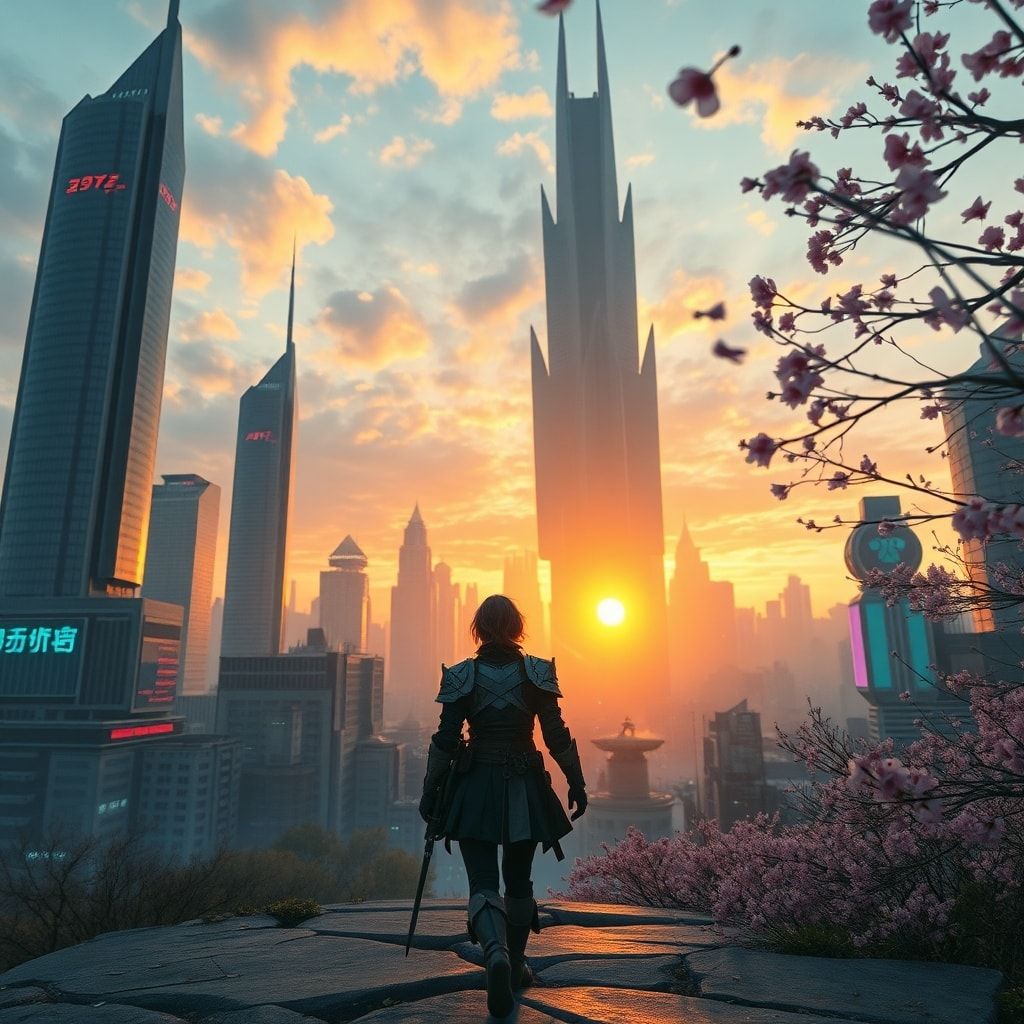
From a lore standpoint, the Banished Hero Trope hinges on a triad of mechanics:
- Stat devaluation: The protagonist’s “Heroic Rating” – a numeric representation of divine favor – plummets after the banishment, directly affecting combat efficacy and magic potency. This quantifiable loss provides concrete narrative tension that writers can manipulate episode‑by‑episode.
- Social ostracism: NPC dialogue trees shift from reverent to hostile, reinforcing the exile’s psychological impact.
- World‑level consequences: Production design mirrors the decline through muted color palettes, tighter framing, and sound design that emphasizes ambient silence over orchestral heroics.
Narrative structure often follows a three‑act pattern:
- The initial fall.
- The survival grind.
- The eventual confrontation with the original party.
This scaffolding allows for episodic “skill‑up” moments while preserving the overarching theme of alienation. Understanding these layers explains why the trope resonates: it offers a systematic way to explore character growth under duress, while giving creators measurable hooks for plot progression.
Future Prospects and Potential Media Expansions
The second season’s modest episode count hints at a strategic pivot: rather than diluting the core conflict with filler arcs, the studio appears to be consolidating the narrative for a potential third season or even a feature film.
If the franchise continues to capitalize on the exile motif, we may see cross‑media expansions such as:
- Visual novels.
- Tabletop RPGs.
- Live‑action adaptations.
These would allow fans to experience the protagonist’s struggle from alternate perspectives. This trajectory mirrors the insights shared in our deep‑dive on the dark heart of modern isekai. Culturally, the trope has already seeped into fan‑generated content, spawning memes that juxtapose heroic glory with mundane survival tasks, thereby reinforcing its meme‑ability and longevity.
However, the risk remains that oversaturation could erode its impact; future works must innovate—perhaps by subverting the exile itself or by exploring the hero’s redemption through collective rather than individual effort.
Related Guides & Further Reading
Check out the Banished Hero Trope archives.