Why the Banished Hero trope Is the Dark Horse of Modern Anime
The Banished Hero trope has slithered from niche web‑novel forums into the bright lights of televised anime, dragging a legion of disgruntled fans along for the ride. As the genre matures, the exile narrative reveals deeper societal anxieties about belonging and purpose, a trend explored in our comprehensive guide to the Banished Hero trope. Yet, the industry’s love‑hate relationship with this trope threatens to rewrite its destiny.
Verified News & Source Context
The series first sprouted on Shōsetsuka ni Narō in what many consider the dark heart of modern isekai in October 2017, a platform famed for incubating grassroots isekai sensations. Its rapid pickup by Kadokawa Shoten in June 2018 signaled a shift: publishers were now scouting digital hotbeds for print‑ready gold. Spanning fifteen volumes until July 2025, the light novel’s longevity outstripped many contemporaries, underscoring a robust fanbase that demanded more than fleeting hype.
Parallelly, Masahiro Ikeno’s manga adaptation launched in Monthly Shōnen Ace in May 2018, delivering fourteen tankōbon volumes to date. The visual translation preserved the novel’s gritty tone while injecting kinetic panel work that resonated with shōnen readers. Both print forms secured Yen Press licenses for North America, cementing the franchise’s trans‑Pacific appeal and providing a revenue pipeline that justified further investment.
Season 1 of the anime, helmed by director Makoto Hoshino and writer Megumi Shimizu, aired from October 6 2021 to March 24 2024, delivering twenty‑five episodes of tightly paced storytelling. Composer Yukari Hashimoto’s score blended melancholy strings with pulsating synths, mirroring the protagonist’s internal exile. Studio Wolfsbane’s involvement marked its first major foray into isekai, positioning the studio as a potential heavyweight. Season 2, shifted to Studio Flad, aired January–March 2024, continuing the narrative thread and hinting at a strategic studio hand‑off designed to keep production momentum while diversifying creative input.
All these milestones are chronicled on the official project page, providing a transparent timeline that fans and analysts alike can trace.
The Banished Hero trope: Historical Roots and Early Echoes
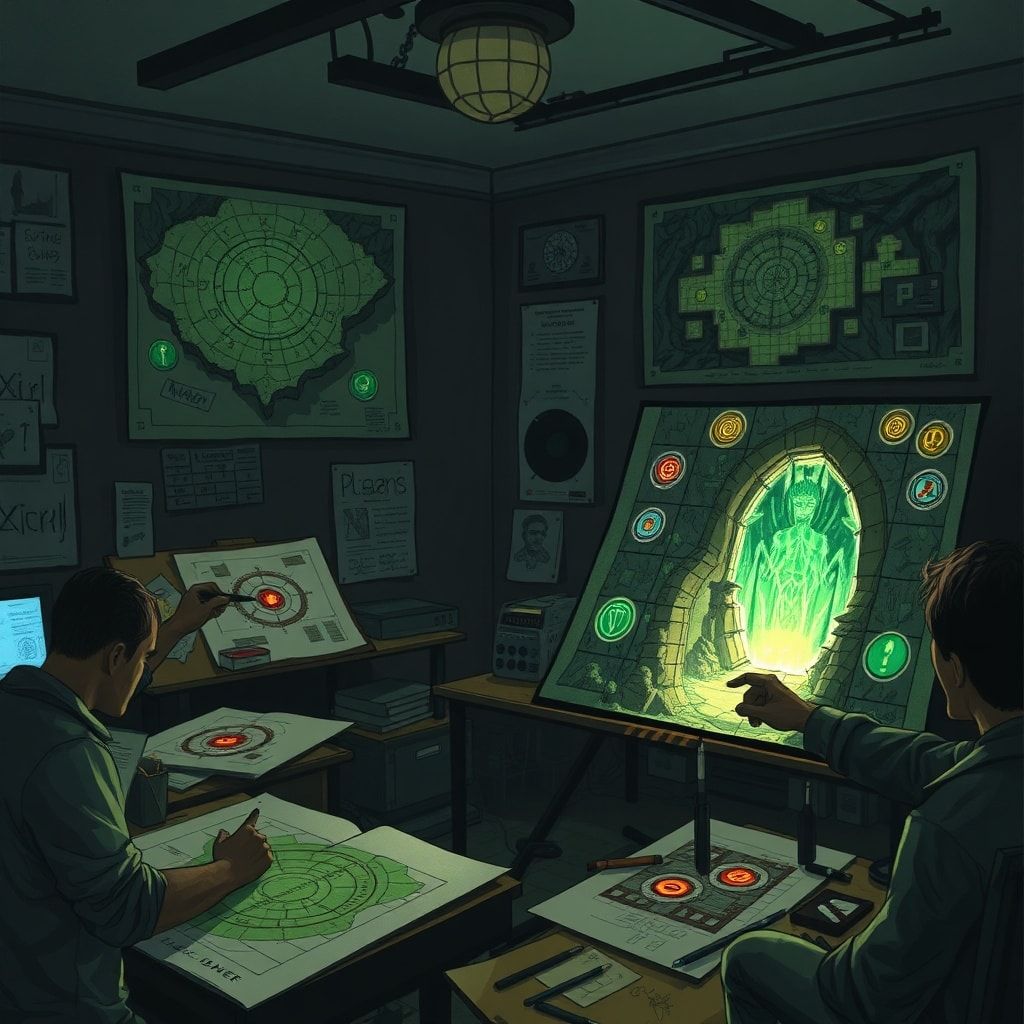
Before the digital surge, the exile archetype simmered in classic literature—think of Odysseus’ wanderings or the Buddhist tale of the wandering monk. Early anime like “Escaflowne” (1996) flirted with protagonists cast out from their realms, but the explicit label “Banished Hero” didn’t crystallize until the late 2000s with titles such as “The Devil Is a Part‑Timer!” where the hero’s forced relocation became comic fodder.
The 2010s saw a proliferation of isekai where the hero is summoned, not exiled. The Banished Hero trope inverted this formula, offering a darker, more introspective lens. Studios like A-1 Pictures experimented with “Re:Zero” (2016), where Subaru’s death‑loop imprisonment echoed exile without relocation. However, it was the web‑novel surge that gave the trope a dedicated platform, allowing writers to explore the psychological fallout of being cast out, not merely the adventure of a new world.
Studio Wolfsbane’s decision to animate the series in 2021 reflected a broader industry trend: capitalizing on niche tropes, as discussed in our analysis of how Banished Hero lore is reshaping modern isekai, with dedicated fanbases. The shift from Studio Flad for Season 2 illustrates a strategic diversification, mirroring how studios now rotate IPs to mitigate risk while preserving brand continuity. This fluidity signals a market that values both creative freshness and fan loyalty.
Technical Crunch: Lore Mechanics and Production Design
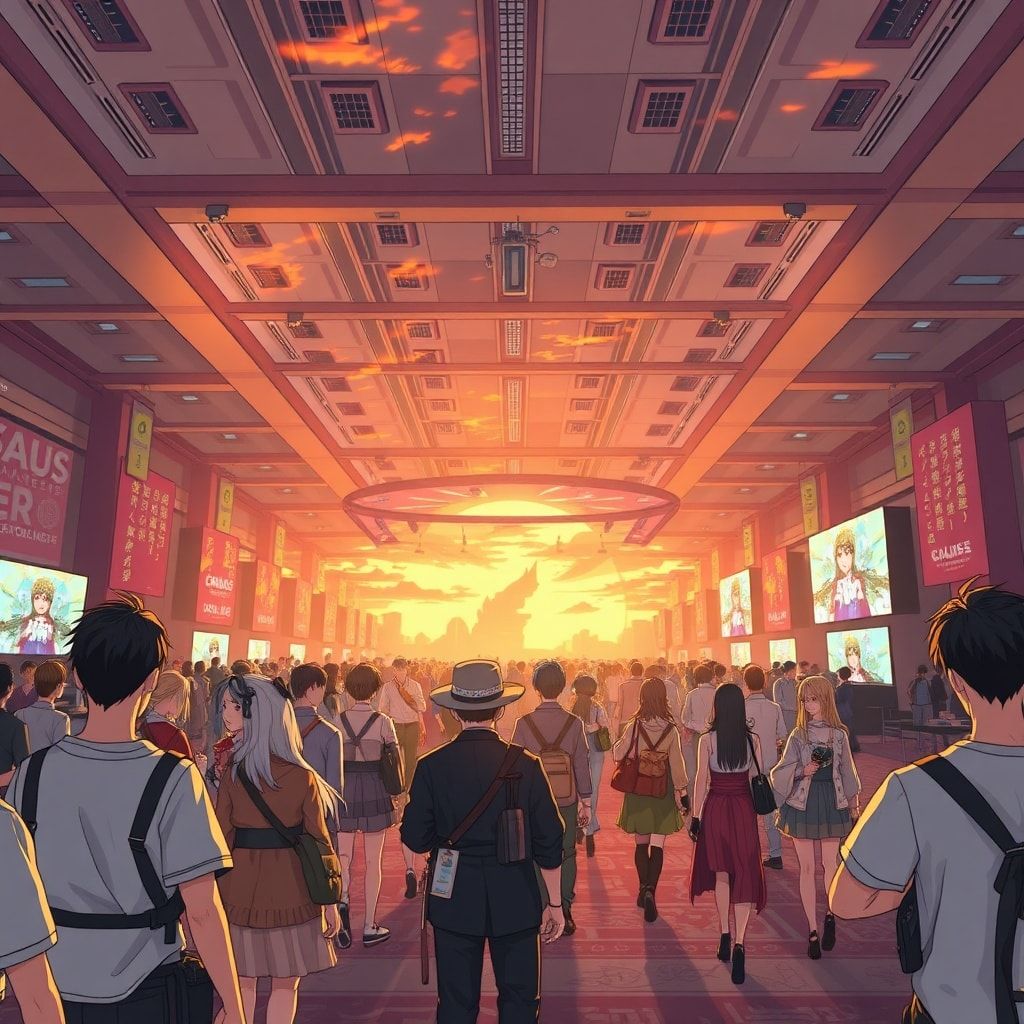
At its core, the Banished Hero narrative hinges on a set of mechanical pillars: exile status, redemption arc, and the “outsider advantage” that grants the protagonist unique insight into both worlds. In the light novel, the exile is quantified through a “Stigma Meter,” a numeric representation of societal rejection that directly influences combat efficacy and dialogue options.
Anime adaptation translates this into visual motifs: the protagonist’s cloak, frayed at the edges, symbolizes the Stigma Meter’s depletion. Production designers employed a muted palette for exile scenes—ashen blues and desaturated reds—to contrast sharply with the vibrant hues of the hero’s former party, reinforcing the emotional chasm. Sound design further amplifies this dichotomy; Hashimoto’s score utilizes low‑frequency drones during exile sequences, juxtaposed with bright, orchestral swells when the hero regains agency.
Narratively, the series employs a non‑linear structure, interweaving flashbacks of the hero’s former glory with present‑day exile hardships. This fragmented storytelling mirrors the protagonist’s fractured identity, a technique borrowed from psychological thrillers rather than traditional isekai. The result is a layered narrative that rewards attentive viewers with deeper thematic payoff.
Future Implications: Where the Exiled Hero Goes Next
Season 2’s cliffhanger—revealing a hidden kingdom that may hold the key to the hero’s redemption—opens fertile ground for expansion. Merchandise pipelines are already humming; limited‑edition figures featuring the hero’s exile armor have sold out within hours, indicating a market appetite for tangible representations of the darker aesthetic.
From a production standpoint, the hand‑off to Studio Flad suggests a potential stylistic evolution. Flad’s reputation for fluid animation could usher in more dynamic action sequences, while retaining the series’ somber tone. Moreover, the franchise’s successful cross‑media presence—light novel, manga, anime, and forthcoming video game—positions it as a candidate for a Western live‑action adaptation, though such a move carries the risk of diluting the nuanced exile themes for broader appeal.
Listen up, fresh‑blood otaku. The Banished Hero trope isn’t just a gimmick to sell plushies; it’s a mirror held up to our own feelings of being sidelined by society. When a series actually digs into the psychological toll—rather than slap‑on a power‑up—you’re witnessing a rare blend of entertainment and existential therapy. Studios that get this right will earn fan loyalty that outlasts any fleeting meme.
But don’t be fooled by glossy promos. The moment a franchise leans too hard into merch and forgets the core angst, it becomes a hollow shell. Keep your eyes on the narrative depth, not just the shiny figures. If the next arc can balance world‑building with genuine character struggle, we’ll have a masterpiece that defines the era. If not, it’ll be another footnote in the endless scroll of exiled heroes.
Related Guides & Further Reading
Check out the banished-hero-trope archives.