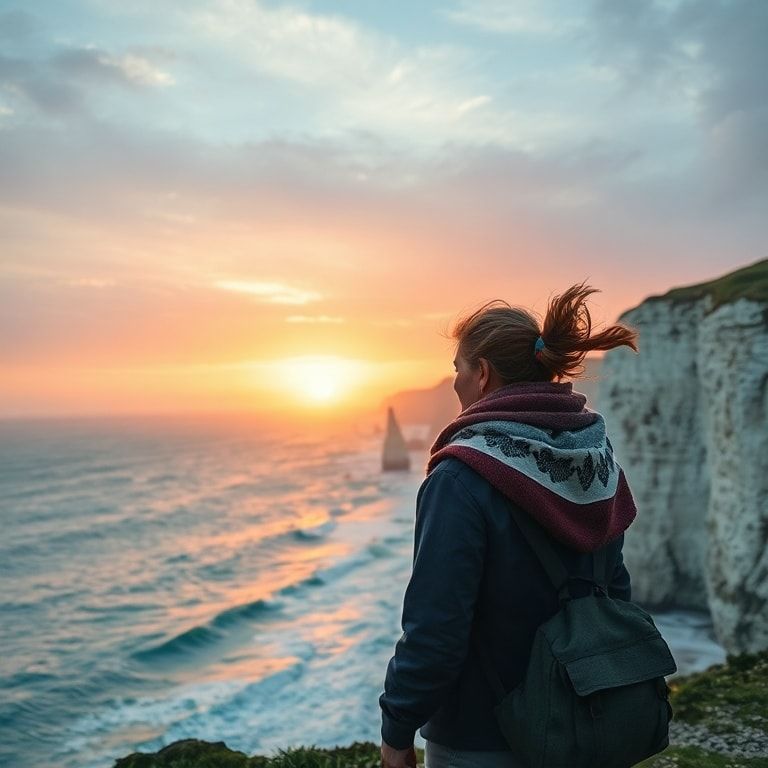
Why the Seven Sisters walk Is the Ultimate Half‑Day Test for Any Trail‑Hungry Nomad
The Seven Sisters walk beckons you with its white‑cliff silhouette, but the real drama lies in the logistics that separate the casual stroller from the seasoned trekker. Imagine juggling pay‑and‑display meters, bus timetables, and a guided‑walk fee while the sea wind howls like a shōnen battle theme. Miss a detail and you’ll be stuck watching the tide rise over the chalk, a reminder that nature doesn’t wait for your Instagram schedule.
Verified News & Source Context

The official site lists a tiered pay‑and‑display system: £3.50 for up to two hours, £5.00 for up to four, and £7.00 beyond that, with no Blue Badge concession. This pricing model reflects the National Trust’s attempt to balance revenue with accessibility, yet it can catch unprepared visitors off‑guard, especially those who assume free parking like at many UK trailheads. Opening hours shift seasonally—07:00‑21:00 from March 1 to October 26, then 07:00‑18:00 through winter—mirroring daylight constraints and local wildlife protection policies. Overnight parking is prohibited, a rule that discourages campsite‑style stays and preserves the cliff’s nocturnal ecosystem.
Public transport options are surprisingly robust: Stagecoach routes 12, 12A, and 12X link Brighton, Seaford, and Eastbourne, while the 39 Sussex Arts Shuttle runs Fri‑Sun between Lewes and Eastbourne, and the seasonal 47 Cuckmere Valley Rambler connects Berwick, Alfriston, and Seaford on weekends and bank holidays from April‑October. These services underscore a regional push to reduce car dependency, aligning with broader UK sustainability goals. For rail travelers, the 5 km trek from Seaford station to the Visitor Centre takes roughly an hour at a moderate pace—perfect for a warm‑up before the cliffs.
Guided walks cost £4 per person, halved to £2 for CPRE members, a nod to the countryside charity’s conservation work. This fee not only funds interpretive staff but also supports habitat restoration projects along the cliffs. All these details are consolidated on the official project page, which serves as the single source of truth for planning a seamless half‑day adventure.
Historical Context (Old Guard Perspective)
When the Seven Sisters first entered the public imagination in the late 19th century, they were celebrated in Victorian travelogues as the “White Ladies of Sussex,” a romanticized counterpart to the rugged Scottish Highlands. Early guidebooks, penned by railway promoters, framed the walk as a genteel promenade for the upper class, complete with carriage‑drawn picnics on the cliff tops. Fast‑forward to the 1970s, the counter‑culture movement reclaimed the trail for backpackers, echoing the era’s broader shift toward experiential tourism and low‑impact travel.
In the anime sphere, the cliffs have served as a backdrop for several series, most notably in the 1998 OVA “Coastal Spirits,” where the protagonists chase a mythic sea dragon across the chalk formations. That production’s art direction borrowed heavily from the pastel‑washed aesthetic of the region, cementing the Seven Sisters as a visual shorthand for both natural beauty and narrative tension. The evolution from aristocratic leisure to indie adventure mirrors the broader trajectory of Japanese media, where settings once reserved for elite narratives become democratized through subculture reinterpretation.
Today’s visitor experience reflects a synthesis of those histories: the modern guided walk, subsidized for CPRE members, echoes Victorian patronage while the pay‑and‑display system nods to contemporary neoliberal park management. Understanding this lineage helps trekkers appreciate that each footstep is part of a continuum, a dialogue between past and present that enriches the sensory experience of the Seven Sisters walk.
Technical Crunch: Seven Sisters walk Mechanics & Design
The Seven Sisters walk is not merely a linear path; it is a carefully engineered experience balancing geology, ecology, and visitor flow. The chalk cliffs themselves are composed of Cretaceous limestone, eroding at an average of 2 mm per year—a rate that informs the placement of safety railings and viewing platforms. Trail designers employ a “graded exposure” model: the initial segment from Seaford to the Visitor Centre is relatively flat, allowing newcomers to acclimate, while later sections introduce steeper ascents and narrow ledges that demand heightened awareness.
From a logistical standpoint, the pay‑and‑display zones are strategically positioned near high‑traffic entry points to maximize turnover and fund maintenance. The tiered pricing incentivizes short visits during peak summer days, reducing congestion on the most fragile cliff edges. Meanwhile, the guided walk fee supports a small team of naturalists equipped with portable audio devices, enabling real‑time interpretation of flora such as the rare early spider orchid, which blooms only on south‑facing chalk grasslands.
Transport integration is another layer of design. The Stagecoach routes synchronize with the Visitor Centre’s opening hours, ensuring that the last bus departs before the 21:00 cutoff in summer, thereby preventing stranded hikers. The seasonal 47 Cuckmere Valley Rambler adds redundancy, offering alternative access points that disperse foot traffic and mitigate erosion. All these mechanics coalesce to create a resilient system that can adapt to weather fluctuations, visitor numbers, and conservation priorities.
Understanding these underlying structures empowers trekkers to make informed choices—whether to purchase a CPRE‑discounted guided slot, time their arrival to avoid the 4‑hour parking cap, or opt for the bus to reduce carbon footprint—thereby enhancing both personal enjoyment and environmental stewardship.
Future Implications for the Seven Sisters walk Experience
Looking ahead, climate change poses a tangible threat to the chalk cliffs, with increased storm intensity accelerating erosion. Management plans are already considering adaptive measures such as reinforced retaining walls and real‑time monitoring via drone surveys. These interventions could reshape the visitor experience, potentially limiting access to certain sections during high‑risk periods, which would necessitate revised routing and updated signage.
On the cultural front, the rise of virtual reality tourism offers a complementary avenue: immersive 360° tours of the Seven Sisters could attract global audiences while reducing physical footfall. Partnerships with anime studios to produce a serialized “Cliff Chronicles” could further embed the location in pop culture, driving demand for on‑site experiences tied to the series—think pop‑up cafés or limited‑edition merchandise. However, such commercialization must be balanced against the preservation ethos championed by the CPRE and the National Trust.
Listen up, green‑horns: the Seven Sisters walk isn’t just a pretty backdrop for your Instagram story. It’s a living laboratory where geology, policy, and pop culture collide, and if you treat it like a weekend stroll without a plan, you’ll end up paying extra for a ticket you could’ve saved with a little foresight.
Don’t be the clueless tourist who parks for four hours, misses the last bus, and then watches the tide swallow the path you just trekked. Learn the schedule, grab that CPRE discount, and respect the cliffs—because the only thing more unforgiving than the chalk is a guidebook that leaves you stranded.
In sum, the Seven Sisters walk stands at a crossroads of environmental stewardship, technological innovation, and cultural relevance. How you navigate its present challenges will shape its future allure for generations of wanderers.
Check out the Seven Sisters walk archives.