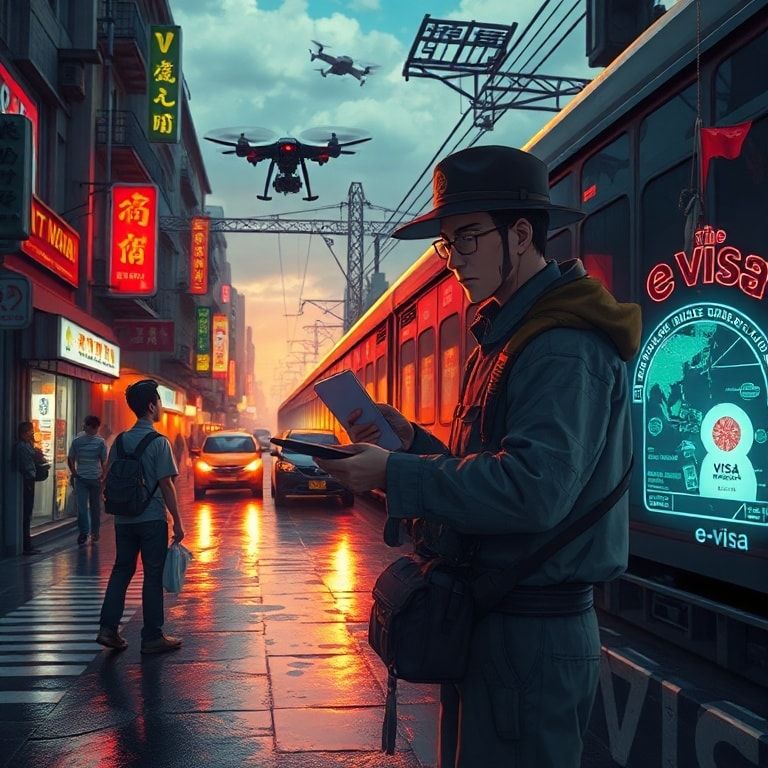
How to Conquer Hanoi on a Shoestring: The Ultimate Hanoi Budget Playbook
Ever wondered if you could actually live like a local in Hanoi without selling a kidney?
Our budget hub and the comprehensive Hanoi budget guide hub show how the Hanoi budget challenge forces you to stretch every dong — as we detail in our guide to surviving the chaos under $30 a day — turning ordinary travel into a strategic game of wits. Miss the deadline and you’ll be stuck eating instant noodles in a hostel hallway.
Mastering the Hanoi Budget: Transit Hacks and Ticket Tricks

Flat‑Rate City‑Bus Network
The backbone of any low‑cost Hanoi itinerary is the city‑bus network, where every ride costs a flat 7,000 VND (about $0.30). This uniform fare, regardless of distance, eliminates the guesswork of zone‑based pricing and lets you hop from the Old Quarter to West Lake with a single, predictable expense. The Hanoi Tourism Department’s data confirms this flat‑rate model, which is a rarity in Asian megacities where fares often balloon with distance. For a complete breakdown of how to roam the capital on a shoestring, check out our budget‑friendly travel guide across the city.
Line 16 (BX Giáp Bát – BX Mỹ Đình) for Day Trips
Line 16 (BX Giáp Bát – BX Mỹ Đình) is a workhorse for budget travelers. Operating from 05:00 to 21:00 with a 10–15 minute head‑way, it stitches together the city centre and the Mỹ Đình intercity bus terminal, where you can catch cheap north‑south coaches. Its reliability means you can schedule day trips to the ancient capital of Ninh Bình or the coastal charm of Ha Long without worrying about missed connections.
Hanoi City Tour Bus Options
For those who crave a more curated experience, the two‑storey Hanoi City Tour bus offers tiered tickets: 196,000 VND for 2 hours, 300,000 VND for 4 hours, 450,000 VND for a full day, and 650,000 VND for 48 hours. While pricier than the regular bus, the tour bus bundles commentary, hop‑on‑hop‑off flexibility, and a panoramic view that can be worth the upgrade on a tight schedule. The official tourism site lists these rates, and you can purchase tickets on‑board or via the official project page.
Hanoi–Nanning International Train
Lastly, the Hanoi–Nanning international train, departing from Gia Lam station, costs roughly 1,000,000 VND (≈ $38.5) for a one‑way adult ticket. Though this single ticket exceeds the $40 daily cap, it becomes a strategic splurge when you combine it with a multi‑day stay in Nanning, leveraging the 50 % child discount and free travel for under‑4s. Since early December 2023, the Dong Đǎng International Border Gate accepts e‑visas, shaving off paperwork headaches and making cross‑border rail a viable budget adventure for the well‑planned nomad.
From Colonial Rails to Modern Rails: Historical Context of Hanoi’s Transport

French Colonial Railway Foundations
Hanoi’s transport story reads like a saga of colonial ambition turned into modern necessity. The French built the original railway line in the late 19th century to connect Saigon with the northern frontier, laying tracks that would later become the backbone of today’s intercity network. Those iron arteries were originally intended for resource extraction, but they inadvertently seeded a culture of rail travel that persists.
Đổi Mới Era Modernisation
Fast forward to the 1990s, when Vietnam opened its doors to market reforms (Đổi Mới). The state‑run Vietnam Railways began modernising rolling stock, introducing diesel locomotives that could handle longer distances at higher speeds. The Hanoi–Nanning line, inaugurated in the early 2000s, symbolised a new era of regional integration, linking Vietnam with China’s expansive rail grid.
Evolution of the City‑Bus Fare System
In parallel, the city‑bus system evolved from a chaotic mix of privately operated minibusses to a centrally regulated network. The flat 7,000 VND fare was introduced in 2015 to simplify fare collection and encourage public transit usage over motorbikes, which dominate Hanoi’s streets. This policy shift mirrors trends in other Southeast Asian capitals, where governments are attempting to curb congestion and pollution.
Digital Border Processing at Dong Đǎng
The recent addition of e‑visa acceptance at Dong Đǎng reflects a broader digital transformation in border management, aligning Vietnam with global standards. For a veteran otaku nomad, these layers of history provide a rich backdrop: each ticket you buy is a thread woven through colonial rail, socialist planning, and contemporary tech‑savvy tourism.
Technical Crunch: Decoding Costs, Timetables, and Ticket Mechanics

Daily City‑Bus Cost Example
Let’s break down the numbers so you can actually budget, not just dream. The city‑bus flat fare of 7,000 VND translates to roughly 0.30 USD. Assuming you take four rides a day—morning commute, lunch hop‑on, afternoon museum visit, evening return—that’s 28,000 VND (≈ $1.20). Add a modest 10 % buffer for occasional night‑only routes, and you’re still under $2.
Calculating Line 16 Round‑Trip Expenses
Line 16’s 10–15 minute head‑way means you can reliably schedule transfers. If you allocate 30 minutes for a round‑trip to Mỹ Đình, you’ll spend about 14,000 VND (≈ $0.60) on transport alone, leaving ample room for a cheap bowl of phở (≈ 30,000 VND).
Tour Bus Per‑Attraction Cost
The tour bus’s 2‑hour ticket at 196,000 VND is a strategic purchase if you plan to hit three major attractions in quick succession; the per‑attraction cost drops to roughly 65,000 VND, still cheaper than taxis.
Family Cost Scenario for Hanoi–Nanning Train
The Hanoi–Nanning train’s 1,000,000 VND fare is a heavyweight in the budget equation. However, the 50 % child discount (500,000 VND) and free travel for under‑4s can reduce the family cost dramatically. For a family of four (two adults, two children aged 5 and 9), the total becomes 2,000,000 VND (≈ $77), which, when split over a three‑day cross‑border adventure, averages about $26 per day—still within a $40 daily ceiling if you cut back on dining splurges.
Savings from E‑Visa Digital Process
Finally, the e‑visa system at Dong Đǎng eliminates the typical $25‑$30 paper‑visa fee, saving both money and time. The digital process also reduces the risk of lost documents, a common nightmare for backpackers. All these mechanics stack together, turning what looks like a pricey rail journey into a calculable, manageable expense for the disciplined traveler.
Quick Cost Reference Table
| Transport Mode | Typical Cost (VND) | Approx. USD |
|---|---|---|
| City‑bus single ride (flat fare) | 7,000 | 0.30 |
| Four‑ride day (city‑bus) | 28,000 | 1.20 |
| Line 16 round‑trip | 14,000 | 0.60 |
| Hanoi City Tour Bus – 2 hr ticket | 196,000 | 7.60 |
| Hanoi–Nanning train (adult) | 1,000,000 | 38.5 |
| Hanoi–Nanning train (child, 50 % off) | 500,000 | 19.3 |
| E‑visa fee savings | –25,000 – 30,000 (paper‑visa) | –$1.25 – $1.50 |
Future Implications: Scaling the Hanoi Budget Model for Southeast Asian Travelers
Potential Adoption by Neighboring Cities
The success of the Hanoi budget framework could serve as a template for other emerging destinations. By standardising flat‑rate city‑bus fares and integrating regional rail with e‑visa capabilities, governments can attract a new wave of cost‑conscious tourists who prioritize authentic experiences over luxury. If Hanoi’s model proves sustainable, neighboring cities like Ho Chi Minh City or Vientiane might adopt similar fare structures, creating a network of budget‑friendly corridors across Indochina.
Data‑Driven Smart‑City Itinerary Tools
Moreover, the data‑driven approach—leveraging official tourism statistics, real‑time bus head‑way information, and digital border processing—offers a blueprint for smart‑city initiatives. Private travel platforms could tap into these APIs to build dynamic itinerary generators that automatically optimise routes, costs, and time, delivering a personalised “budget‑first” travel plan at the click of a button. For the seasoned otaku nomad, this means less spreadsheet juggling and more time for street‑food hunting and late‑night anime marathons in local cafés.
Listen up, green‑horns: the moment you think you’ve cracked the Hanoi budget code, the city will throw a motorbike swarm at you like a scene from a shōnen battle. The streets are a living, breathing anime—full of neon glare, honking dragons, and vendors shouting louder than a mecha’s thrusters. If you can’t keep your wits sharp, you’ll end up paying double for a cup of cà phê sữa đá because you missed the last 7,000 VND bus and had to hitch a ride on a tourist’s scooter. The lesson? Treat every dong like a power‑up; spend it wisely, or you’ll respawn broke.
And don’t forget the hidden boss level: the Hanoi–Nanning train. It looks like a simple ticket, but it’s a gamble of time, money, and paperwork. The e‑visa at Dong Đǎng is a cheat code, but only if you’ve pre‑loaded your phone with the right app and know the exact border‑crossing window. Miss it, and you’ll be stuck in a cramped carriage watching the countryside blur by, wondering why you didn’t just stick to the cheap city‑bus. Master these systems, and you’ll turn a $40‑a‑day grind into a legendary saga worthy of any anime opening.
Related Guides & Further Reading
Check out the Hanoi budget archives.