Why Windermere transport Choices Make or Break Your Lake Day Trip
Planning a day on England’s largest natural lake isn’t just about packing a picnic; it’s a logistical chess game where the right ticket can save you cash and sanity. The phrase Windermere transport pops up in every guidebook, but most tourists treat it like a side‑quest rather than the main storyline. Miss the right move and you’ll be stuck shuffling between buses, boats, and bewildered locals while the sun sets over the fells.
Explorer Zone Bus & Boat Ticket: The Real Deal on Windermere transport
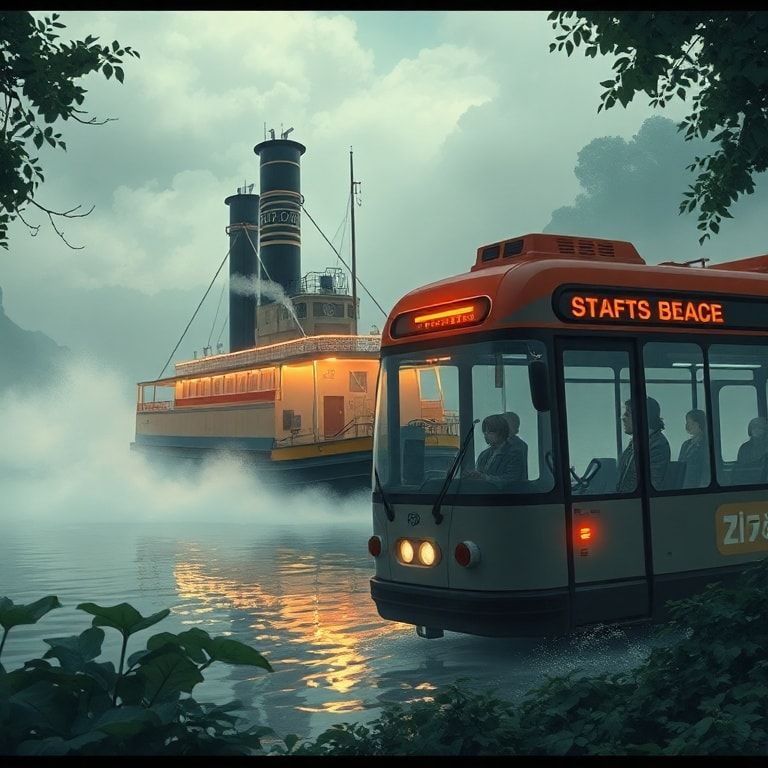
The Explorer Zone Bus & Boat Ticket is the Swiss‑army knife of Lake District travel, bundling unlimited Stagecoach bus hops inside the Central Lakes Zone with a single half‑lake cruise. Priced from £20.00 for an adult return in 2026, it undercuts the piecemeal approach where you’d shell out £13.80 for a full‑loop Red Cruise and still pay for each bus leg. The ticket’s design reflects a strategic partnership between Stagecoach and Windermere Lake Cruises, aiming to smooth the notorious “last‑mile” headache that haunts visitors arriving at Windermere Railway Station. The ticket can’t be booked online – a deliberate friction point that forces you onto the bus or into the ticket office, ensuring the revenue stays local and the staff get a friendly chat. For the seasoned nomad, this on‑the‑spot purchase is a blessing; you can gauge crowd levels, ask locals for hidden stops, and even haggle for a seat on a sunny deck. The official project page lays out the exact routes, but the real magic is in the flexibility: hop on a Stagecoach from Windermere station, alight at Bowness Pier, and board the half‑lake cruise that drops you at Lakeside Pier for a quick rail‑linked detour. All of this is wrapped in a single £20 ticket, a price that feels like a bargain when you factor in the £13.80 full loop you’d otherwise need just for the water leg.
From Steamers to Stagecoaches: Historical Context of Lake Travel
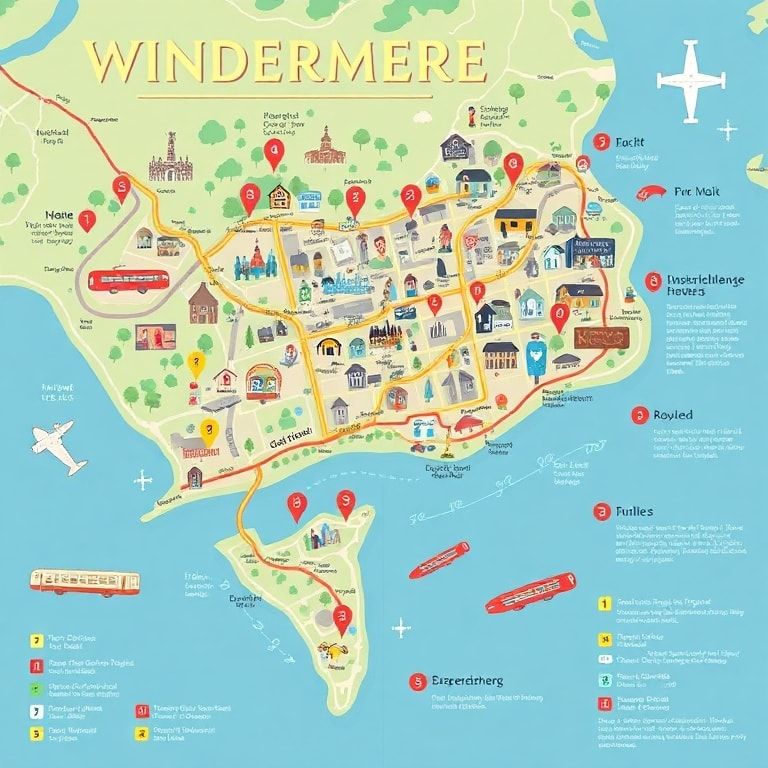
Back in the golden age of British leisure travel, the Windermere steamers were the rock stars of the lake, ferrying aristocrats and early tourists in polished brass. The first regular boat service began in 1845, predating the railway that finally linked the region in 1849. Those early vessels were single‑purpose, meaning you’d spend a whole day just circling the lake before the sun set. Fast‑forward to the 20th century, and the rise of the motor bus reshaped the equation. Stagecoach, a descendant of the post‑war coach boom, began stitching together the scattered villages, offering a cheaper, faster alternative to the leisurely cruise. The modern Explorer Zone ticket is the latest iteration of this tug‑of‑war, marrying the nostalgia of the steamer with the efficiency of the bus. This hybrid mirrors broader industry trends where multimodal passes (think London’s Oyster) dominate, reflecting a consumer appetite for seamless, cost‑effective travel. The shift also signals a cultural pivot: today’s travelers value time and flexibility over the romanticism of a single‑mode journey, yet they still crave that iconic lake view, which is why the half‑lake cruise remains a core component of the ticket.
Technical Crunch: Costs, Routes, and Logistics Decoded
Let’s break down the numbers. The Explorer Zone ticket at £20 covers unlimited bus hops within the Central Lakes Zone – that includes the 10‑minute ride from Windermere Railway Station to Bowness Pier (or a 25‑minute stroll if you fancy a cardio session). Compare that to buying a separate Stagecoach return ticket, which averages £5‑£6, plus the full‑loop Red Cruise at £13.80 – you’re looking at roughly £19‑£20 anyway, but without the flexibility to hop on any bus you like. The half‑lake cruise portion runs from Bowness Pier to Lakeside Pier, a scenic 5‑kilometre stretch that takes about 45 minutes, offering panoramic views of the western shore’s rolling hills. If you’re a budget‑tight traveler, the single‑loop Red Cruise alone costs £13.80, but you’ll still need to pay for bus transfers, nudging the total to £19‑£21. The ticket’s restriction – purchase only on‑board or at a ticket office – prevents price‑gouging through online scalpers and ensures you’re buying at the point of need. Logistically, the bus schedule aligns with the cruise timetable: Stagecoach departs Bowness every 30 minutes, while the cruise leaves hourly, giving you a comfortable window to sync. For the meticulous planner, this means you can map a day: arrive by train, grab the ticket on the first bus, explore Bowness, hop on the cruise, disembark at Lakeside, and either catch the heritage railway or loop back via bus – all under one £20 umbrella.
Future Implications: How Transport Choices Shape Lake District Tourism
The integration of bus and boat services under a single ticket hints at a broader shift toward multimodal tourism ecosystems. As climate concerns tighten, Stagecoach is piloting electric buses on the lake routes, while Windermere Lake Cruises is experimenting with low‑emission hybrid vessels. If these green initiatives succeed, the Explorer Zone could become a flagship model for sustainable travel in protected landscapes, attracting eco‑conscious visitors willing to pay a premium for guilt‑free sightseeing. Moreover, the ticket’s on‑the‑spot purchase model may evolve into a QR‑code system, blending the tactile charm of face‑to‑face interaction with the convenience of digital verification. This hybrid could preserve local employment while streamlining operations, a win‑win for the community.
From my two‑decade trek across Japan’s railways to the misty lanes of the Lake District, I’ve learned that transport is the unsung protagonist of any adventure. The Explorer Zone ticket is a clever cheat code, letting you dodge the usual “bus‑or‑boat” dilemma, but don’t be fooled into thinking it’s a free pass to laziness – you still need to read the schedule, watch the weather, and keep an eye on that cheeky driver who might charge extra for a seat on a sunny deck. Remember, the real treasure isn’t the ticket price; it’s the freedom to wander, the chance to stare at a sunrise from a moving boat while a bus rumbles past the hills, and the stories you collect along the way. If you treat the ticket as a tool rather than a crutch, Windermere’s transport network will reward you with views that no guidebook can capture.
Looking ahead, the Lake District’s transport planners are playing a long game, balancing heritage charm with modern efficiency. The push toward electric buses and hybrid boats isn’t just a PR stunt; it’s a response to rising visitor numbers and stricter environmental regulations. As a veteran nomad, I advise you to keep an eye on these developments – a future where you can hop on a silent electric bus, glide across the lake on a solar‑powered hydro‑foil, and still snag a cheap £20 ticket would be the ultimate level‑up. Until then, grab that Explorer Zone pass, respect the locals, and let the wind guide your itinerary.
Check out the Windermere transport archives.