How to Crush the Bali Malaysia Budget: 9‑Day Adventure for Just ₹32,000
The Bali Malaysia budget that shatters the myth of overspending is finally within reach, and you can do it in just nine days for a mere ₹32,000. For a granular cost breakdown, see our Bali budget breakdown hub. Before you dive in, explore our Kuala Lumpur budget hub for insights on stretching the Malaysian side of the trip. But navigating two countries on a shoestring demands razor‑sharp planning, from cheap flights to the hidden gems of public transit. Miss a single cost‑saving hack and your wallet will scream louder than a Bali night market vendor. For a full overview, check out our comprehensive Bali budget guide that maps out accommodations, meals, and transport.
Verified News & Source Context: Decoding the MY50 Unlimited Travel Pass
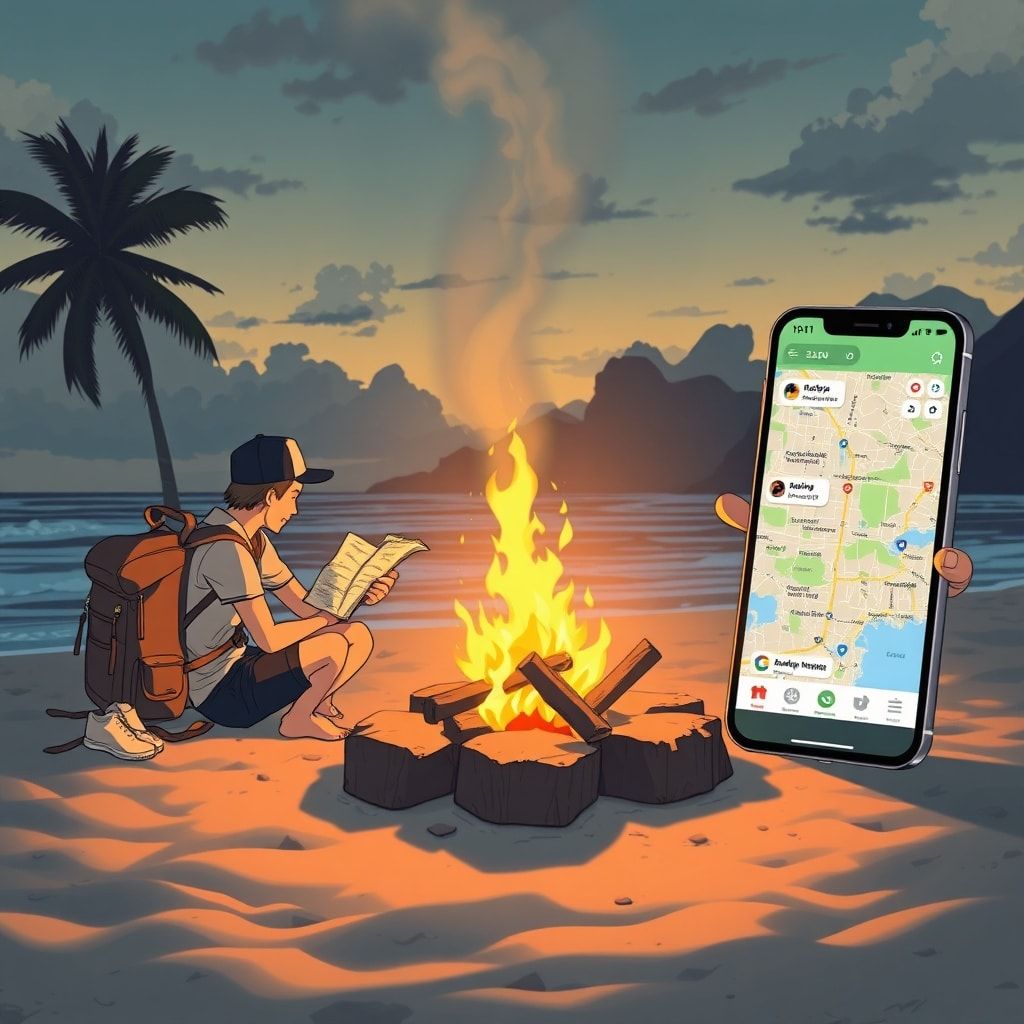
Malaysia’s MY50 Unlimited Travel Pass, priced at a modest RM 50, unlocks a month‑long passport to every LRT, MRT, monorail, BRT, RapidKL bus, and feeder service. This pass is a cornerstone of any Kuala Lumpur budget strategy, as detailed in our guide to hacking the Kuala Lumpur budget. For a foreigner armed with a Touch ‘n Go card, this means you can hop from the iconic Petronas towers to the historic streets of Chinatown without ever pulling out cash. The pass’s 30‑day consecutive validity dovetails perfectly with a 9‑day itinerary, letting you pay once and ride endlessly. official project page details the fare structure, confirming that the pass supersedes single‑journey tokens, which are distance‑based and printed on the spot. Complementary options like the MyCity 1‑Day Pass (RM 15, includes RM 5 stored value) and 3‑Day Pass (RM 25, includes RM 20 stored value) offer flexibility for those who might only need short bursts of unlimited travel. Concession cards slash fares by 50 % for seniors, students, and OKU, while cash‑fare tokens remain a fallback for occasional trips outside the RapidKL network. Understanding these layers lets the traveler allocate the bulk of the ₹32,000 budget to accommodation and food, rather than bleeding money on transport.
Historical Context: From Backpacker Folklore to Modern Budget Guides
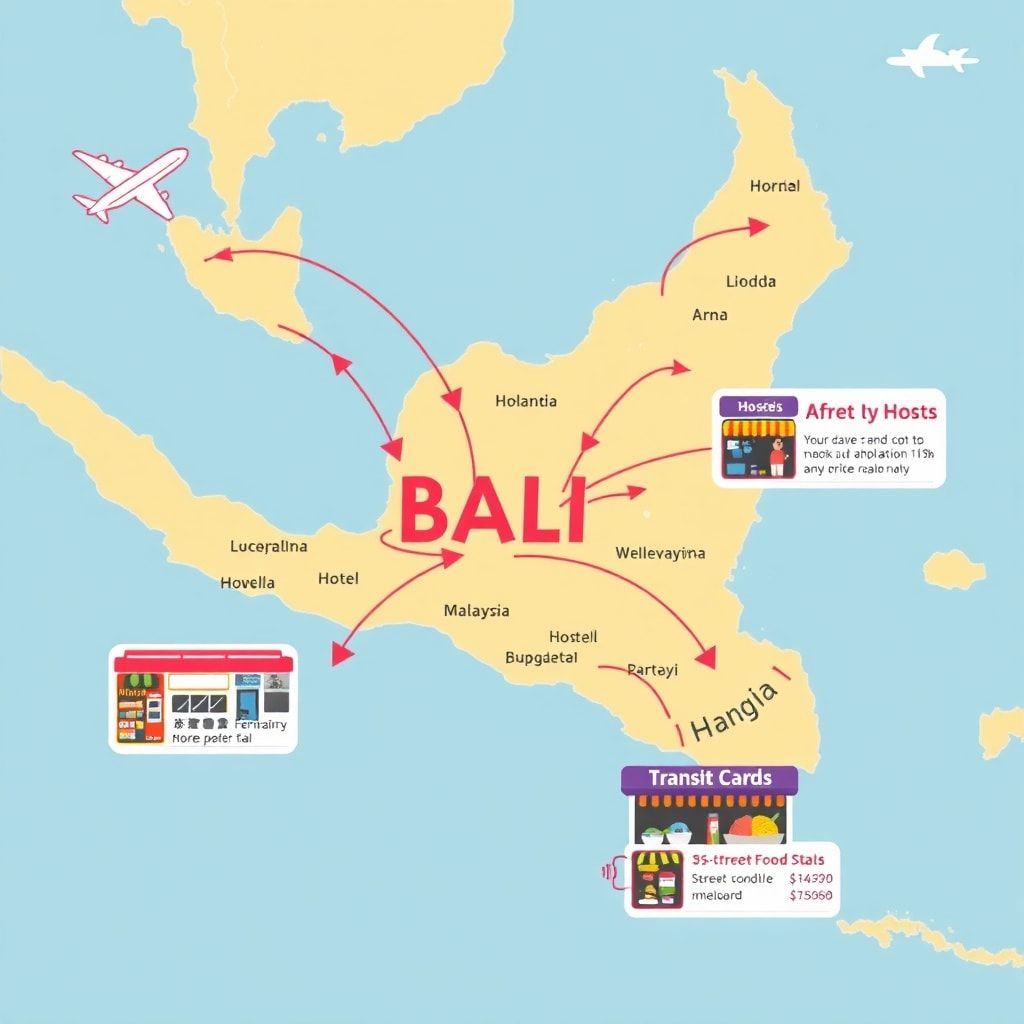
Back in the early 2000s, the archetypal Southeast Asian backpacker relied on printed guidebooks, word‑of‑mouth hostel recommendations, and a battered notebook to chart a Bali‑to‑Kuala Lumpur trek. Those guides often glossed over the nitty‑gritty of public transit, assuming travelers would rent scooters or hire taxis, inflating costs dramatically. Fast forward two decades, and the rise of hyper‑local blogs, real‑time fare APIs, and community‑driven platforms like OtakuNomad have democratized the data. Travelers looking for a proven shoestring plan can refer to our budget itinerary for an 8‑day Bali adventure that mirrors many of the same cost‑saving tactics. Studios of travel content have shifted from glossy magazine spreads to agile, data‑rich articles that dissect every RM and INR. This evolution mirrors the broader media landscape where studios now prioritize SEO‑friendly, keyword‑rich copy—hence the prominence of the phrase “Bali Malaysia budget” in search queries. The modern traveler, armed with a smartphone, can instantly verify that the MY50 pass truly costs RM 50, compare it against a single‑journey token averaging RM 2.50 per trip, and calculate savings in seconds. The transition from anecdotal folklore to quantifiable budgeting reflects a maturing market where transparency is king, and the old guard’s romanticized wanderlust is now tempered by spreadsheet precision.
Technical Crunch: How the Transit Economics Make Your ₹32,000 Stretch

Let’s deconstruct the numbers. A round‑trip budget airline ticket from Delhi to Denpasar (Bali) and back from Kuala Lumpur to Delhi can be sourced for roughly ₹12,000 if booked three months ahead. Accommodation, when opting for 3‑star hostels or guesthouses, averages ₹800 per night in Bali and ₹600 in Kuala Lumpur, totaling ₹12,600 for eight nights. Street food and modest dining add another ₹300 per day, amounting to ₹2,700. That leaves ₹4,700 for intra‑country transport, activities, and a safety buffer. If you’re curious how a similar 9‑day Bali‑only itinerary can be stretched, our detailed 9‑day backpacker breakdown walks you through every expense. For travelers focusing on the Malaysian leg, see our Kuala Lumpur backpacker money‑saving playbook for precise nightly cost breakdowns. Here’s where the MY50 pass shines: unlimited rides for RM 50 (~₹900) cover all urban travel in Kuala Lumpur, while Bali’s local buses and the “Kuta Bus” system cost around IDR 10,000 per ride (~₹5). Assuming ten rides across both islands, that’s a mere ₹50. The remaining ₹3,750 can fund entry fees to iconic sites—Uluwatu Temple, Tanah Lot, Batu Caves—each ranging ₹200‑₹400. By allocating the bulk of the budget to fixed necessities and leveraging unlimited transit, the traveler avoids the hidden expense trap of taxis and ride‑hailing apps, which can easily double transport costs. The arithmetic demonstrates that disciplined use of the MY50 and Bali’s cheap bus network turns a ₹32,000 budget from a pipe dream into a concrete itinerary.
Future Implications of the Bali Malaysia Budget Blueprint
Looking ahead, the Bali Malaysia budget model is poised to become a template for other Southeast Asian corridors. As regional governments continue to digitize fare systems and introduce integrated travel cards—think Singapore’s EZ‑Link merging with Malaysia’s Touch ‘n Go—the frictionless experience will only improve. Moreover, the rise of low‑cost carriers expanding routes between secondary airports could shave another ₹2,000 off flight costs, further stretching the budget. Content creators will likely double down on data‑driven guides, embedding live fare widgets and AI‑generated itinerary optimizers. However, volatility remains: fuel price spikes or policy shifts (e.g., changes to the MY50’s validity) could disrupt the equation, demanding agile re‑planning. Travelers who internalize the budgeting discipline—prioritizing unlimited passes, local eateries, and hostels—will be resilient against such shocks, maintaining the spirit of the original ₹32,000 challenge.
From my two‑decade trek across the anime‑infused world of travel, I’ve seen budgets crumble faster than a cheap ramen broth when tourists ignore the power of a single pass. The MY50 isn’t just a ticket; it’s a manifesto that says you can own a city without selling your soul to ride‑hailing apps. Treat it like a secret weapon, and you’ll navigate Kuala Lumpur’s maze of monorails and buses with the confidence of a seasoned shōnen protagonist.
Don’t be fooled by glossy Instagram reels promising “luxury on a shoestring.” Real savings come from digging into the fine print, swapping a private car for a Touch ‘n Go swipe, and swapping five‑star meals for warung wonders. Keep your eyes on the numbers, your heart on the adventure, and your wallet will thank you long after the plane lands back home.
Related Guides & Further Reading
Check out the Bali Malaysia budget archives.