Ravenna Budget Guide: How to Roam the Mosaic City Without Selling a Kidney
Verified News & Source Context
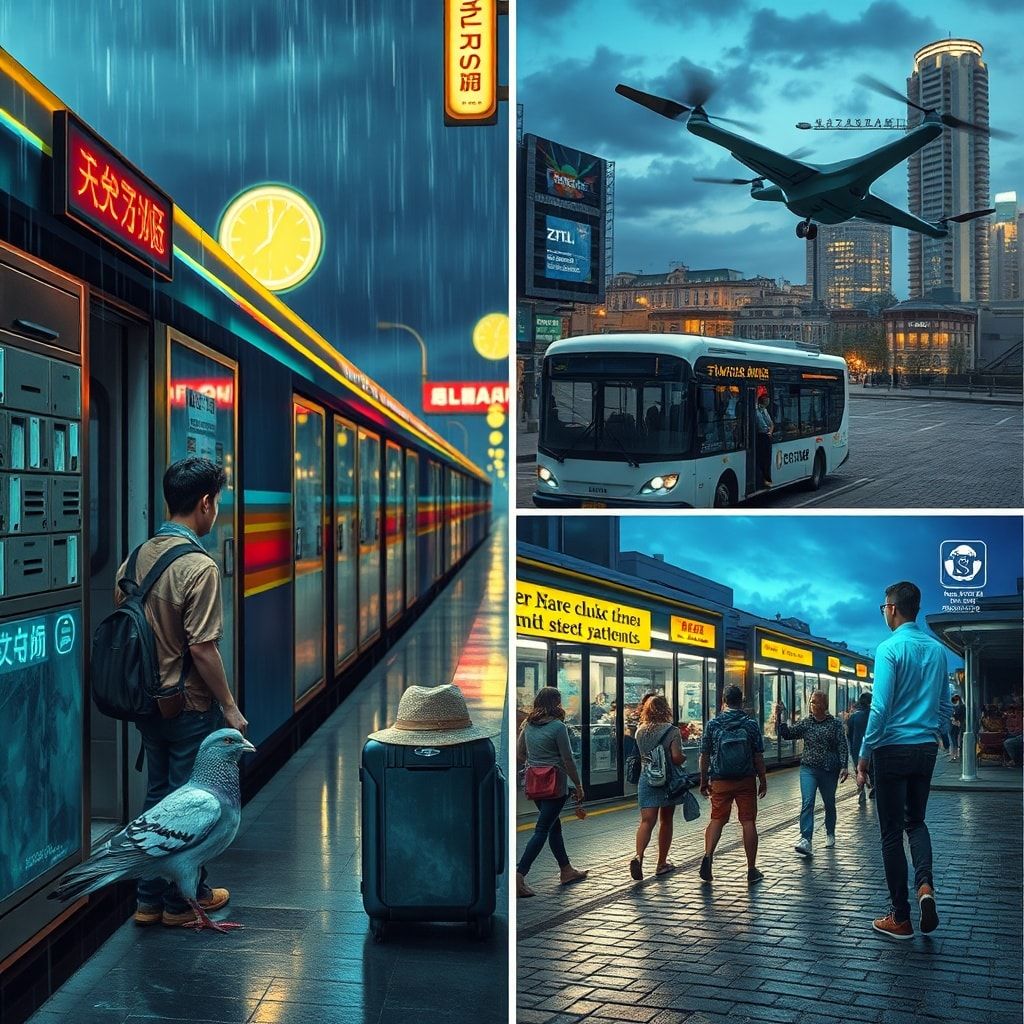
First off, the Ravenna budget guide isn’t just a collection of vague tips scribbled on a napkin – it’s built on hard data from the city’s transport authority. For a full rundown, check out our comprehensive Ravenna budget hub. The DEPOSITO BAGAGLI VELOSTAZIONE VE.RA, tucked on the right side of the railway station at Piazzale Farini, now runs extended hours from March 21, 2026, adding an afternoon slot on Saturdays and a full weekend schedule. Prices are brutally honest: €4 for a small locker for two hours, €7 per day; large lockers cost €6 for two hours, €9 daily. This transparency lets backpackers calculate exact costs versus hostel storage.
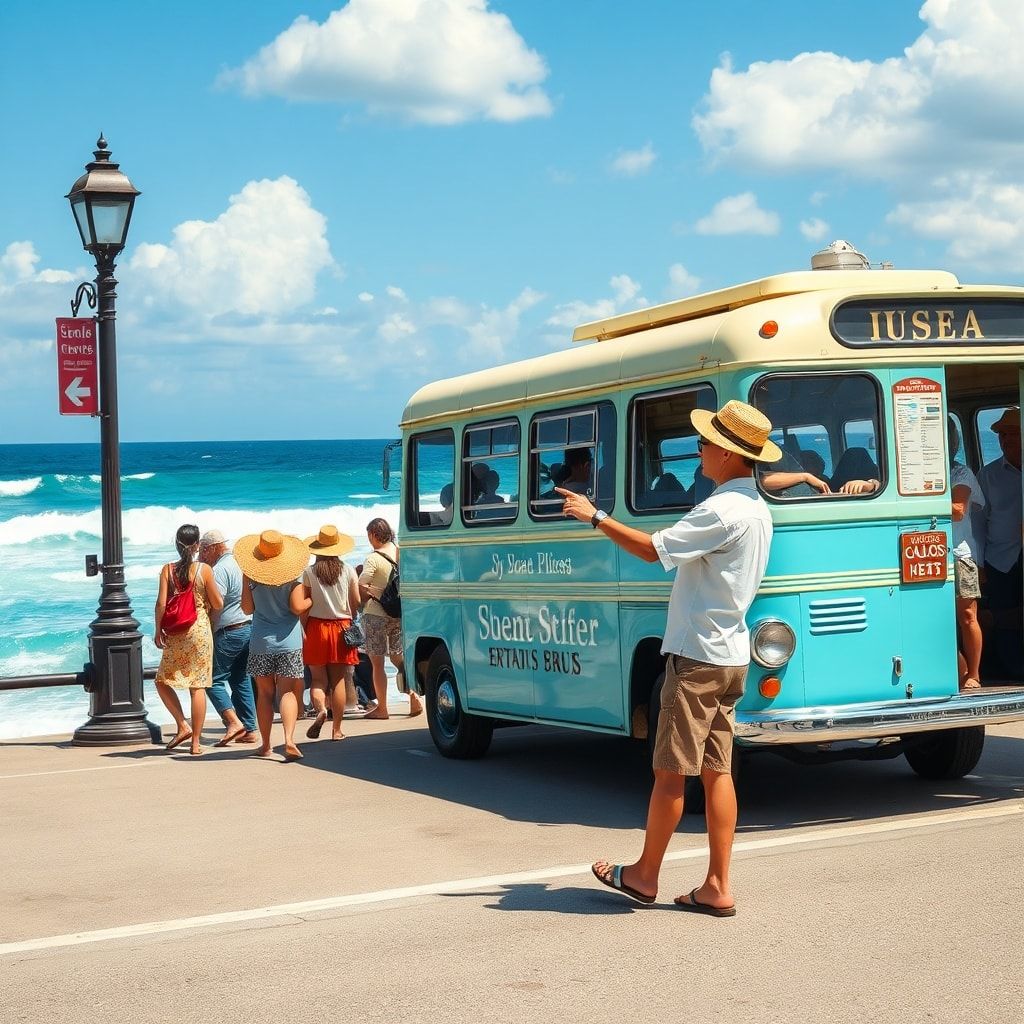
Connecting the historic centre to the sun‑kissed beaches, START ROMAGNA’s FRECCIA BLU bus line offers Route 60 by day and Route 75 by night, both linking the main station to Marina di Ravenna and even the Punta Marina/Lido Adriano stretch. If you prefer to explore on foot, our detailed walking route guide shows how to chase the UNESCO mosaics without breaking the bank. The seasonal NAVETTO MARE shuttle, active from 8 April to 10 September, throws in free parking at Via Trieste and Via del Marchesato on weekends and holidays, plus complimentary rides to the seaside. Tickets are a breeze: swipe a credit card on the StarTap contact‑less system, or grab a digital pass via DropTicket, MooneyGo, or the Roger app.
Finally, the city’s Limited Traffic Zone (ZTL) is a digital minefield. Electronic monitoring means unauthorized cars face hefty fines, so any driver must double‑check the official ZTL timetable before daring to roll into the centre. For the full official rundown, see the official project page.
Ravenna Budget Guide: Historical Context for the Old Guard
Back in the early 2000s, the “Backpacker’s Italy” almanac listed Raven Ravenna as a “hard‑to‑reach” relic, mostly because the city’s transport network was a patchwork of infrequent buses and a chaotic parking nightmare. The old guard of guidebooks relied on word‑of‑mouth and printed timetables that changed faster than a Shōnen protagonist’s power level. Fast‑forward to today, and the city has embraced digitalization, mirroring the broader Italian tourism industry’s shift toward contactless services and real‑time data. This mirrors the evolution seen in Tokyo’s rail system, where QR‑code tickets replaced paper passes, and in Osaka’s ZTL enforcement that moved from manual gates to AI‑driven cameras.
Studio trends in travel publishing have also pivoted. Where once glossy spreads glorified luxury, the modern “budget” niche thrives on granular, hyper‑local intel – exactly the kind of locker pricing and night‑bus routes we see now. The rise of platforms like MooneyGo and Roger reflects a market where millennials and Gen‑Z nomads demand instant, app‑based solutions. In the grand tapestry of Italian backpacking, Ravenna’s transformation from a “forgotten mosaic” to a well‑mapped budget haven is a case study in how infrastructure upgrades can rewrite a city’s narrative.
Technical Crunch: Numbers, Tickets, and Transport Mechanics
Let’s dissect the mechanics. The bag‑drop pricing model follows a tiered structure: a €4 flat fee for a 2‑hour small locker, scaling to €7 for a full day. For travelers hunting even tighter savings, our sister piece shows how to stretch every euro further. For a typical 5‑day stay, a traveler storing a day‑pack each night would spend €35 – a fraction of a hostel’s nightly fee. Large lockers, at €6/2h and €9/day, become viable for groups sharing gear, cutting per‑person cost to €4.50 per day when split three ways.
The FRECCIA BLU bus runs every 20 minutes on Route 60 (06:00‑23:00) and every 30 minutes on Route 75 after 22:00, ensuring nocturnal beach parties aren’t stranded. The NAVETTO MARE shuttle, free on weekends, effectively reduces parking expenses by up to €8 per day for those who’d otherwise pay municipal rates. Ticket acquisition via StarTap eliminates the need for cash, and the contactless swipe logs each passenger’s journey, feeding data back to the city for service optimization.
ZTL enforcement uses ANPR (Automatic Number Plate Recognition) cameras synced with a municipal database. Unauthorized entry triggers an automated email with a €100 fine, payable online. Knowing the ZTL schedule (typically 07:00‑19:00 on weekdays) allows savvy travelers to park just outside the perimeter and walk or bike in, saving both money and stress.
Future Implications for the Budget‑Savvy Backpacker
Looking ahead, Ravenna’s transport ecosystem is poised for a green overhaul. The city council has earmarked funds for electric buses to replace the aging FRECCIA BLU fleet by 2028, which will slash emissions and likely lower ticket prices due to reduced fuel costs. The NAVETTO MARE shuttle could expand its free‑parking model city‑wide, turning Ravenna into a pilot for sustainable tourism in the Emilia‑Romagna region.
Digital integration will deepen. Expect AI‑driven ZTL alerts sent directly to travelers’ smartphones, suggesting alternative routes in real time. The StarTap system may evolve into a unified “Travel Pass” covering lockers, buses, and even museum entries, streamlining budgeting for the frugal nomad. However, increased automation also raises privacy concerns – a point the old‑school backpackers will grumble about while still appreciating the convenience.
Listen up, green‑horns: the moment you think you’ve cracked the Ravenna budget code, the city will throw a new app update at you like a surprise boss battle. The key isn’t just hoarding cheap tickets; it’s mastering the rhythm of the ZTL, timing your locker swaps, and treating the night‑bus like a secret level that drops you at the beach just before sunset. Miss a slot and you’ll be paying for a hostel night you could’ve saved with a well‑timed shuttle.
And don’t get cozy thinking the “free parking” gimmick will last forever. Municipal budgets love to tighten their belts, and tomorrow’s tourist tax could turn those complimentary spots into premium, pay‑per‑use zones. Stay ahead of the curve, keep an eye on the city council’s press releases, and always have a backup plan – whether it’s a bike rental or a couch‑surfing contact. That’s the veteran’s mantra: expect the unexpected, and never let a ZTL fine ruin your espresso budget.
Related Guides & Further Reading
Check out the Ravenna budget guide archives.