Montenegro Spring Showdown: How a 4‑Day Budget Blitz Beats Every Euro‑Trip
When the first crocuses pierce the snow‑melted soil, the lure of Montenegro Spring becomes impossible to ignore. Before you set off, explore our comprehensive Montenegro Spring hub and our Kotor budget guide for route ideas and budget tips. Travelers with a shoestring budget stare at the map, wondering if they can chase Adriatic blues without blowing their savings. The stakes? a four‑day sprint that could either cement your wanderlust cred or leave you stranded on a dusty bus stop.
Montenegro Spring Logistics: Airports, Roads, and Rails Unpacked
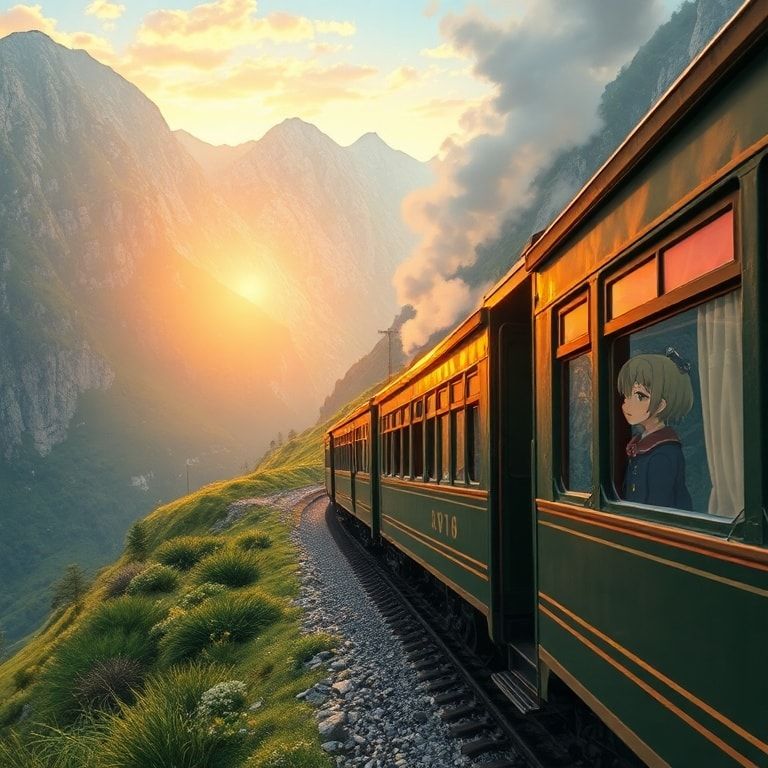
Podgorica International Airport (IATA: TGD) sits a modest 12 km southeast of the capital, acting as the primary gateway for spring arrivals. Its proximity means a quick taxi ride—roughly 20 minutes—gets you into the city’s buzzing cafés where locals sip strong espresso while the mountains still wear their winter caps. Meanwhile, Tivat Airport (IATA: TIV) is a mere 4 km from the coastal hub of Budva‑Kotor, shaving precious travel time for beach‑bound adventurers eager to dip toes into the warming Adriatic. The country’s road network stretches over 5,277 km, with the Sozin tunnel in Bar offering the fastest conduit from inland Podgorica to the sun‑kissed coast; this tunnel is a game‑changer for spring road trips, cutting hours off the drive and letting you chase sunrise on the beach. On rails, Montenegro’s 327.72 km railway links Podgorica to Bar and Nikšić, and even connects onward to Serbia and Albania—an economical alternative for budget travelers who prefer the rhythmic clatter of a train over the roar of a bus. For those hopping between towns, you’ll find our detailed shoestring budgeting tips in How to Conquer Montenegro on a Shoestring useful. All these transport arteries converge on a single online hub: official project page, which aggregates schedules, fares, and real‑time updates, making the logistics of a Montenegro Spring trek surprisingly painless.
Old Guard Trails: How Past Balkan Journeys Shape Today’s Itinerary
Looking back a decade, the classic Balkan backpack routes were dominated by overland bus odysseys that lingered in hostels for weeks. Those itineraries prized cultural immersion over speed, often ignoring the efficiency of modern infrastructure. Today’s Montenegro Spring itinerary flips that script: it leverages the upgraded Sozin tunnel and the revitalized rail line—both products of EU‑funded upgrades in the early 2020s—to compress travel time without sacrificing scenic value. The old guard’s love for the coastal towns of Budva and Kotor remains, but now they’re accessed via a swift 45‑minute drive from Tivat Airport, a stark contrast to the 3‑hour bus rides of yesteryear. Moreover, the rise of budget‑friendly digital ticket platforms like BusTicket4.me mirrors the broader industry shift toward on‑demand, app‑based travel planning, a trend that began in Western Europe and has seeped into the Balkans. Studios producing travel documentaries have also caught on, swapping grainy handheld footage for drone‑captured panoramas that showcase Montenegro’s spring bloom. This evolution reflects a market that now values time‑efficiency, high‑definition visuals, and sustainable transport—elements that the old backpacker playbook never prioritized.
Technical Crunch: Budget Mechanics, Transport Stats, and Scenic Design
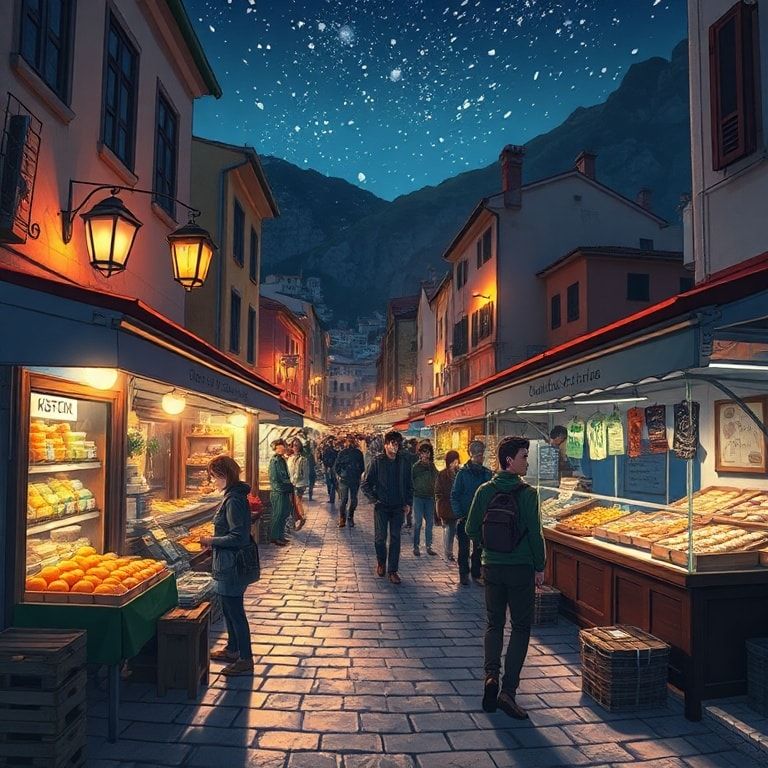
From a numbers‑cruncher’s perspective, a Montenegro Spring adventure can be broken down into three core budget pillars: airfare, ground transport, and daily subsistence. If you’re curious why this season is touted as the cheapest thrill ride in the Balkans, check out our deep dive on why Montenegro spring is the cheapest thrill ride. A low‑cost carrier flight into TIV during March‑April averages €70‑€120, while Podgorica’s TGD sees similar fares but with a slightly higher baggage fee. Once on the ground, the Sozin tunnel reduces the Podgorica‑Budva leg from 120 km to a 90‑km sprint, shaving roughly €5 in fuel and cutting travel time by 45 minutes—a tangible win for the cash‑strapped traveler. The rail line, priced at €8‑€12 per segment, offers a scenic alternative that doubles as a cultural experience; the train’s panoramic windows frame the spring‑green valleys, turning transit time into sightseeing time. Bus tickets hover around €5 for inter‑city hops, and the online platform often provides discounts of up to 15 % for early bookings. Daily meals can be kept under €15 if you stick to local bakeries and “kafana” eateries, where a hearty bean stew (čorba) and fresh bread stretch your euros. Accommodation ranges from €20 hostels to €45 boutique rooms; booking a shared dorm in Kotor during the shoulder season guarantees a bed and a view of the bay. Layered on top of these figures is the intangible value of Montenegro’s spring scenery—lavender fields, blooming almond trees, and crystal‑clear waters—that boosts the perceived return on investment far beyond the raw numbers.
Future Implications: Sustainable Travel and the Next Spring Wave
The success of a budget‑focused Montenegro Spring itinerary signals a broader shift toward sustainable, short‑duration travel in the Balkans. As climate‑concerned millennials prioritize low‑carbon footprints, the country’s investment in rail electrification and tunnel efficiency positions it as a green corridor for European backpackers. Future tourism boards may double‑down on promoting spring as the optimal window—when crowds are thin, wildflowers are abundant, and energy consumption for cooling is minimal. This could spawn a new wave of micro‑itineraries, each lasting 3‑5 days, that stitch together niche experiences like vineyard tours in the Ćemovsko field or eco‑hikes in the Prokletije mountains. Moreover, the rise of digital nomad visas across the region could extend the spring surge into summer, turning short‑term visitors into long‑term contributors to the local economy. However, the influx must be managed; overtourism could strain the fragile coastal ecosystems that make Montenegro’s spring so alluring. Stakeholders will need to balance promotional zeal with conservation policies, perhaps by instituting visitor caps on popular bays or incentivizing off‑beat inland stays.
Listen up, green‑horns: the moment you think you’ve cracked the Montenegro Spring code, the country will throw a new tunnel, a fresh rail timetable, or a pop‑up festival at you. The Balkan travel game is a living, breathing beast that thrives on your complacency. If you’re not constantly scanning the official project page for updates, you’ll end up stuck in a 2018‑era bus schedule while everyone else is sipping coffee on a sun‑drenched terrace that didn’t exist when you booked.
My two‑cents? Treat every spring trip like a tactical RPG—budget your moves, level up your transport options, and always keep a side‑quest (like a hidden waterfall or a local cheese‑making workshop) in reserve. The real treasure isn’t just the turquoise Adriatic; it’s the smug satisfaction of out‑smarting the system, proving that a shoestring can stretch farther than a designer suitcase. Keep your eyes on the horizon, your wallet tight, and your anime‑style wanderlust blazing.
Related Guides & Further Reading
Related Guides & Further Reading
Check out the Montenegro Spring archives.