Kotor Budget Guide: How to Conquer Montenegro’s Jewel on a Shoestring
Dreaming of sailing into a postcard‑perfect bay without selling a kidney? The Kotor budget guide is your passport to a Mediterranean‑kissed adventure that won’t bankrupt your ramen fund. For a deeper dive, check out our comprehensive Kotor budget guide hub. Check out our Montenegro Spring hub for a broader view of the country before you set sail. Buckle up, because the stakes are high: one mis‑step and you’ll be paying Dubrovnik‑level prices for a night in a hostel that smells like fish‑market regrets.
Verified News & Source Context for the Kotor budget guide

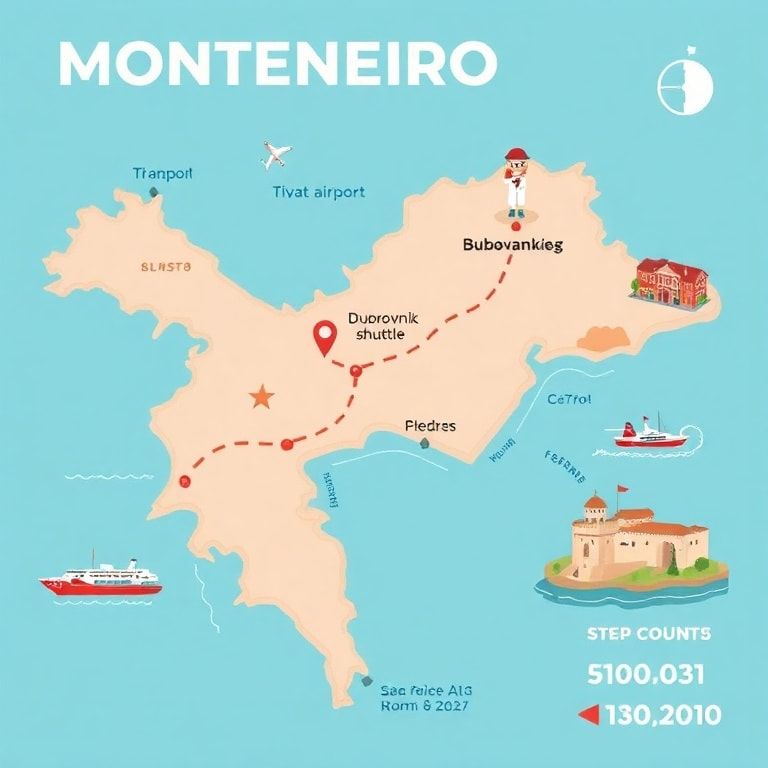
First, let’s ground the fantasy in hard data. The nearest international gateway is Tivat Airport, a sleek 13 km stretch that translates to roughly 20 minutes by car to the Old Town’s cobblestones. This proximity is a game‑changer: you dodge the 2‑hour bus ride from Podgorica and land directly on the Bay of Kotor, the only Montenegrin airport hugging the coastline. The official project page confirms a 15‑minute drive to the town centre, meaning you can trade a night of airport limbo for a night in a budget hostel with a sea view.
If you’re crossing borders from Croatia, the private shuttle from Dubrovnik Airport to Kotor sits at a modest €80 per vehicle. Compared to the €150‑plus you’d shell out for a private taxi, this is the most economical over‑land option for the frugal wanderer. The shuttle runs on a shared schedule, so you’ll meet fellow backpackers, exchange tips, and maybe even snag a discount on the next leg of your journey. For those who want to squeeze every cent, our extreme budget version shows how to explore Kotor without selling a kidney.
San Giovanni Fortress looms 280 m above sea level, accessed via a stairwell of 1,360 steps. While the climb is a cardio workout, the payoff is a 360° vista that makes every sweaty breath worth it. Finally, the local ferry line that criss‑crosses Kotor Bay operates year‑round, but expect traffic snarls in mid‑July to mid‑August when tourist boats jam the narrow channels. Knowing these seasonal quirks lets you time your ferry rides for off‑peak windows, saving both time and a few euros on last‑minute tickets.
Old Guard Perspective: Historical Context of Balkan Budget Travel
Back in the early 2000s, the Balkans were the dark horse of European backpacking. Travel guides were thin, internet forums were nascent, and the notion of a “budget guide” was a whispered secret among nomadic souls. Kotor, then a sleepy fishing village, was largely overlooked in favor of Dubrovnik’s fortified walls or the party scene of Budva. The first wave of budget travelers relied on word‑of‑mouth and the occasional hostel flyer stuck to a lamppost.
Fast forward to 2026, and the landscape has mutated into a hyper‑connected ecosystem. Platforms like Hostelworld, Rome2Rio, and even TikTok influencers churn out real‑time pricing, route hacks, and hidden‑gem recommendations. Yet, the core ethos remains unchanged: stretch every euro, soak up culture, and avoid tourist traps. The evolution mirrors the broader shift in travel media—from glossy brochures to data‑driven micro‑content. Studios of travel vloggers now treat each destination like a franchise, releasing “seasonal episodes” that dissect transport costs, food prices, and night‑life options.
What’s fascinating is the parallel between Kotor’s rise and the resurgence of “slow travel” narratives. While early guides glorified the hustle of hopping from one city to another, today’s budget guides champion lingering over a coffee in a centuries‑old piazza, savoring the local cheese, and hiking up to a fortress for sunrise. This old‑guard perspective reminds us that the soul of travel isn’t in the flash of a cheap flight but in the stories you collect along the cracked stone alleys.
Technical Crunch: Numbers, Routes, and Logistics

Let’s dissect the numbers like a seasoned mecha pilot analyzing a battle mech’s stats. First, transport: Tivat Airport’s proximity slashes ground‑transfer costs to an average of €5 for a shared minibus, versus €20‑€30 for a private taxi. If you’re arriving via Dubrovnik, the €80 shuttle splits among 4‑6 passengers, dropping the per‑head cost to €13‑€20. Add a 2‑hour bus from Podgorica (≈€12) for those who opt for the capital’s cheaper flights, and you have a clear cost hierarchy.
Accommodation in Kotor’s Old Town ranges from €12‑€18 per night in dormitory‑style hostels, while a private room in a guesthouse nudges €30‑€45. Booking platforms show a 15% discount for stays longer than three nights, a crucial tip for budget travelers aiming to minimize nightly expenses. Food costs are equally transparent: a hearty burek with coffee averages €3, while a seafood platter at a mid‑range konoba runs €12‑€15. Street‑food stalls and local markets can shave another €5‑€7 off your daily meals.
Now, the ferry: a single‑cross ticket costs €4 in low season, spiking to €6‑€7 during peak summer. Since the ferry operates hourly from 7 am to 9 pm, you can schedule a morning crossing to avoid the notorious mid‑July traffic jam. The 1,360‑step climb to San Giovanni Fortress burns roughly 120 calories; for the calorie‑conscious traveler, it doubles as a free cardio session with a panoramic reward. All these data points converge into a spreadsheet that, when summed, shows a 4‑day budget itinerary hovering around €250‑€300, inclusive of transport, lodging, meals, and activities. If you want the broader context, our ultimate Montenegro Spring budget guide walks you through stretching euros across the whole country. For a side‑by‑side cost comparison, see our Montenegro Spring showdown that demonstrates how a focused 4‑day sprint can beat a typical Euro‑trip.
Future Implications & The Veteran’s Take on the Kotor budget guide
Looking ahead, Kotor is poised to become a case study in sustainable tourism. The Montenegrin government’s recent pledge to cap daily visitor numbers in the Old Town and invest in electric ferry fleets signals a shift toward preserving the bay’s fragile ecosystem while still courting the budget‑conscious crowd. For the savvy nomad, this translates into new opportunities: eco‑hostels offering discounted rates for travelers who pledge to offset their carbon footprint, and community‑run bike‑share programs that replace costly car rentals. If you’re curious why Montenegro Spring is hailed as the cheapest thrill ride you’ve never heard of, see our analysis.
Moreover, the rise of “micro‑itineraries” – ultra‑short, hyper‑focused travel bursts – could see Kotor featured in 48‑hour pop‑up travel packages marketed to Gen Z digital nomads. These packages will likely bundle the shuttle from Dubrovnik, a night in a boutique hostel, and a guided night‑time hike to San Giovanni Fortress, all for under €150. The implication? The Kotor budget guide will evolve from a static list of tips into a dynamic, algorithm‑driven tool that updates prices in real‑time, integrates user‑generated reviews, and even predicts ferry congestion using AI.
Don’t be fooled by glossy Instagram reels that promise instant gratification. Real budget travel in Kotor demands patience, a willingness to navigate ferry queues, and the humility to ask locals for the best cheap‑eat spots. In my 20‑year odyssey, the only thing that’s remained constant is that the most valuable currency is curiosity. So pack that curiosity, leave the ego at home, and let the Kotor budget guide be your compass – you’ll come back richer in stories than any bank account could ever reflect.
Related Guides & Further Reading
Check out the Kotor budget guide archives.