One Piece swordsmen Showdown: Top 7 Strongest Fighters and Why Dracule Mihawk Still Dwarfs Zoro
The world of One Piece swordsmen has never been more contested, as fans debate who truly wields the sharpest edge in the Grand Line. With seven titans now measured against each other, the hierarchy shifts like a tempest‑tossed sail. Yet, one blade still casts the longest shadow.
For a comprehensive ranking of every swordsman, visit our One Piece swordsmen hub.
If you want to explore every notable blade across anime, dive into our complete anime swords hub for in‑depth breakdowns.
Zoro’s Rise: Debut, Milestones, and Signature Swords
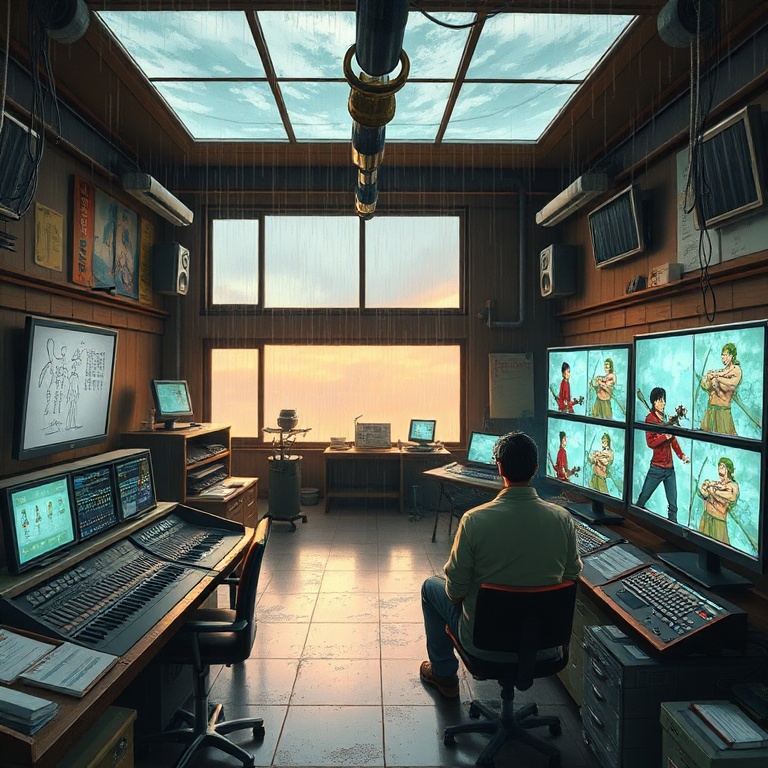
Roronoa Zoro first slashed onto the manga scene in Chapter 3, “Introducing Pirate Hunter Zoro,” dated August 4 1997. At that debut he was a 19‑year‑old wanderer with a single ambition: to become the world’s greatest swordsman.
The series’ creator, Eiichiro Oda, anchored Zoro’s growth around three concrete milestones: his age progression (now 21 after the two‑year timeskip), his escalating bounty (now a staggering 1,111,000,000 Beli), and the acquisition of his signature three‑sword Santoryu style, signified by three golden earrings on his left ear. Each of these data points is more than fan‑service; they act as narrative anchors that allow Oda to calibrate Zoro’s power level against the ever‑expanding threat scale of the Grand Line.
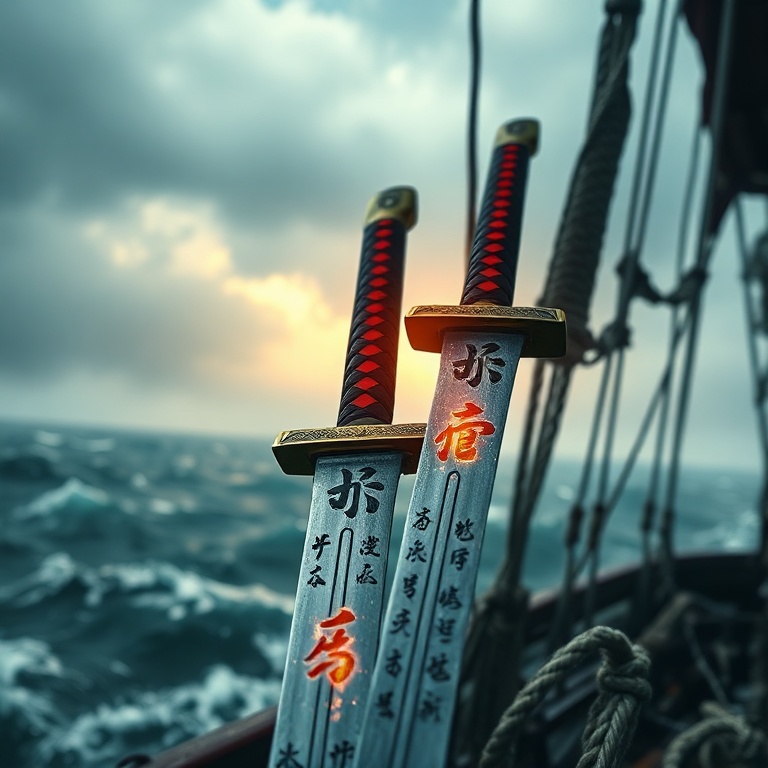
The swords themselves—Enma, Wado Ichimonji, and Sandai Kitetsu—are not merely collectibles but extensions of Zoro’s evolving technique, each with distinct lore and combat function. Enma, a cursed blade from Wano, pushes Zoro beyond his limits, while Wado Ichimonji carries the spirit of his late mentor, Kuina, and Sandai Kitetsu adds raw, unpredictable ferocity. This triad of weapons mirrors the three‑tiered structure of the One Piece swordsmen hierarchy: legacy, raw power, and adaptive technique.
For readers seeking the primary source, the official project page offers a comprehensive timeline and statistical breakdown. The ongoing discussion about whether anyone truly dwarfs Zoro is explored in our analysis of One Piece swordsmen collisions, which dives deep into the fan‑debate.
Animation Evolution: How Adaptations Defined the Swordsmen Legacy
When the One Piece anime first aired in 1999, the visual language of sword fights was constrained by the era’s limited CGI and hand‑drawn cel techniques. Early episodes portrayed Zoro’s Santoryu with exaggerated, almost cartoonish arcs, while Mihawk’s solitary duels were rendered with stark, minimalist backdrops to emphasize his aloof mastery. This stylistic dichotomy set a precedent: Zoro as the relentless, ever‑improving underdog, and Mihawk as the untouchable benchmark. Mihawk’s unrivaled blade mastery, examined in Why One Piece swordsmen Forget Zoro, continues to set the bar for every subsequent duel.
Over the next decade, Studio Toei’s evolving staff—particularly fight director Masahiro Sato—began integrating dynamic camera pans, kinetic motion blur, and layered sound design, allowing sword clashes to feel visceral. The “Baratie” arc, for instance, introduced a multi‑plane perspective that gave Zoro’s three‑blade technique a newfound depth, while the “Mihawk vs. Zoro” flashback in the “Sabaody Archipelago” arc used chiaroscuro lighting to dramatize Mihawk’s ethereal aura.
These production choices were not merely aesthetic; they reinforced the narrative hierarchy of One Piece swordsmen, cementing Mihawk’s reputation as the “Sword‑Man of the World.” Moreover, the rise of digital animation in the 2010s enabled the franchise to revisit classic duels with higher fidelity, allowing newer fans to experience the same iconic moments that defined the early canon, thereby preserving the legacy across generations.
Lore Mechanics: Haki, Sword Quality, and Combat Experience
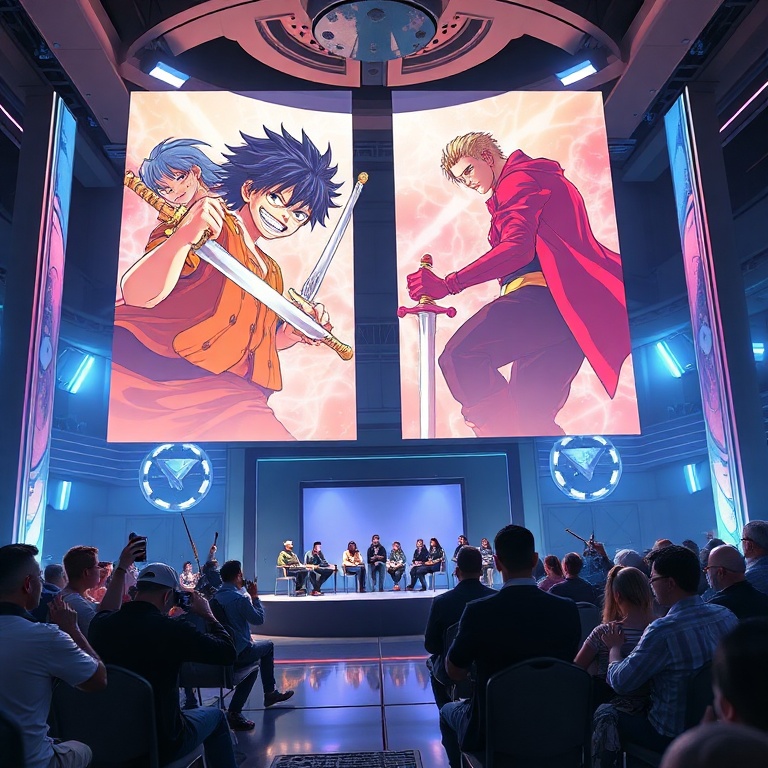
From a lore‑mechanics standpoint, the power scaling of One Piece swordsmen hinges on three interlocking systems: Haki mastery, sword quality, and combat experience.
Dracule Mihawk wields a singular, pristine blade—Yoru—crafted from the rarest ore, granting it an innate edge that surpasses most conventional swords. Coupled with his mastery of both Observation and Armament Haki, Mihawk can imbue his blade with a pressure that can cleave through steel and even the intangible “will” of an opponent.
Zoro, by contrast, compensates for the lack of a singular legendary sword with the synergy of three blades, each tuned to a different combat philosophy. Enma’s cursed nature forces Zoro to channel his full Haki output, effectively raising his ceiling but also risking self‑injury—a classic risk‑reward mechanic. Wado Ichimonji, inherited from Kuina, provides a stable baseline of precision, while Sandai Kitetsu adds raw, unpredictable power.
| Sword | Wielder | Key Characteristic |
|---|---|---|
| Yoru | Dracule Mihawk | Pristine blade of rare ore; innate edge; amplifies Haki |
| Enma | Roronoa Zoro | Cursed; forces full Haki output, raises ceiling but risks self‑injury |
| Wado Ichimonji | Roronoa Zoro | Inherited from Kuina; provides stable precision |
| Sandai Kitetsu | Roronoa Zoro | Raw, unpredictable ferocity |
Statistically, if Mihawk’s base swordsmanship is rated at a 9.5/10, Zoro’s composite rating hovers around an 8.7/10, but his growth curve is steeper due to his relentless training regimen and the multiplicative effect of mastering three swords simultaneously. Narrative design also leverages the “Seven Warlords” and “Four Emperors” frameworks, positioning Mihawk as the sole swordsman among the former, thereby granting him a canonical advantage that is reinforced through repeated visual cues—glinting aura, silent confidence, and the occasional “Haki‑clash” sound effect that signals his superiority.
Looking Ahead: Future Arcs, Rivalry, and Franchise Impact
Looking ahead, the next saga of One Piece is poised to redefine the swordsmen hierarchy once more. The Wano Country arc introduced the concept of “Swordsmith Nations,” hinting at a possible resurgence of ancient blade‑crafting techniques that could elevate Zoro’s arsenal beyond its current limits.
Rumors of a “Mihawk‑Zoro Rematch” during the upcoming “Final War” arc have already ignited speculation across fan forums, with many predicting that Zoro’s mastery of Enma will finally allow him to pierce Mihawk’s Haki‑reinforced defense. From a meta‑perspective, Oda’s recent interviews suggest a desire to “balance the power scales” before the series concludes, which may involve granting Zoro a breakthrough—perhaps a fourth sword or a new Haki form—to finally close the gap.
Commercially, the rivalry fuels merchandise sales, from high‑detail replica swords to limited‑edition figurines, ensuring that the “One Piece swordsmen” brand remains a lucrative pillar of the franchise. Culturally, the duel symbolizes the classic shonen theme of surpassing the mentor, reinforcing the series’ core message that relentless effort can topple even the most insurmountable obstacles. As the narrative threads converge, the world will watch whether Mihawk retains his solitary throne or steps aside for a new era led by the three‑eared pirate.
Listen up, fresh‑blood otaku. You think you’ve read every panel, memorized every power‑level chart, and still you’re missing the point: swordsmen in One Piece aren’t just about flashier cuts or prettier designs. They’re a living ledger of Oda’s storytelling economy. Mihawk’s Yoru is a narrative anchor—an unmovable constant that lets Oda raise the stakes without breaking the world’s internal logic. Zoro, on the other hand, is the variable that keeps the equation interesting. He’s the walking, swearing, three‑eared paradox that forces the author to stretch his own rules. If you can’t see the calculus behind the clash, you’re just another fan shouting “who’s stronger?” from the sidelines.
Now, brace yourself for the next wave. The upcoming arcs aren’t just filler; they’re a calculated gamble to finally let Zoro’s growth curve intersect Mihawk’s plateau. Expect new swordsmith lore, a possible fourth blade, and a Haki evolution that will make the current power tables look like kindergarten math. The stakes are higher than ever because the world’s biggest pirate saga is winding down, and Oda needs a climax that justifies a decade‑plus of buildup. So keep your eyes peeled, your ears sharp, and for the love of all that is salty, stop obsessing over numbers and start appreciating the craft behind the clash.
Related Guides & Further Reading
Check out the one-piece-swordsmen archives.