Cracking the India Backpacker Budget: How to Stretch Every Rupee for 30 Days of Chaos
Dreaming of a month‑long odyssey across India without selling a kidney? The India backpacker budget is the holy grail for anyone who wants to taste street‑food fireworks, crash in mud‑house hostels, and still have cash left for a last‑minute trek. But if you think you can wing it on a whim, you’ll soon discover that every rupee has a story, and every story demands a plan.
Verified News & Source Context for India backpacker budget
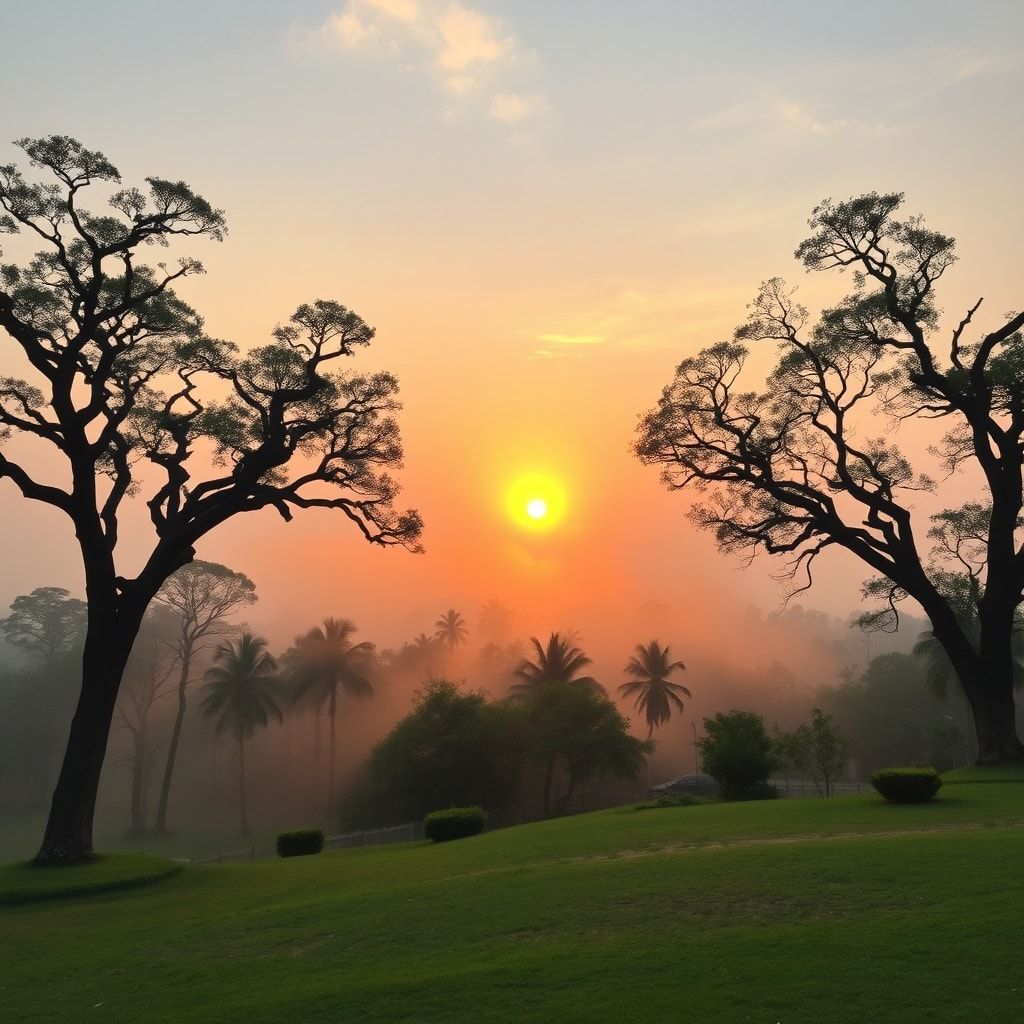
Let’s start with the hard facts that the Incredible India portals dish out. Lalbagh Botanical Garden, a green jewel in Bengaluru, swings its doors wide for free between 06:00‑09:00 am and 18:00‑19:00 pm; outside those windows a modest INR 10 entry fee applies. This means early‑birds can soak up the rose‑laden pathways without denting the wallet, while night‑owls can still catch the sunset for pennies. Adjacent Cubbon Park, on the other hand, is a 24‑hour sanctuary that never asks for a single rupee – perfect for midnight meditation or a lazy afternoon nap under the canopy.
Travelers heading north to the Himalayas encounter a different set of micro‑economics. Old Manali, the bohemian enclave two kilometres from Manali’s bustling Mall Road, charges a flat INR 50 for an auto‑rickshaw ride. It’s a negligible sum, but it illustrates how localized transport can be predictably cheap if you know the routes. Once you’re in the valley, the mud‑house hostel Footloose Camps in Hamta Valley offers a dormitory bed for INR 900 and a private room for INR 2 500. Those rates are a bargain compared to the luxury resorts that pepper the higher‑altitude tourist map, yet they come with the trade‑off of basic amenities and the need to arrange your own shuttle.
Reaching Hamta Valley is a logistical puzzle: there’s no public shuttle to the mud‑house. You either self‑drive the 10 km stretch southeast of Manali or catch a bus to Prini and then haggle for a local jeep. This extra leg adds both time and a modest transport fee, but it also forces the backpacker into the authentic, off‑the‑grid experience that the budget traveler craves. All these snippets are stitched together on the official project page, which serves as the primary source for our cost breakdown.
Historical Context: The Old Guard of Budget Backpacking
Back in the early 2000s, the “India backpacker budget” was a myth whispered in hostel dorms, scribbled on the backs of travel guide pages. Guides like Lonely Planet listed average daily costs at INR 1 200, but those numbers were based on a traveler who ate at dhabas, slept on hammocks, and avoided any “touristy” attractions. The industry then was dominated by print, word‑of‑mouth, and the occasional travel forum post. Hostels were few, often run by expatriates with questionable hygiene standards, and transport relied heavily on shared jeeps and the occasional train berth.
Fast forward to today, and the landscape has mutated into a hyper‑connected ecosystem. Platforms such as Hostelworld, Booking.com, and even Instagram influencers now dictate price points, pushing even budget accommodations to polish their offerings. The rise of “off‑beat” destinations like Hamta Valley reflects a market shift: travelers no longer settle for the well‑trodden Golden Triangle; they crave authenticity, even if it means a rougher ride. This evolution has forced the old guard—those who once sold budget travel as a static, one‑size‑fits‑all package—to adapt, offering tiered pricing, curated experiences, and transparent cost breakdowns that mirror the data we’re dissecting now.
Technical Crunch: Numbers, Hostels, and Hidden Costs

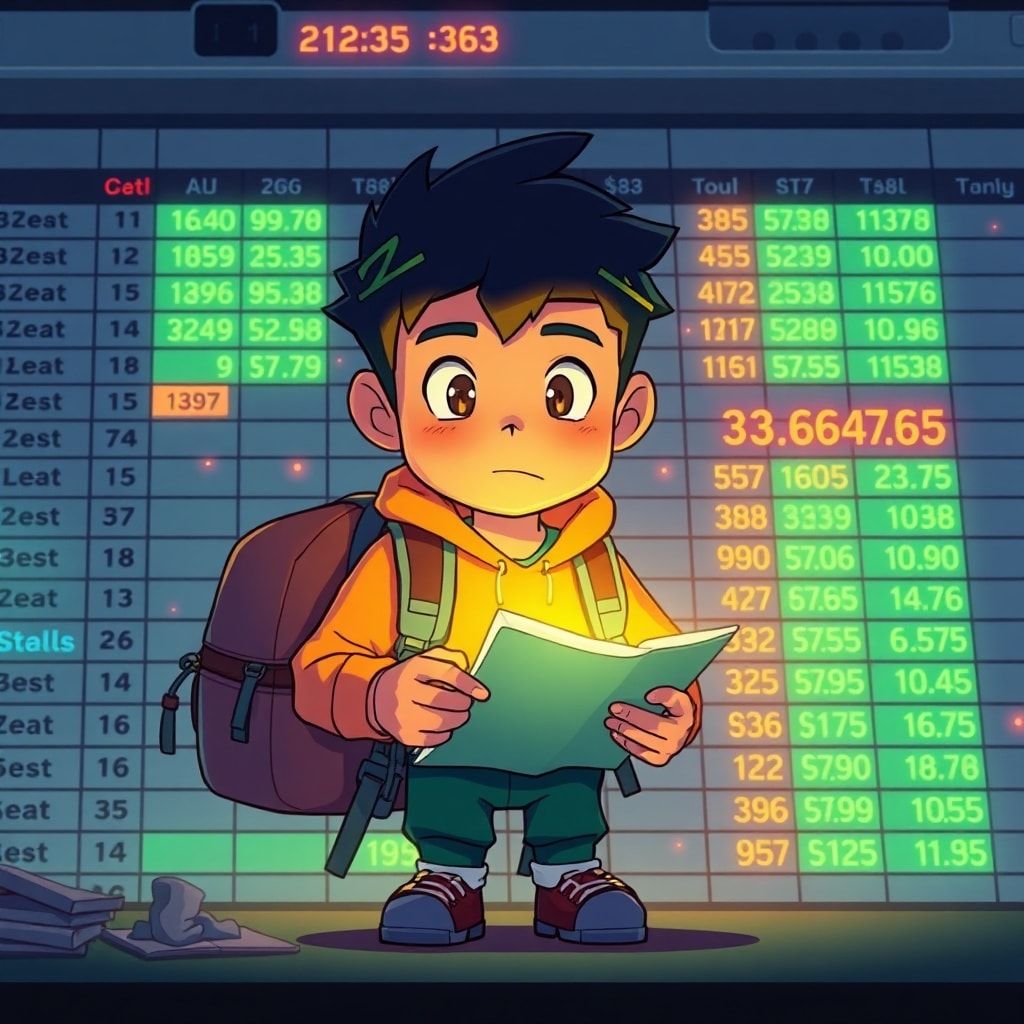
Let’s de‑construct the budget line‑by‑line. Food in Indian cities averages INR 150‑200 per meal if you stick to street stalls—think pani puri, masala dosa, and chai. Assuming three meals a day, that’s roughly INR 600 per day. If you’re curious about how to stretch those numbers further, check out our budget‑stretching guide. Hostels range wildly: in Bengaluru, a decent dorm costs INR 500‑800; in Manali, you can snag a bed for INR 400‑600. For a 30‑day trek, a mixed itinerary of city and mountain stays averages INR 550 per night, totaling INR 16 500.
Transport is the wild card. Inter‑city buses between major hubs (e.g., Delhi‑Bengaluru) run INR 1 200‑1 500; trains can be cheaper but require advance booking. Local rickshaws, auto‑rickshaws, and shared taxis add another INR 200‑300 per day on average. The unique cost of reaching Hamta Valley—auto‑rickshaw to Old Manali (INR 50) plus a private jeep from Prini (≈INR 300)—adds a one‑off INR 350, but you should budget an extra INR 100 for contingency. You’ll find more hidden savings in our budget‑crushing secrets.
Summing it up: food (INR 18 000) + hostels (INR 16 500) + transport (≈INR 9 000) + miscellaneous (visa INR 1 000, entry fees, emergencies ≈INR 3 000) yields a total of roughly INR 47 500 for a month. That translates to about $580 USD at current exchange rates—a figure that feels both shocking and liberating when you compare it to Western backpacking costs. The takeaway? Knowing the exact price of a free‑entry garden at 06:00 am versus a paid ticket at 10:00 am can shave off a few hundred rupees, which, over 30 days, compounds into a healthier cash buffer.
Future Implications of the India backpacker budget
The next decade promises both opportunity and turbulence for the budget traveler. Inflationary pressures and rising fuel costs are already nudging daily expenses upward, while the Indian government’s push for digital nomad visas could open new revenue streams that inflate accommodation prices in popular hubs. However, the same policies also encourage longer stays, meaning the “budget” mindset will evolve into a “smart‑spend” strategy, leveraging longer‑term rentals and co‑living spaces that undercut nightly hostel rates.
On the cultural front, the surge of eco‑tourism and community‑based projects will likely democratize access to remote gems like Hamta Valley. Expect more organized shuttle services, perhaps subsidized by local NGOs, turning the current private‑transport headache into a streamlined, affordable option. For the veteran nomad, this translates to a shifting landscape where the old tricks—like catching the free‑entry window at Lalbagh—remain valuable, but must be complemented by digital tools, real‑time price alerts, and a willingness to adapt to a market that’s simultaneously becoming more transparent and more competitive.
Listen up, green‑horns: the moment you think you’ve nailed the India backpacker budget, the market will throw a curveball—be it a sudden hike in hostel taxes or a monsoon that shuts down the Prini‑to‑Hamta jeep route. My two decades on the road taught me that the only reliable metric is flexibility. Pack a spare pair of socks, a portable charger, and a mental checklist of “free‑entry” hacks; they’ll save you more than any fancy travel app ever could.
And remember, the budget isn’t just a number—it’s a philosophy. When you’re haggling over a INR 50 auto‑rickshaw fare in Old Manali, you’re not just saving cash; you’re buying a story you’ll retell in smoky hostel bars for years. So keep your eyes on the rupee, but never lose sight of the sunrise over Lalbagh or the mud‑scented air of Hamta Valley. Those are the real dividends of a well‑crafted backpacking budget.
Related Guides & Further Reading
Check out the india backpacker budget archives.