The Ultimate Showdown: Ranking the Best Anime Series of All Time
The world of anime is a battlefield where legends clash for the coveted title of Best Anime Series. Fans argue, critics tally, and streaming numbers roar, but only a handful truly transcend the noise. In this deep dive, we separate hype from heritage, laying out the ultimate ranking.
1. Attack on Titan
Production & Visual Evolution
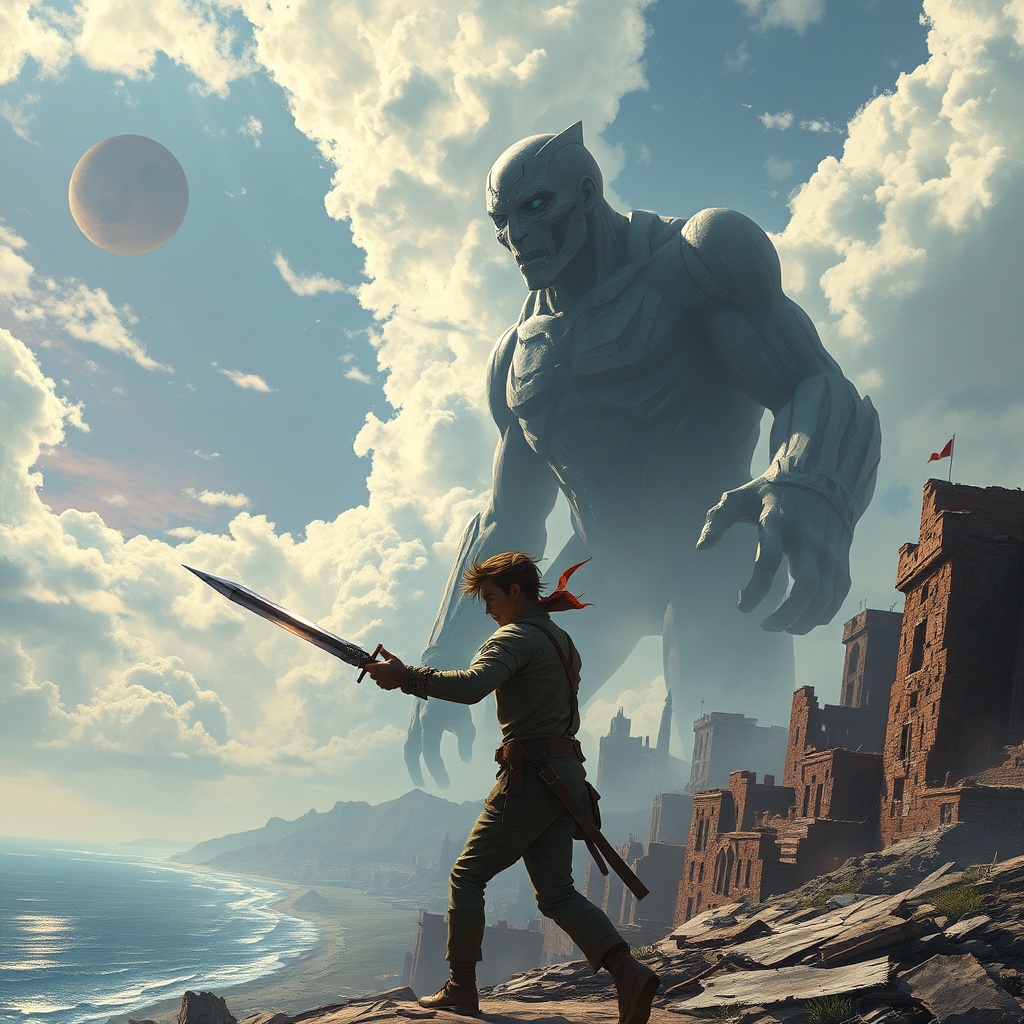
Attack on Titan, a dark fantasy that premiered in 2013 under Wit Studio, introduced a grim world where humanity fights for survival behind towering walls. Its shift to MAPPA in later seasons brought a visual overhaul, sharpening the brutal choreography that fans now expect.
Impact
Attack on Titan captured massive viewership while pushing the medium’s artistic and narrative boundaries.
2. Fullmetal Alchemist: Brotherhood
Production & Narrative Depth
Fullmetal Alchemist: Brotherhood, produced by Bones in 2009‑2010, delivered a tightly plotted alchemical odyssey that finally honored its manga source, earning universal acclaim for its thematic depth and character arcs.
Impact
The series captured massive viewership while pushing the medium’s artistic and narrative boundaries.
3. Cowboy Bebop
Production & Stylistic Innovation
Cowboy Bebop, Sunrise’s 1998‑1999 space western, blended jazz‑infused scores with existential storytelling, setting a template for genre‑bending series.
Impact
The series captured massive viewership while pushing the medium’s artistic and narrative boundaries.
4. Neon Genesis Evangelion
Production & Psychological Complexity
Neon Genesis Evangelion, a 1995‑1996 mecha masterpiece from Tatsunoko Production and Gainax, shattered the genre with psychological trauma and religious symbolism, influencing countless successors.
Impact
The series captured massive viewership while pushing the medium’s artistic and narrative boundaries.
5. One Piece
Production & World‑Building
One Piece, Toei Animation’s ongoing fantasy comedy since 1999, has become a cultural institution, its world‑building and emotional stakes growing richer with each arc.
Impact
The series captured massive viewership while pushing the medium’s artistic and narrative boundaries.
Legacy of Classic Anime on Current Rankings
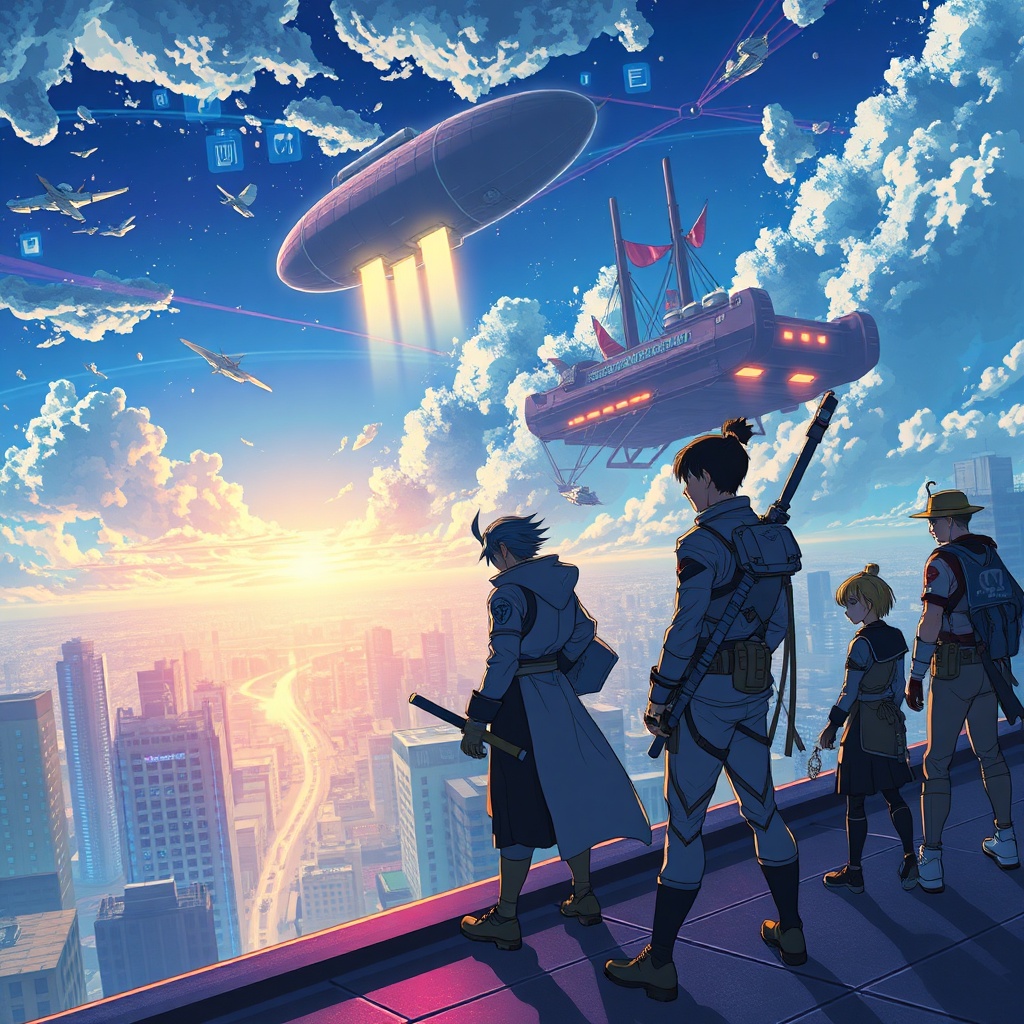
To understand why the current list feels inevitable, we must travel back to the Old Guard of anime that laid the groundwork. In the 1970s and 80s, studios like Toei and Mushi Production churned out heroic sagas such as Mobile Suit Gundam and Lupin the Third, establishing the serial format that modern shōnen relies upon.
The transition from hand‑drawn cel animation to digital ink‑and‑paint in the late 1990s opened new color palettes, evident in Cowboy Bebop’s fluid motion and Neon Genesis Evangelion’s stark contrasts. Staff migrations also matter: many of Bones’ key animators previously cut their teeth on Sunrise’s mecha titles, bringing a kinetic energy that later defined Fullmetal Alchemist: Brotherhood’s battle sequences.
Meanwhile, the rise of streaming platforms in the 2010s democratized access, allowing Attack on Titan to become a global phenomenon overnight, a shift unimaginable during the VHS era. Market shifts toward binge‑watching forced studios to tighten pacing, a lesson learned from the tightly‑scripted arcs of Brotherhood versus the sprawling, sometimes meandering, early One Piece episodes.
These historical currents—technological upgrades, talent cross‑pollination, and distribution revolutions—explain why the contemporary ranking feels both a tribute and a rebellion against its ancestors.
Technical Craft Behind the Top Series
The technical prowess behind each entry reveals why they stand apart in the Best Anime Series hierarchy.
Attack on Titan’s use of 3‑D maneuver gear required intricate rigging, blending traditional key‑animation with motion‑capture to convey the dizzying aerial combat that defines its signature set‑pieces.
Fullmetal Alchemist: Brotherhood’s alchemical transmutations rely on layered compositing, where each element—glowing sigils, shattered stone, and character expressions—must sync to the series’ musical leitmotif, creating an almost synesthetic experience.
Cowboy Bebop’s soundtrack, composed by Yoko Kanno, is woven directly into the storyboard, meaning each cut is timed to a jazz phrase, a technique that elevates the narrative rhythm beyond dialogue.
Evangelion’s psychological depth is mirrored in its sound design; the infamous “A.T. Field” hum and discordant strings amplify the characters’ inner turmoil, while its mecha designs borrow from real‑world aerospace engineering, grounding the surreal in plausible physics.
One Piece’s world‑building thrives on a modular design system: each island follows a template of cultural motifs, yet the art direction injects unique flora, architecture, and weather patterns, keeping the series fresh after two decades.
Understanding these production mechanics—rigging, compositing, sound‑story integration, engineering realism, and modular art pipelines—shows that the Best Anime Series are not just stories, but engineering marvels that push the medium’s limits.
Future Outlook for Anime’s Flagship Series
Looking ahead, the legacy of these titans will shape the next wave of anime innovation.
Attack on Titan’s conclusion leaves a narrative vacuum that studios may fill with darker, morally ambiguous epics, while MAPPA’s success could inspire more mid‑series studio switches, a risky but potentially rewarding gamble.
Fullmetal Alchemist’s faithful adaptation sets a benchmark for future manga‑to‑anime projects, urging creators to respect source material while still injecting original flair.
Cowboy Bebop’s recent live‑action remake, despite mixed reception, proves that classic series can be reimagined across media, prompting studios to explore hybrid formats like VR‑immersive episodes.
Evangelion’s influence persists in psychological thrillers, suggesting a resurgence of series that blend mecha action with existential dread, perhaps even integrating AI‑generated scripts to deepen character introspection.
One Piece’s ongoing saga hints at a future where long‑running series become transmedia ecosystems, spawning games, novels, and theme park attractions that keep fans engaged for generations.
As the industry leans into global co‑production and AI‑assisted animation, the bar for what qualifies as the Best Anime Series will rise, demanding not just compelling narratives but also cutting‑edge technology and cross‑cultural resonance.
Listen up, green‑horns: the moment you think you’ve nailed the formula for a “Best Anime Series” is the exact second the market throws a curveball. Studios gamble on staff swaps, budget cuts, and streaming algorithms that love nothing more than a surprise twist. You’ll see a beloved franchise get a fresh coat of digital paint, but the soul? That’s a fragile thing, often lost in the shuffle of deadlines and merch deadlines. My two decades on the road taught me that the only constant is change, and the only guarantee is that the next big hit will be the one that refuses to play by anyone’s rules.
Don’t be fooled by hype‑driven polls or glossy trailers. The real power lies in how a series weaves its lore into the very fibers of its production—rigging, sound design, narrative pacing. When a studio finally embraces AI‑assisted animation, you’ll either witness a renaissance or a cheap imitation. Keep your eyes on the studios that dare to experiment, the directors who still storyboard on napkins, and the fans who scream “sub‑only!” at midnight. Those are the ingredients that turn a good show into a legend worthy of the Best Anime Series throne.
Check out the best-anime-series archives.