Why the Munich Walking Route Is the Cheapest 4‑Hour Adventure You’ve Been Missing
If you think Munich is only about beer halls and Oktoberfest, the Munich walking route will slap you awake with a four‑hour sprint through history, culture, and cheap eats. In just 240 minutes you can hop from the iconic fish fountain to the bustling Viktualienmarkt, all without draining your wallet or your stamina. Grab your sneakers, a tip jar, and a pinch of curiosity, because this itinerary proves that the best travel hacks are free—or at least tip‑only.
Verified News & Source Context
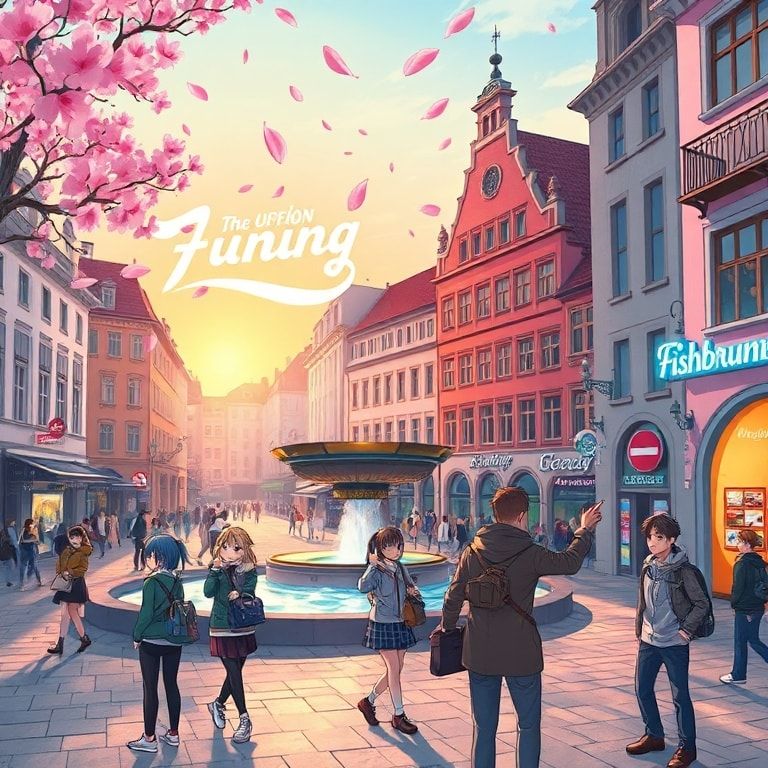
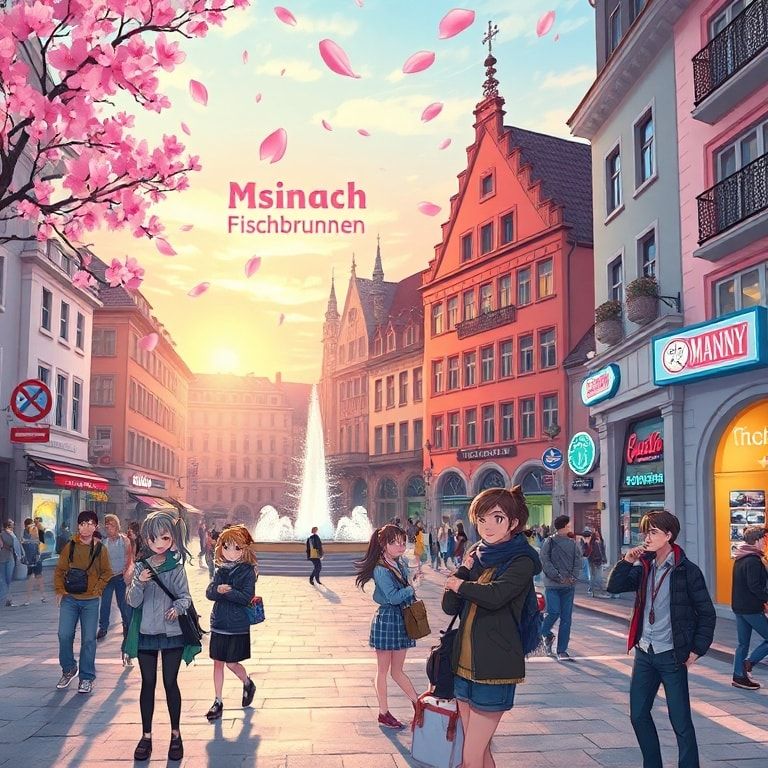
The city’s official free‑walking initiative, Explora Munich, launches its tour at the fish fountain on Marienplatz (48.1351 N, 11.5810 E) every day at 10:45 am, stretching to a 2.5‑hour stroll that ends with a brief coffee break. The “tip‑only” model suggests a minimum of €10, but the guide’s charisma often earns more, especially when you’re a loud‑talking anime fan. No reservation is needed, yet the group cap of eight forces you to arrive early or risk being turned away. A close competitor, Todo Tours, mirrors the schedule at 10:30 am from the same marble column, also demanding a €10 tip and shunning larger parties. For those willing to part with cash, Radius Tours offers a polished 2.5‑hour paid walk from their office near Hauptbahnhof (48.1405 N, 11.5584 E) at €18.50 for adults, with student discounts and a summer‑only 14:00 slot. Munich Walk Tours, the most traditional of the lot, charges €20 (or €18 for seniors) for a two‑hour circuit that departs at 10:40 am and includes a stop at the New Town Hall’s tourist desk. All these options converge on Marienplatz, the city’s transit hub, where S‑Bahn lines S1‑S8 and U‑Bahn lines U3/U6 whisk you to the Viktualienmarkt in under five minutes. For the full schedule and official details, visit the official project page.
Historical Context of Munich Walking Route
Guided tours in Munich have been a staple since the post‑war boom of the 1950s, when bus‑based “sightseeing circuits” promised a panoramic view of the city for a modest fee. Those early excursions relied on printed pamphlets, a charismatic driver, and a rigid itinerary that rarely deviated from the major landmarks: Frauenkirche, Residenz, and the Hofbräuhaus. The 1990s saw a shift toward smaller, pedestrian‑focused groups as travelers craved authenticity, prompting the rise of “walking tour” companies that emphasized storytelling over transportation. Europe’s free‑tour movement exploded in the early 2000s, inspired by the success of “free” models in cities like London and Barcelona, where guides earned their living through voluntary contributions. Munich, with its dense historic core, was a natural adopter; the city’s tourism board even subsidized pilot programs to test the tip‑only concept. Today’s Munich walking route is the culmination of that evolution: a hybrid of the old‑school guide’s depth and the modern traveler’s demand for flexibility, all wrapped in a budget‑friendly package. The proliferation of multilingual guides, the integration of smartphone translation apps, and the growing emphasis on sustainable, low‑impact tourism have cemented the walking route as a staple for both first‑time visitors and seasoned otaku nomads alike.
Technical Crunch: How the Munich Walking Route Operates
At its core, the Munich walking route is a logistical puzzle solved by precise timing, geographic clustering, and a simple economic model. Starting point: Marienplatz’s Fischbrunnen (48.1351 N, 11.5810 E), a central node reachable by every major S‑Bahn and U‑Bahn line, guaranteeing a steady influx of tourists every five minutes. From there, the guide leads a compact group of up to eight people along a 2‑kilometer loop that weaves through the New Town Hall, the Glockenspiel, and the historic Viktualienmarkt. Assuming an average walking speed of 4.5 km/h, the core trek consumes roughly 27 minutes, leaving ample buffer for storytelling, photo stops, and the mandatory coffee break. The tip‑only system eliminates upfront costs, but the suggested €10 minimum translates to an effective hourly rate of €22, comparable to a mid‑range restaurant meal. Paid alternatives like Radius Tours add a professional veneer—uniformed guides, printed maps, and optional audio equipment—while charging €18.50, which covers insurance, marketing, and a modest profit margin. Public transport connectivity further reduces ancillary expenses: a single‑ticket day pass costs €7.80, granting unlimited rides to the market, the English Garden, and back to the hotel. In sum, the route’s design maximizes value by clustering attractions within walking distance, leveraging free public transit, and employing a flexible payment structure that lets travelers decide the worth of the experience.
Future Implications for Budget Travelers
Looking ahead, the Munich walking route is poised to evolve alongside emerging tech and shifting traveler expectations. Augmented‑reality overlays could soon let participants point phones at the Frauenkirche and see a 3‑D reconstruction of its frescoes, turning a static guide narrative into an interactive museum. Post‑pandemic health concerns have spurred demand for small‑group, outdoor activities, reinforcing the tip‑only model’s resilience; travelers now prioritize safety and authenticity over glossy packaged tours. Sustainability initiatives are gaining traction—guides encourage reusable bottles, and some operators test carbon‑offset contributions built into the suggested tip. For budget‑conscious nomads, these trends mean more value‑added experiences without inflating the price tag. The rise of “micro‑itineraries” on Instagram and TikTok lets savvy travelers cherry‑pick the best segments—like the market’s pretzel stall and a hidden courtyard behind the Residenz—and stitch them into a custom half‑day adventure. As cities worldwide adopt similar free‑tour ecosystems, Munich’s model may become a benchmark for balancing fiscal accessibility with cultural depth.
And don’t be fooled by the polished paid tours that promise “exclusive insights.” In my two‑decade wanderings, I’ve seen that a passionate volunteer can out‑shine a corporate‑sponsored guide any day, especially when they throw in a secret shortcut to a hidden courtyard where locals sip Weissbier at sunset. So, keep your tip jar modest, your curiosity massive, and remember: the best stories are the ones you collect on foot, not the ones you buy on a bus.
Check out the Munich walking route archives.
Check out the Munich walking route archives.