Why These 7 Beastly Beasts Earn the Crown as the Best Monster Races Anime Ever
If you’ve ever wondered which fantastical foes truly define anime’s imagination, the answer lies in the best monster races anime have ever birthed. These seven races don’t just populate worlds—they shape narratives, economies, and even fan cultures. Ignoring them is like skipping the main quest in a dungeon crawl.
Goblin Slayer: Production Timeline and Media Reach
The Goblin Slayer anime television series ran from October 7 2018 to December 22 2023, delivering a gritty 24‑episode saga that cemented goblins as one of the most iconic monster races in recent anime. Season 1, crafted by White Fox, introduced a stark visual style that emphasized the brutal reality of low‑level monster hunting, while Season 2’s shift to Liden Films brought a subtle polish without diluting the core darkness.
The franchise’s expansion continued with the 2020 feature film Goblin Slayer: Goblin’s Crown, an 85‑minute deep‑dive that explored the political ramifications of goblin infestations on frontier towns. Parallel to the screen, the original light novel has amassed 16 volumes, and the manga adaptation spans 17 tankōbon, both reinforcing the lore’s depth and the goblin race’s cultural resonance. Production‑wise, the hand‑over between studios highlighted industry fluidity, where talent pools migrate, yet thematic continuity persists—a testament to the franchise’s solid narrative foundation. For a full dive, visit the official project page.
Impact on Monster‑Race Portrayal in Anime
When Goblin Slayer debuted, the anime landscape was already saturated with monster‑centric series—from the elemental Pokémon to the digital beasts of Digimon. Yet, those earlier franchises treated monsters primarily as collectible companions or episodic antagonists. Goblin Slayer inverted this paradigm by positioning goblins as a socio‑economic plague, demanding strategic eradication and moral contemplation. This shift mirrored a broader industry trend in the late 2010s, where studios like White Fox began embracing darker, more mature themes, moving away from the shōnen‑centric monster‑collecting formula that dominated the previous decade.
Staff evolution also played a role: director Kazuhiro Kobayashi’s background in horror manga infused the series with visceral tension, while Liden Films’ later involvement introduced refined CGI integration, reflecting the sector’s gradual adoption of hybrid animation pipelines. Market shifts toward streaming platforms further amplified the series’ reach, allowing niche monster lore to find global audiences hungry for depth beyond surface‑level battles. Thus, Goblin Slayer not only redefined goblins but also signaled an era where monster races could serve as narrative linchpins rather than mere backdrop.
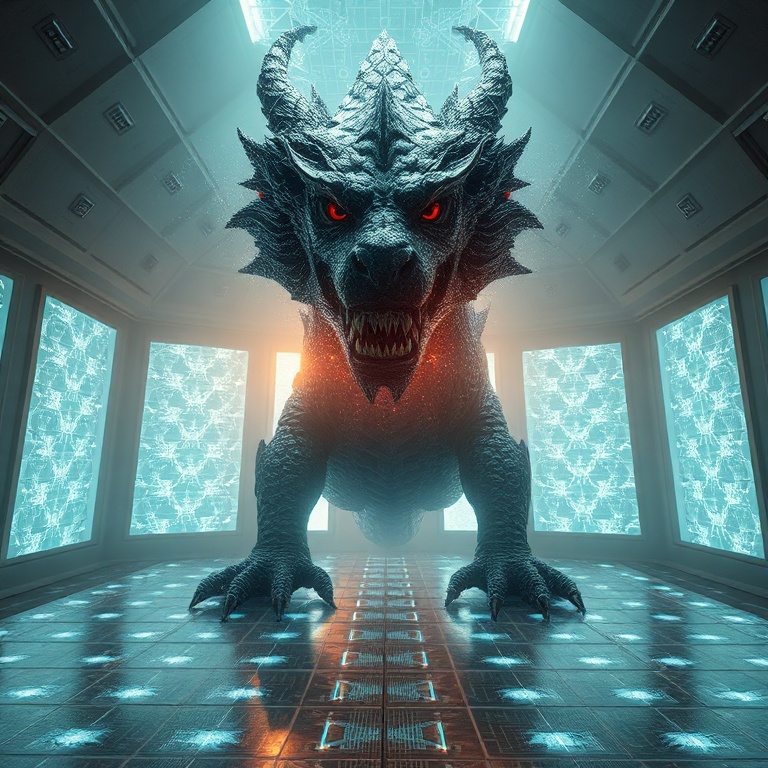
Design and Lore Mechanics of Goblins
Delving into the goblin race’s mechanics reveals a meticulous blend of folklore and game‑like statistics. In the light novels, goblins possess a low CR (Challenge Rating) of 1/8, yet their pack tactics grant them a collective threat level comparable to a CR 3 encounter, illustrating how swarm dynamics amplify individual weakness. Production designers leveraged this by animating hordes with layered motion‑capture rigs, ensuring each goblin’s erratic movement contributed to a chaotic whole.
The series’ sound design further accentuated their menace: each guttural snarl was mixed with low‑frequency sub‑bass to evoke a primal fear response in viewers, a technique borrowed from horror cinema. Visually, the goblin armor and weaponry were rendered using a hybrid of hand‑drawn textures and digital shading, allowing for dynamic lighting that highlighted their crude craftsmanship while preserving the gritty aesthetic. Narrative structure also mirrors tabletop RPG sessions; episodes often begin with a “quest board” exposition, transition into tactical planning, and climax with a high‑stakes combat sequence, reinforcing the race’s role as both obstacle and catalyst for character development. This layered approach demonstrates why goblins transcend merely being monsters, becoming a study in collective threat design.
Future Directions for Monster‑Race Anime
Looking ahead, Goblin Slayer’s influence is poised to ripple through upcoming anime and multimedia projects. The franchise’s success has encouraged studios to explore other underrepresented monster races—think kelpie‑like water spirits or basalt‑skin golems—as central narrative forces rather than peripheral threats. Spin‑off potential is ripe: a prequel focusing on goblin societal structures could delve into their hierarchy, economy, and even cultural rites, offering fans a richer world‑building experience.
Moreover, the series’ cross‑media presence—light novels, manga, games—sets a template for transmedia storytelling, where each medium expands on the monster race’s lore, fostering a cohesive mythos. Culturally, goblins have seeped into fan art, cosplay, and even tabletop RPG modules, cementing their status as a staple of modern fantasy. However, the risk remains that studios might over‑capitalize, diluting the race’s original grim allure with over‑toned heroics. Maintaining the balance between reverence for the source material and innovative expansion will be key.
Veteran Insight on Goblin Lore
First, let me tell you why most newcomers get goblin lore wrong: they treat it like a cute mascot instead of the blood‑soaked scourge it truly is. The moment a studio tries to sugar‑coat the race, you’ll see viewership dip faster than a goblin’s morale after a failed raid. The gritty realism that made Goblin Slayer a benchmark for monster‑centric storytelling is what keeps the audience’s pulse racing, not some fluffy side‑quest fluff.
Second, the industry’s chasing the next “best monster races anime” trend like a pack of starving wolves. If they keep recycling the same archetypes without digging deeper into cultural mythos, we’ll end up with a stagnant pool of half‑baked creatures that never bite. Real innovation comes from respecting the darkness, the politics, and the raw survival instincts that define these races. So, buckle up, or you’ll be left behind in the dust of a collapsed dungeon.
Check out the monster races archives.
Check out the monster races archives.