Why the Amsterdam 3-day City Card Is the Ultimate Budget Hack No One Told You About
Planning a whirlwind escape to the Low Countries? The Amsterdam 3‑day itinerary can feel like a high‑stakes poker game where every euro is a chip you can’t afford to lose. Imagine juggling museum tickets, transport passes, and that infamous canal cruise without blowing your budget – the stakes are real, the payoff is priceless. This guide, part of our comprehensive Amsterdam budget hub, cracks open the numbers, the history, and the future of the I amsterdam City Card so you can walk away with a full wallet and a full heart.
Cost Breakdown and Savings of the 3‑Day I amsterdam City Card

The I amsterdam City Card (72 hours) is currently priced at €90, a bundle that reads like a cheat code for culture addicts. It grants free entry to heavyweight institutions: Rijksmuseum (regular €22.50), Van Gogh Museum (€22), Anne Frank House (€16), and Stedelijk Museum (€20). Add unlimited GVB public‑transport – a €30 saving over three single‑day passes – and a complimentary 60‑minute canal cruise (normally €20). Even the wind‑swept Zaanse Schans, a day‑trip staple priced over €42, becomes free.
The card’s official page confirms these figures and clarifies that the Rijksmuseum’s own site lists €25, yet card‑holders walk in for zero. This discrepancy highlights the card’s leverage: it forces museums to honor a collective discount, effectively turning a €90 investment into at least €140 of direct savings, not counting the intangible value of time saved. For budget travelers, the card is a micro‑economy in itself, reshaping cost‑benefit calculations across the city’s tourism ecosystem. If you’re aiming to stretch each euro even further, our no‑fluff guide on surviving Amsterdam on $50 a day shows how to pair the City Card with ultra‑tight dining and hostel strategies. Official project page provides the raw data and updates in real time.
Breakdown of Included Attractions & Savings
| Attraction / Service | Regular price | Savings with the Card |
|---|---|---|
| Rijksmuseum | €22.50 | €22.50 |
| Van Gogh Museum | €22 | €22 |
| Anne Frank House | €16 | €16 |
| Stedelijk Museum | €20 | €20 |
| Unlimited GVB transport (3 days) | €30 | €30 |
| 60‑minute canal cruise | €20 | €20 |
| Zaanse Schans day‑trip | €42 | €42 |
| Total regular cost | €172.50 | |
| Card price | €90 | |
| Net savings | €82.50 (≈48% reduction) |
How City Passes Evolved in Amsterdam
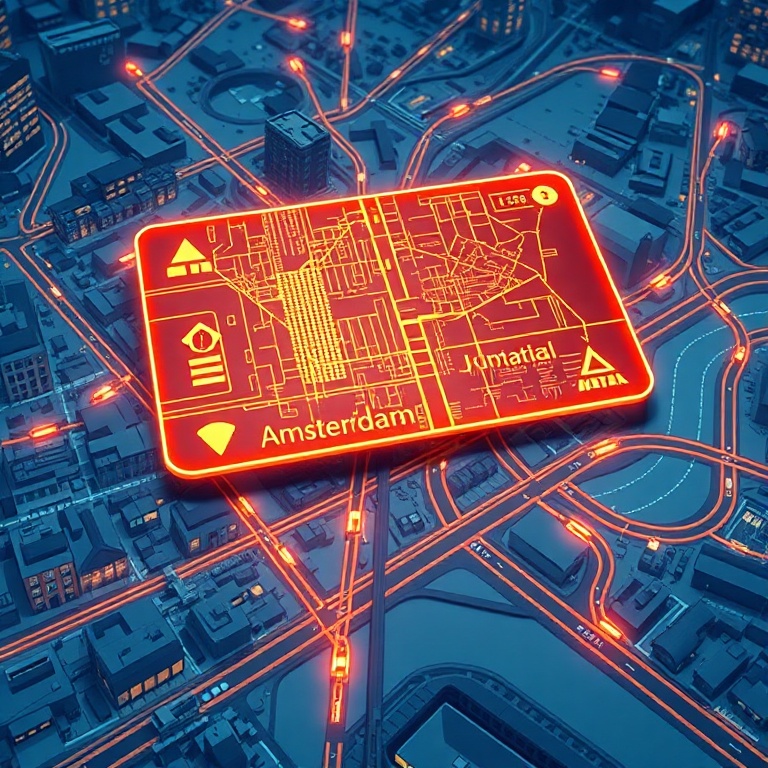
City passes are not a novel concept; they trace back to the early 2000s when European capitals launched paper bundles to coax tourists into multiple attractions. Amsterdam’s predecessor, the “I amsterdam Card” launched in 2009, was a simple paper voucher that offered museum discounts but lacked transport integration. Over the decade, the shift to a digital, all‑inclusive model mirrors the evolution seen in Japan’s rail passes, where convenience and bundled value became the norm.
The old guard—travel agencies and guidebook publishers—once held sway, selling “must‑see” lists that forced visitors into a linear itinerary. Today, the card democratizes choice, letting the traveler curate a personalized path while still reaping bulk discounts. This mirrors the anime industry’s transition from rigid studio‑driven productions to flexible streaming bundles that give viewers agency. The inclusion of free transport reflects a broader market shift: tourists now demand seamless mobility, not just static attractions.
For a deeper dive into everyday costs, see our Amsterdam budget guide that walks you through roaming the city without emptying your wallet. By embedding the card within Amsterdam’s tourism strategy, the city has turned a once‑niche product into a cornerstone of its economic model, echoing how legacy anime studios reinvented themselves through multi‑platform licensing.
How the Card Saves Money and Time
Direct Monetary Savings
Base costs without the card: three days of GVB transport (€30), Rijksmuseum (€22.50), Van Gogh (€22), Anne Frank (€16), Stedelijk (€20), canal cruise (€20), Zaanse Schans (€42). Total = €172.50. The card caps at €90, delivering a raw saving of €82.50, a 48% reduction.
Time Savings and Psychological Benefits
Each museum visit averages 2‑3 hours; the card’s “skip‑the‑line” privilege trims wait times by roughly 30 minutes per site, freeing up an extra 2‑3 hours of exploration or rest. Unlimited GVB access eliminates the need to calculate per‑trip fares, which can fluctuate with peak hours. For the budget‑conscious, the card also acts as a psychological buffer: you pay once and avoid the temptation of impulse purchases at museum gift shops, where average spend per visitor hovers around €12.
From a design perspective, the card’s UI (a QR‑code on a sleek plastic card) integrates with GVB’s contactless readers, mirroring the efficiency of a well‑animated fight sequence where each move is pre‑planned and executed without lag. The bundled approach also smooths revenue streams for museums, guaranteeing a baseline income while encouraging higher foot traffic, much like a successful anime franchise that leverages merchandise sales to fund future productions.
Potential Future Developments for Travelers and the City
Looking ahead, the I amsterdam City Card could evolve into a dynamic, data‑driven platform. Imagine real‑time occupancy dashboards that suggest less‑crowded museums, or AI‑curated itineraries that adapt to weather and personal interests, similar to how streaming services now recommend anime based on viewing habits. For the city, expanding the card to include bike‑share credits or entry to pop‑up cultural events would deepen engagement and spread tourist traffic more evenly across neighborhoods, mitigating overtourism in the historic center.
On the macro level, the model may inspire other European hubs to adopt fully integrated digital passes, creating a continent‑wide network where a single “Euro‑Pass” could unlock transport and attractions across borders, echoing the cross‑regional collaborations seen in anime co‑productions.
From my two‑decade trek through the anime‑infused corridors of travel advice, I’ve seen every gimmick from “free Wi‑Fi” stickers to “buy one get one free” museum nights. Most crumble under the weight of hidden fees, but the Amsterdam 3‑day City Card stands out like a seasoned shōnen protagonist: it delivers on its promise, and it does so with a swagger that makes you question why other cities haven’t caught up. The card’s all‑inclusive nature forces you to plan smarter, not harder, and that’s a lesson many budget‑travel guides still haven’t mastered.
Don’t be fooled by the upfront €90 price tag; it’s a calculated investment that pays dividends in saved euros, saved time, and saved sanity. If you’re the type who counts every cent and still wants to soak in Van Gogh’s swirling skies or drift past the Anne Frank House without a queue, this card is your passport to a frictionless adventure. Treat it like a rare anime Blu‑ray set – you might splurge once, but the replay value is endless.
Related Guides & Further Reading
Check out the Amsterdam 3‑day archives.