Why Mexico City solo Adventures Are the Ultimate Budget Power‑Play for Fearless Women
Venturing into the sprawling heart of Mexico as a lone woman can feel like stepping onto a moving train with no brakes – exhilarating, terrifying, and utterly unforgettable. If you’re mapping your solo route, start with our complete solo‑travel hub for essential tips. The phrase Mexico City solo isn’t just a travel hashtag; it’s a battle‑cry for those who crave culture without the corporate price tag. But before you trade your suitcase for a taco‑filled itinerary, you need to master the city’s pulse, especially its metro, or you’ll end up more lost than a side‑quest in a shōnen anime. For a full breakdown of affordable routes and hidden savings, check out our comprehensive Mexico City budget hub.
Verified News & Source Context: Metro Mechanics That Keep Your Wallet Alive
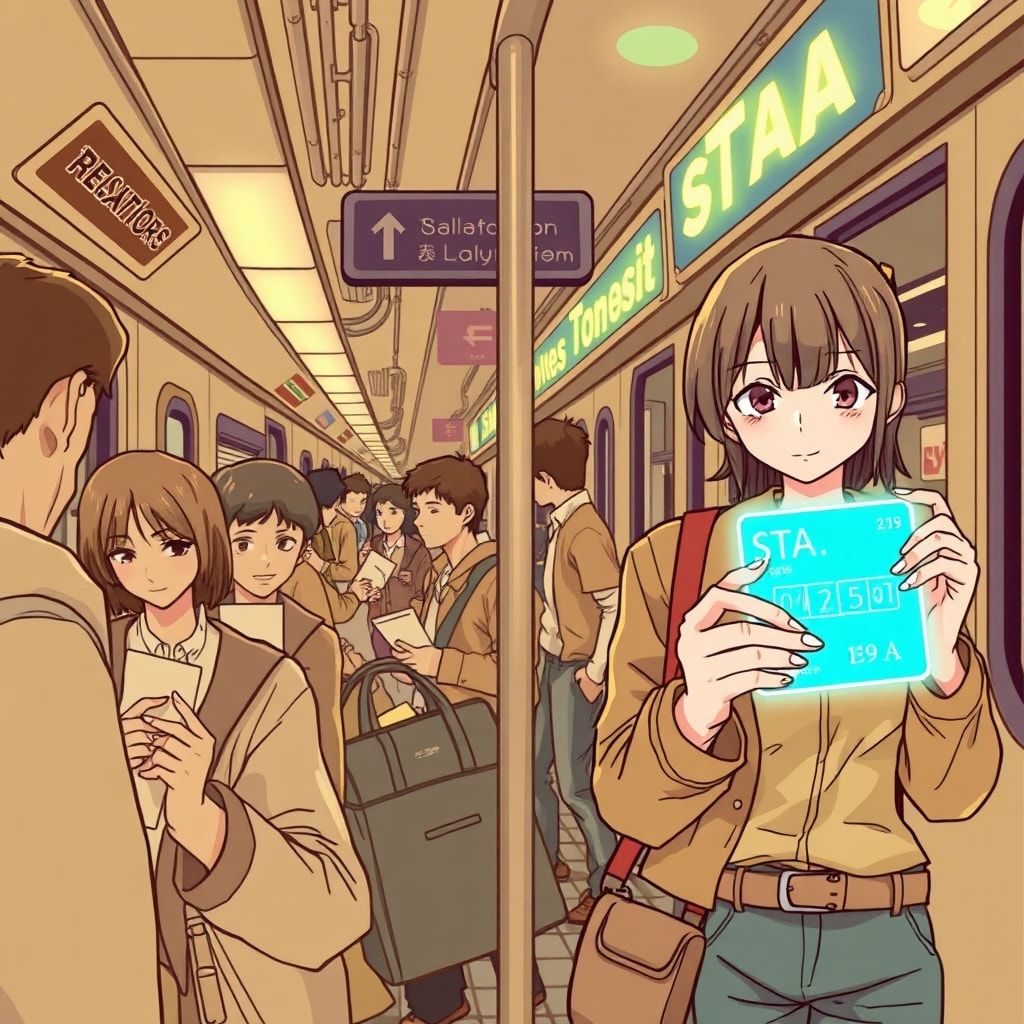
The Mexico City Metro, a leviathan of steel serving over 4 million riders daily, charges a single‑ride ticket of MX $5.00 – roughly US $0.27 – a price that would make even the most frugal otaku smile. Discounted multi‑ride tickets sweeten the deal: two rides for MX $8.50 and three for MX $12.00, effectively shaving off a few centavos per trip and rewarding the repeat commuter. For an in‑depth solo‑female budgeting guide, see our solo female budgeting guide. For the true nomad, the Integrated Mobility Card (STA) is the ultimate power‑up. Priced at MX $20.00, the card must be topped up with at least MX $50.00 before it awakens, but once loaded, it grants seamless access across metros, buses, and even some suburban trains.
Acquiring an STA card is as easy as grabbing a snack at a convenience store – ticket windows, vending machines, OXXO, and 7‑Eleven all stock them, turning the city into a giant vending arcade. Operating hours stretch from the crack of dawn at 5:00 am to the witching hour of midnight, Monday through Saturday; Sundays start a bit later at 6:00 am but still run until midnight. This generous schedule means you can chase sunrise murals in Coyoacán or midnight street‑food hunts in La Merced without fearing a closed line. For a full solo‑female budgeting strategy, check out our no‑nonsense budgeting guide. The data comes straight from the official project page, ensuring you’re not navigating on rumors but on verified municipal intel.
Historical Context: From Paper Maps to Digital Cards – The Old Guard’s Evolution

Back in the 1970s, the Mexico City Metro debuted with a simple paper‑ticket system, a relic that would make any retro‑gaming enthusiast nostalgic for pixelated UI. Those early riders relied on printed maps plastered on station walls – a far cry from today’s real‑time apps that push push‑notifications like quest updates. The transition to the STA card mirrors the broader shift in urban mobility worldwide: from analog to digital, from static schedules to dynamic, data‑driven services.
Studios of the transit authority, once staffed by bureaucratic engineers, have gradually welcomed tech‑savvy designers and UX specialists, echoing the anime industry’s own pivot from hand‑drawn cels to CGI‑enhanced frames. This evolution reflects market pressures – tourists demand convenience, locals demand speed – and the Metro’s response has been to integrate contactless payment, multilingual signage, and mobile ticketing. The old guard’s paper‑ticket nostalgia still haunts some commuters, but the efficiency gains are undeniable, especially for solo female travelers who value safety and predictability over romanticized grit.
Technical Crunch: Decoding the Metro’s Cost‑Efficiency Engine
Let’s break down the numbers. A single‑ride ticket at MX $5.00 translates to roughly 0.27 USD, making the Metro one of the world’s cheapest mass‑transit options. The two‑ride ticket (MX $8.50) reduces the per‑ride cost to MX $4.25, while the three‑ride ticket (MX $12.00) drops it further to MX $4.00. For a solo traveler hopping between museums, markets, and night‑life districts, the three‑ride bundle yields a 20% saving over buying single tickets each time.
The STA card’s economics are even more compelling. After the MX $20.00 purchase and MX $50.00 minimum load, you have MX $70.00 of usable credit. Assuming you use the three‑ride ticket rate (MX $12.00 for three rides), each MX $1 of credit translates to roughly 0.083 rides, or about MX $12 per three‑ride bundle. This means the effective cost per ride can dip below MX $4.00 when you top up in larger increments, leveraging bulk‑load discounts that many stations offer. Moreover, the card’s integration across buses and suburban lines eliminates the need for multiple tickets, streamlining budgeting and reducing the risk of losing paper tickets – a crucial safety factor for solo women navigating unfamiliar neighborhoods.
Future Implications: How the Metro Shapes the Next Wave of Solo Female Exploration
Looking ahead, the Metro’s ongoing modernization – including plans for driverless trains, AI‑driven crowd management, and expanded Wi‑Fi coverage – promises to make Mexico City even more attractive to solo female travelers. Enhanced safety features, such as real‑time surveillance and gender‑specific carriages, are on the horizon, aligning with global trends that prioritize women’s security in public spaces. Readers who want to see how this budget hack translates into a full itinerary can explore our budget hack guide for female travelers. As the city’s transit ecosystem becomes more interconnected, we can expect travel itineraries to become more fluid, allowing explorers to pivot on a whim without fearing logistical nightmares.
Listen up, fresh‑out‑of‑the‑egg travelers: the Metro isn’t just a cheap way to get from point A to B; it’s a living, breathing character in your adventure narrative. Treat it like a seasoned shōnen mentor – respect its schedules, learn its shortcuts, and never underestimate the power of a well‑loaded STA card. Miss a train and you’ll end up wandering the streets of Tepito like a lost NPC, but nail the timing and you’ll glide through the city’s veins faster than a speed‑run through a boss fight.
And a word of veteran wisdom: never let the romance of “authentic” paper tickets blind you to the efficiency of digital tools. The future is contactless, and the Metro’s evolution mirrors the anime industry’s shift from hand‑drawn frames to CGI – it’s inevitable, it’s better, and it’ll save you both time and pesos. So strap on that backpack, flash your STA card, and remember: in Mexico City solo, the only thing you should be scared of is missing out on the next taco stand, not the train schedule.
Related Guides & Further Reading
Nomad’s Log: Tracking more intel? Follow the ink-trail to our Mexico City solo archives.
Check out the Mexico City solo archives.