Back from Twilight: Decoding Fate/strange Fake Episode 7
Sailing the Grand Line of otaku lore, you can explore the full Fate/Strange Fake route in our comprehensive lore hub, the latest tide drags Fate/strange Fake Episode 7 onto the decks of every restless nomad. Titled 'Back from Twilight, the God Is Come', this installment shreds familiar currents with a fresh surge of dark intrigue.
Episode 7 Synopsis: Back from Twilight, the God Is Come
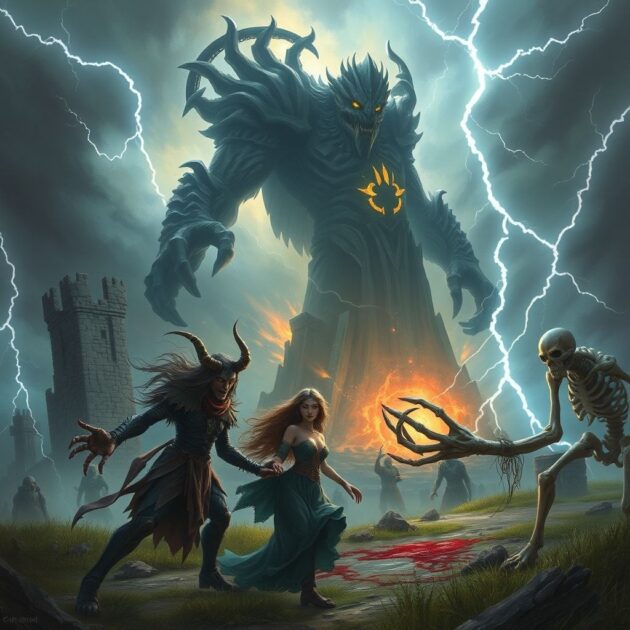
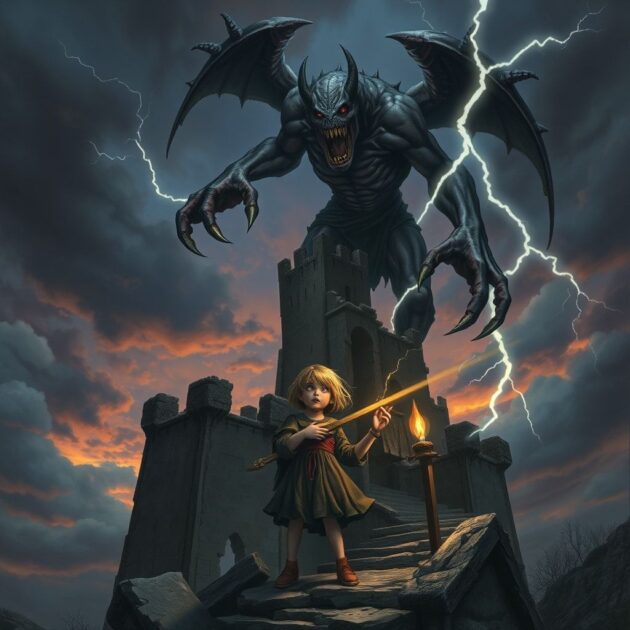
The episode opens with Halri Vorzak, a bitter mage‑hunter, invoking a forbidden Servant in an abandoned laboratory. The summoned entity erupts as an uncontrollable, aberrant Heroic Spirit, its massive claws rending her abdomen before an ethereal homunculus seizes her dying hand. The chaos triggers the long‑awaited clash between Saber and Lancer, with the camera tracking their blades in a kinetic ballet that feels both fresh and reverently familiar.
Key moments unfold as Saber’s radiant aura clashes against the Spirit’s nightmarish darkness, while Lancer’s spear pierces through the swirling magics. The episode’s pacing balances brutal action with quiet, dread‑filled interludes that let the audience feel the weight of each wound. A brief flashback reveals Halri’s traumatic past, explaining her hatred for magecraft and setting emotional stakes for the looming battle.
Broadcast on the official streaming platform this week, the episode runs a tight 24 minutes, packed with high‑definition visuals and an orchestral score that swells during each duel. Detailed production notes, cast listings, and viewer ratings are catalogued on its IMDb entry, offering fans a convenient reference point for the episode’s official data.
Historical Currents: How Fate/strange Fake Fits the Last Two Decades
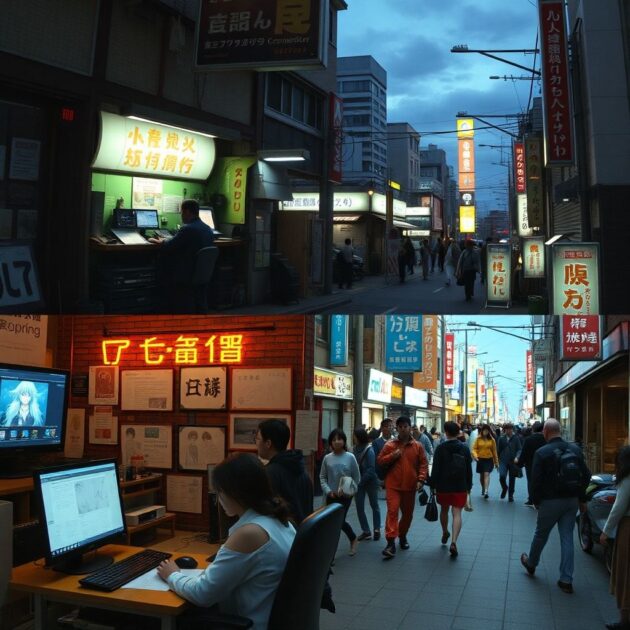
When the original Fate/Stay Night burst onto the scene in 2005, the anime world was still grappling with the aftershocks of the fansub era. Studios hustled to meet demand, often cutting corners, while dedicated fans posted raw subs on shaky servers. Fast forward twenty years, and Fate/strange Fake arrives as a polished product, reflecting the industry’s leap from guerrilla distribution to globally synchronized streaming.
Comparatively, the series’ tone nods to the darker threads of Fate/Zero while preserving the witty banter of its predecessor, a blend that our deep dive into hidden threads explores in detail. This hybrid approach mirrors the broader trend of franchise revitalizations, where creators blend nostalgic elements with fresh narratives to capture both veteran viewers and newcomers. The episode’s emphasis on moral ambiguity echoes the shift seen in titles like Attack on Titan and Demon Slayer, where heroes are increasingly flawed.
Beyond storytelling, the marketing strategy showcases the evolution of fan engagement. Whereas early releases relied on word‑of‑mouth hype in chat rooms, Episode 7 leverages Twitter polls, TikTok teasers, and official Discord channels, turning fandom into a real‑time, participatory experience. This mirrors the industry’s transition from passive consumption to interactive community building, a shift detailed in our analysis of dark secrets reshaping the Grail War.
Production Hull: Studio, Animation, and Sound Design
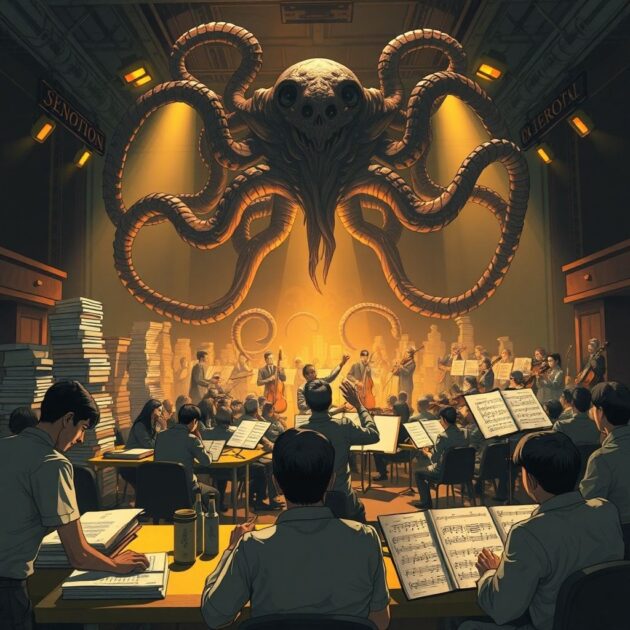
Fate/strange Fake is helmed by the veteran powerhouse Ufotable, famed for its seamless blend of CGI and traditional hand‑drawn animation. The studio’s signature fluidity shines in the duel sequences, where Saber’s radiant sword trails leave luminous after‑images that contrast starkly with the Spirit’s inky, texture‑rich limbs, rendered in high‑detail 3D models that avoid the uncanny valley.
The color palette deliberately skews toward desaturated twilight hues, reinforcing the episode’s somber mood. Lighting rigs simulate flickering candlelight within the ruined laboratory, casting dramatic silhouettes that heighten tension. Moreover, Ufotable’s use of dynamic camera angles—rapid zooms, low‑angle shots, and occasional first‑person perspectives—immerses viewers directly into the battle’s chaos.
Sound design plays an equally pivotal role. Composer Yuki Kajiura returns with a haunting choir that swells as the Heroic Spirit emerges, while the clatter of metal on stone punctuates each strike. The homunculus’s eerie, resonant whisper is mixed low enough to feel like a subconscious murmur, adding a layer of psychological dread. Together, these elements showcase a production that balances technical mastery with emotive storytelling.
Future Horizons: Fan Reaction and What Lies Ahead
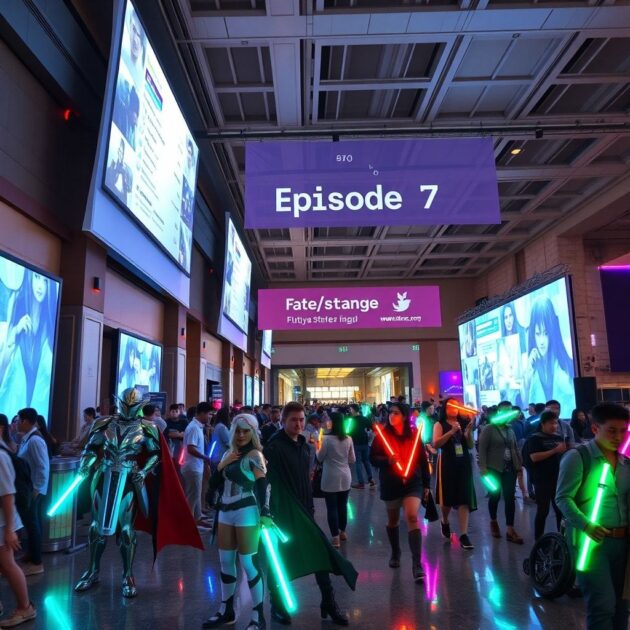
Initial fan sentiment has been a whirlwind of admiration and speculation. Social media threads dissect every frame, from the design of the aberrant Spirit to the subtle hints about Halri’s lineage. Many praise the bold narrative risk of killing a central character mid‑season, calling it a “masterstroke of daring storytelling.”
However, criticism emerges regarding pacing; some argue that the rapid escalation leaves little room for character development. This debate echoes long‑standing conversations from the early Fate adaptations, where fans balanced appreciation for action with desire for deeper emotional arcs. Studios appear attentive, as subsequent episodes teased on official channels promise slower, character‑driven moments.
Looking forward, the series is set to explore the ramifications of the homunculus’s intervention, possibly unveiling a hidden faction manipulating the Holy Grail War. The looming “God Is Come” motif hints at a larger cosmological threat, suggesting that upcoming arcs may blend mythic grandeur with intimate character journeys. As the franchise steers toward this uncharted territory, the otaku community braces for a wave that could redefine the series’ legacy.
Related Guides & Further Reading
Check out the Fate/strange Fake archives.