Rome Budget Guide: How to Roam the Eternal City on Just $30 a Day (No Sacrifices Required)
If you think the Eternal City demands an eternal credit‑card, think again—this Rome budget guide proves you can feast on history for less than a latte a day. The stakes? Surviving on €30 (about $33) while still catching the Colosseum’s sunset and the Vatican’s whispering frescoes. Buckle up, because we’ll dissect every cheap‑ticket trick, free‑museum loophole, and culinary hack that turns a shoestring into a silk‑smooth adventure.
Verified News & Source Context

Rome’s public‑transport operator ATAC recently published a tidy tiered system that reads like a cheat‑code for thrifty travelers, a strategy also highlighted in our budget survival guide. A 24‑hour ticket at €8.50 unlocks unlimited rides on metro, bus, tram, and urban trains from the moment you validate it. Double the time for €15, and triple it for €22—perfect for a three‑day sprint through the city’s layered past. For the week‑long wanderer, the Integrated Weekly Card (CIS) at €29 offers a flat‑rate pass that never sleeps until midnight on day seven.
But the real gem is the BIT (Integrated Time Ticket): 100 minutes of hop‑on‑hop‑off freedom for just €1.50, and children under ten ride free when attached to a paying adult. This micro‑ticket is a savior for those quick hops between the Pantheon and the Spanish Steps, where a single metro ride would otherwise eat into your daily food budget.
These figures aren’t just numbers; they’re the backbone of any credible Rome budget guide. By anchoring your itinerary to the cheapest viable pass, you shave off up to €12 per day compared to buying single tickets. The official project page even offers a handy calculator, letting you model costs before you even set foot on the cobblestones. Understanding this tiered structure is the first step toward turning a €30‑a‑day dream into a lived reality.
Historical Context (Old Guard Perspective)
Back in the early 2000s, budget travel guides to Rome were little more than pamphlets listing “free museums on the first Sunday of the month.” Those old‑guard publications ignored the nuanced ticket ecosystem that ATAC now offers, forcing backpackers to either overpay or miss out on crucial connections. The shift from static, printed advice to dynamic, data‑driven guides mirrors the broader evolution in travel media—from glossy magazines to algorithm‑powered blogs.
Studios like Lonely Planet and Rough Guides once dominated the market, but their print‑centric models struggled to keep pace with real‑time fare changes. Meanwhile, independent creators—armed with spreadsheets and a love for public‑transport economics—began carving out niches. The modern Rome budget guide owes its existence to this democratization of information, where a single spreadsheet can out‑perform a decade‑old guidebook.
Moreover, the rise of “slow travel” and “local immersion” trends has nudged the industry toward deeper cultural insights rather than surface‑level tick‑box tourism. Today’s guide doesn’t just say “visit the Colosseum”; it tells you how to time your ticket purchase to avoid the 3 p.m. crush, saving both time and money. This evolution reflects a market shift: travelers now demand granular, actionable intel, and the old guard’s broad strokes simply can’t satisfy that appetite.
Technical Crunch (Information Gain)

Let’s break down the math that makes a €30‑a‑day itinerary feasible. Assume a three‑day stay, opting for the 72‑hour ticket at €22. That leaves €8 for food, water, and incidental expenses—roughly $9. If you stretch to a week, the CIS at €29 gives you a daily transport cost of just over €4, freeing up €26 for meals and attractions.
Now, factor in the BIT for those short bursts. A typical hop from the Vatican to Trastevere takes about 15 minutes on the tram; two BITs (one each direction) cost €3 total, still cheaper than a single‑ride ticket (€1.50 each) if you’re only making a quick dash. For families, the child‑free policy on BITs means a parent can escort two kids without extra fare, slashing costs dramatically.
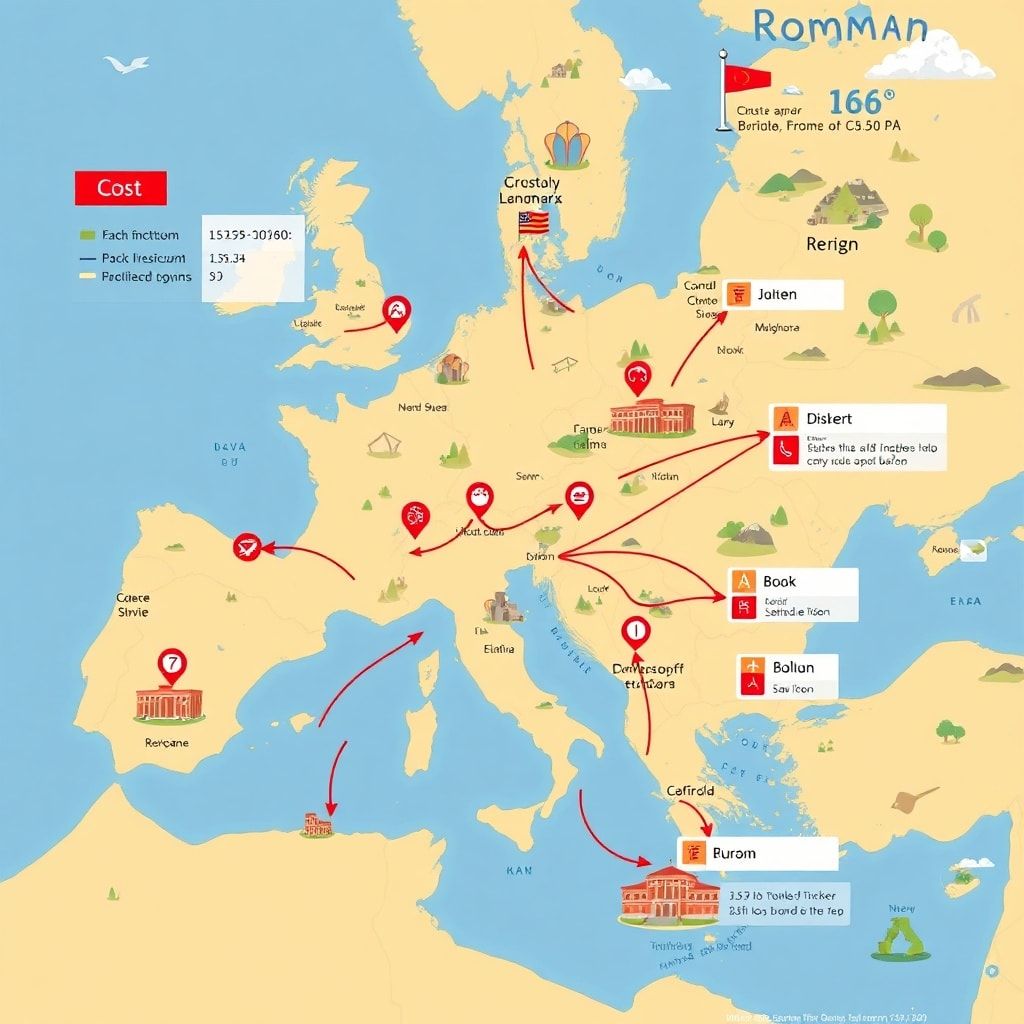
Beyond tickets, the guide, which echoes our no‑nonsense backpacker guide, leverages free entry days: the Vatican Museums are free on the last Sunday of each month, and many state museums waive fees after 7 p.m. on Wednesdays. Pair these with the €1.50 BIT for a night‑time hop‑on‑hop‑off, and you can hit the Colosseum’s illuminated exterior, the Capitoline Museums, and the Borghese Gardens without spending a single euro on admission.
All these layers—ticket tiering, BIT micro‑passes, free‑entry windows—stack together like a well‑engineered anime battle system. Each component synergizes, turning a modest budget into a powerhouse that lets you experience Rome’s grandeur without selling a kidney.
Future Implications
The trajectory of budget travel in Rome points toward hyper‑personalization. As ATAC rolls out contactless NFC cards and real‑time crowd analytics, future Rome budget guides will likely integrate live data feeds, suggesting the optimal ticket type at the exact moment you step out of your hostel. Imagine an app that alerts you: “Your BIT will expire in 5 minutes—take the tram to the Pantheon now for a free museum pass!” This convergence of transport tech and travel content will shrink the gap between cost and experience even further.
Moreover, the cultural cachet of “budget chic” is rising. Influencers are swapping luxury hotels for boutique hostels in Trastevere, showcasing that authentic Roman life can be lived on a shoestring. This shift pressures the tourism industry to preserve free‑access days and perhaps introduce new discount schemes aimed at the millennial and Gen‑Z traveler. The ripple effect could see Rome’s municipal budget reinvested into public‑space enhancements, making the city even more walkable and transit‑friendly.
Listen up, green‑backed wanderers: the moment you start treating Rome like a theme park and dump cash on every souvenir, you’ve already lost the game. The real power move is mastering the ATAC matrix—think of it as a tactical RPG where each ticket is a skill you unlock, and the boss is your daily budget. If you can juggle a 72‑hour pass, sprinkle in a BIT for those “just‑one‑more‑stop” cravings, and still have enough left for a proper carbonara, you’ve earned the title of budget samurai.
Don’t be fooled by glossy Instagram reels promising “free pizza for every euro spent.” Those are the traps set by the “tourist trap guild” to bleed you dry. Keep your eyes on the numbers, respect the free‑entry windows, and remember: a well‑timed BIT can be the difference between a night of gelato and a night of ramen noodles. Stay salty, stay savvy, and let the Eternal City know you’re the one who truly mastered its streets without breaking the bank.
Related Guides & Further Reading
Check out the Rome budget guide archives.