
Survive the Eternal City: The No‑Nonsense Rome Budget Guide for Backpackers Who Want More Gelato, Less Debt
Looking for a Rome budget guide that actually saves you cash while you chase that perfect carbonara? The Eternal City can drain your wallet faster than a Vespas’ rev, but with the right intel (your ATAC pass options explained) you can still eat, sleep, and explore without selling a kidney. Buckle up, because the stakes are high: one wrong ticket or hostel choice and your Euro‑budget could vanish faster than a tourist’s Wi‑Fi signal.
Rome budget guide: Latest ATAC Ticket Prices and What They Mean for Your Wallet

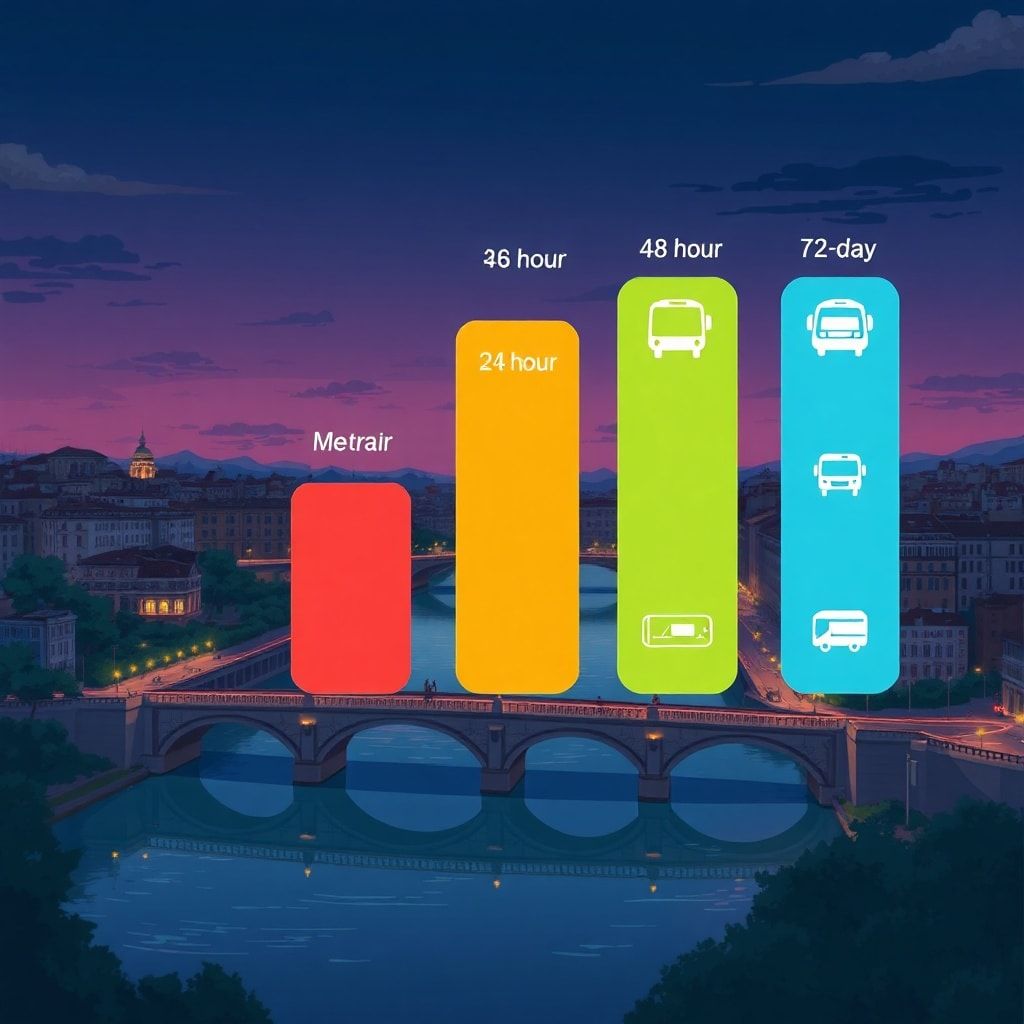
The ATAC authority rolled out a fresh fare structure on 1 July 2025, and it’s a game‑changer for any budget‑savvy traveler. A 24‑hour ticket now sits at €8.50, the 48‑hour jumps to €15.00, and the 72‑hour climbs to €22.00. For the hardcore explorer, the Integrated 7‑Day Card (CIS) offers unlimited rides for €29.00, a modest increase but still a bargain compared to buying daily tickets. These figures aren’t just numbers; they dictate how many gelato stops you can afford between the Colosseum and Trastevere. The price hike reflects rising operational costs, fuel prices, and a push to modernise the fleet with greener buses and trams. Importantly, any ticket purchased before 30 June 2025 remains valid until 31 October 2025, and you can exchange up to ten unused paper tickets before year‑end—perfect for those who over‑estimate their travel days. For digital nomads, the ATAC app now flags the most cost‑effective ticket based on your real‑time itinerary, turning guesswork into data‑driven savings. All of this is documented on the official project page, which also outlines the rationale behind the fare adjustments and the city’s broader mobility strategy.
Old Guard Perspective: How Budget Travel in Rome Has Evolved Since the Early 2000s
Back in the early 2000s, a 24‑hour ATAC ticket cost a mere €5.00, and the concept of a 7‑day unlimited pass was virtually unheard of. Hostels were basic, often sharing bathrooms with locals, and cheap eats meant grabbing a slice of pizza from a corner pizzeria that barely accepted credit cards. The market was dominated by a handful of backpacker‑focused agencies that bundled tours with “budget” accommodations, rarely updating their packages to reflect changing city policies. Over the past two decades, Rome’s tourism infrastructure has professionalised: boutique hostels now offer private pods, free Wi‑Fi, and even rooftop yoga, while street food vendors have diversified, serving everything from supplì to vegan carbonara. The rise of digital platforms—Airbnb, Hostelworld, and the ATAC mobile app—has democratized information, allowing travelers to compare prices in real time. This shift mirrors a broader industry trend where transparency and sustainability are prized over the old‑school “one‑size‑fits‑all” budget model. As a veteran nomad, I’ve watched the city transition from a chaotic, ticket‑machine‑only era to a data‑rich ecosystem where every Euro is accounted for, and that evolution is reflected in today’s fare structure.
Technical Crunch: Decoding the ATAC Fare Structure and Maximizing Savings

Understanding the ATAC fare matrix is essential for any traveler aiming to stretch a limited budget. If you’re trying to keep daily expenses around €30, our guide on budgeting in Rome shows you how to stretch each Euro. The 24‑hour ticket (€8.50) is ideal for day‑trippers who plan to hit the major sites—Colosseum, Vatican, and the Pantheon—without worrying about individual ride costs. However, if you intend to explore neighborhoods like Testaccio or Ostiense, the 48‑hour ticket (€15.00) offers a better per‑hour rate, effectively halving the cost per day compared to buying two separate 24‑hour passes. The 72‑hour ticket (€22.00) becomes the sweet spot for a three‑day itinerary that includes a day‑trip to Tivoli or Ostia Antica; the per‑day cost drops to roughly €7.33, undercutting the 24‑hour option. For the true marathoner, the 7‑day CIS card (€29.00) provides unlimited travel across buses, trams, and metro lines, translating to less than €4.15 per day—a clear win if you’re hopping between museums, markets, and night‑life spots. The key is to map your daily travel distance: if you anticipate more than three rides per day, the CIS card pays for itself within the first two days. Additionally, the ATAC app’s “Smart Ticket” feature analyses your GPS‑tracked routes and suggests the optimal ticket, saving you up to 20% on average. Don’t forget the exchange policy for unused paper tickets; swapping ten stale tickets before year‑end can recoup up to €85, a hidden treasure for meticulous budgeters.
Future Implications: What the New Prices Signal for Rome’s Backpacker Scene
The recent fare hike hints at a broader strategic pivot: Rome is positioning itself as a sustainable, tech‑forward metropolis while still courting the backpacker demographic. By modestly raising prices, ATAC can fund greener fleets—electric buses and hybrid trams—aligning with EU environmental targets. For travelers, this means cleaner air and quieter rides, but also a need to adapt budgeting habits. Hostels are likely to respond by bundling transport passes into their rates, offering “all‑inclusive” packages that simplify planning and lock in costs. Expect a surge in “micro‑tour” operators who craft itineraries around the 48‑hour and 72‑hour tickets, maximizing value for short‑stay adventurers. Moreover, the digital exchange system for unused tickets could spawn a secondary market on travel forums, where savvy nomads trade surplus passes for accommodation discounts or local experiences. In the long run, Rome’s willingness to invest in modern infrastructure may attract a new wave of eco‑conscious backpackers, shifting the city’s image from “overcrowded tourist trap” to “smart, sustainable travel hub.”
Listen up, green‑horns: the Rome budget guide isn’t just a list of cheap hostels and pizza joints—it’s a battlefield where every Euro is a soldier. The ATAC fare hike is a reminder that the city’s infrastructure is evolving, and if you cling to the old‑school paper ticket mindset, you’ll end up paying double for the same ride while the locals zip past on sleek electric buses. My two decades on the road taught me that the smartest travelers are the ones who treat data like a compass; download the ATAC app, plot your routes, and let the algorithm tell you whether a 48‑hour pass or a 7‑day CIS card is your ticket to freedom. Ignoring these tools is the same as walking into the Colosseum with a wooden shield—brave, but utterly foolish.
And don’t be fooled by the glossy marketing that promises “budget-friendly” experiences. The reality is that Rome’s backpacker scene is becoming a premium market, with boutique hostels charging upwards of €45 a night for a pod with a view of the Tiber. If you want to stay afloat, you’ll need to be as ruthless with your budget as you are with your ramen‑noodle cravings. Swap those unused paper tickets before year‑end, hunt down hostels that bundle the CIS card, and always, always keep an eye on the exchange rates—because a single miscalculation can turn a week of gelato into a month of instant noodles. That’s the hard‑won truth behind every Rome budget guide you’ll ever read.
Related Guides & Further Reading
Check out the Rome budget guide archives.
Check out the Rome budget guide archives.