Cracking the Hong Kong Budget: Solo Travelers’ Cheat Sheet to Save Cash and Stay Safe
Solo adventurers, brace yourselves: the Hong Kong budget can feel like a dragon guarding a treasure hoard. Yet with the right hacks, you can turn that beast into a friendly street vendor. Before you set out, explore our Hong Kong November hub for seasonal tips on saving cash and staying safe. This guide spills the beans on transport, safety, and visa tricks so you can explore the city without emptying your wallet. Explore the full Hong Kong budget hub for a deeper dive into costs and safety tips.
Mastering the Hong Kong Budget: Transport Hacks for the Solo Nomad
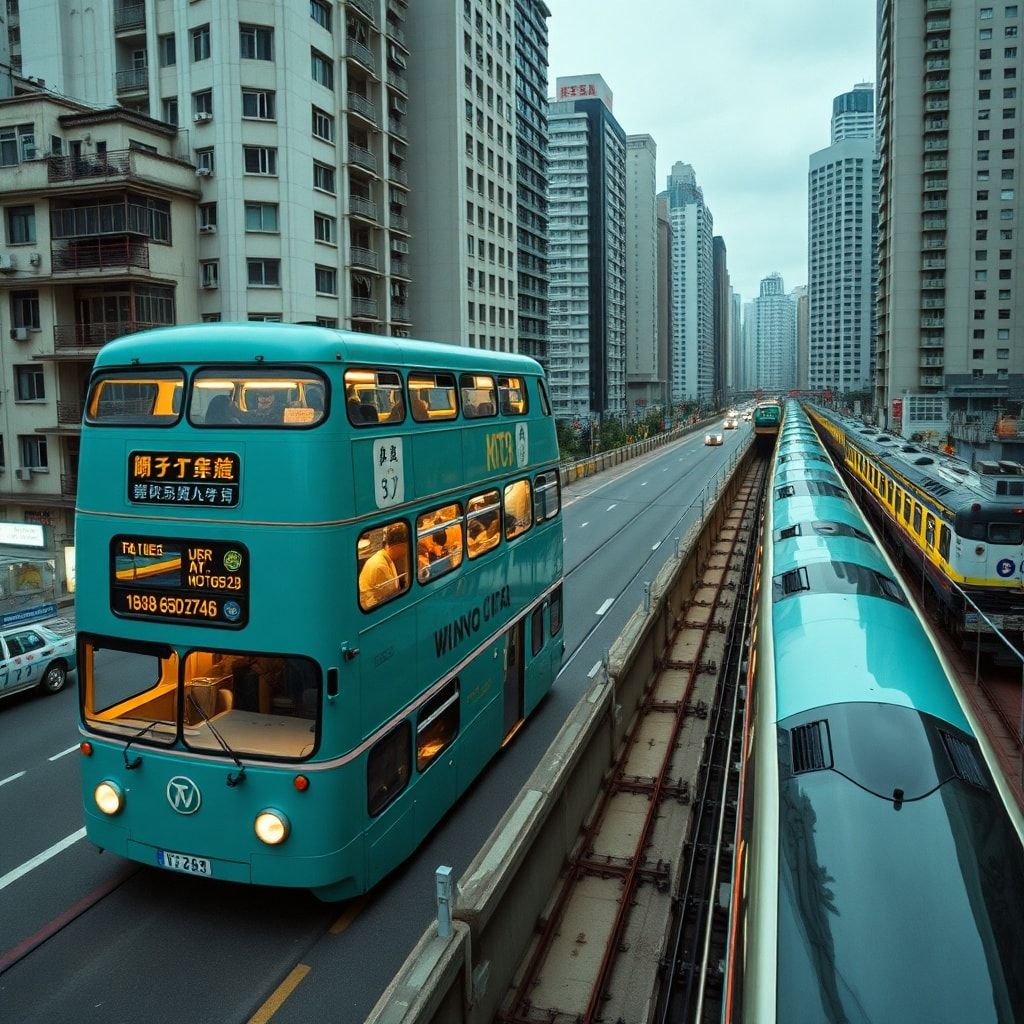
The KMB Tourist Day Pass is the unsung hero for budget‑savvy wanderers. Priced at HK$55, it grants unlimited rides for 24 hours across more than 480 KMB and LWB bus routes, sparing you the headache of buying individual tickets. However, note the exclusions: the KMB Tour HK Route HK1 and routes K12, K14, K17, K18 are off‑limits, meaning you’ll need a backup plan for those scenic coastal lines. For a broader view of backpacker budgeting, see our Neon Jungle guide. For those craving the iconic open‑top experience, the Premium version at HK$98 adds the HK1 tour, letting you sip the sea breeze while the city rolls by. Backpackers looking for more extensive money‑saving tactics can also consult our solo backpacker’s survival guide for extra tips.
A physical Tourist Octopus card, available for HK$39 with no refundable deposit, acts as a universal key to MTR, buses, trams, and ferries. Its cash‑free convenience means you’ll never fumble for coins at a crowded station. If you prefer a digital life, the Mobile Octopus app requires a HK$50 refundable security deposit, after which you can top up instantly via credit or debit card. This flexibility is a game‑changer for travelers who hate lugging around plastic cards.
Finally, the Airport Express is the fastest public‑transport link from Hong Kong International Airport to Hong Kong Island, docking at Hong Kong Station in roughly 24 minutes. It’s pricier than the bus, but the time saved can be worth every HK$ if you’re racing to catch a ferry or a night market.
From Double‑Decker Dreams to Modern Octopus: A Historical Look at HK Transit

Back in the 1970s, Hong Kong’s bus network was a patchwork of privately run routes, each with its own fare system. Travelers often juggled cash, exact change, and a growing sense of frustration. The introduction of the Octopus card in 1997 revolutionized the scene, offering a stored‑value solution that cut transaction times from minutes to seconds. This shift mirrored Japan’s IC card rollout, underscoring Hong Kong’s desire to compete as a world‑class metropolis.
The KMB Tourist Day Pass, launched in the early 2000s, was a direct response to the surge of backpackers seeking cost‑effective mobility. Its price point of HK$55 was deliberately set below the average daily spend on transport, positioning it as a “must‑have” for budget travelers. Meanwhile, the Premium pass emerged later, catering to tourists who wanted the novelty of the open‑top bus, a nod to the city’s tourism‑driven economy.
Comparatively, other Asian hubs like Seoul and Tokyo introduced similar day passes, but Hong Kong’s unique blend of extensive bus routes and the iconic Star Ferry gave it a distinct flavor. The evolution from cash‑only tickets to integrated smart cards reflects broader trends in urban mobility, where convenience and data collection drive policy.
Understanding this lineage helps solo travelers appreciate why a simple pass can unlock an entire city’s rhythm, and why the Octopus remains a cultural icon beyond its functional purpose.
Technical Crunch: Decoding Pass Prices, Deposits, and Ride Limits
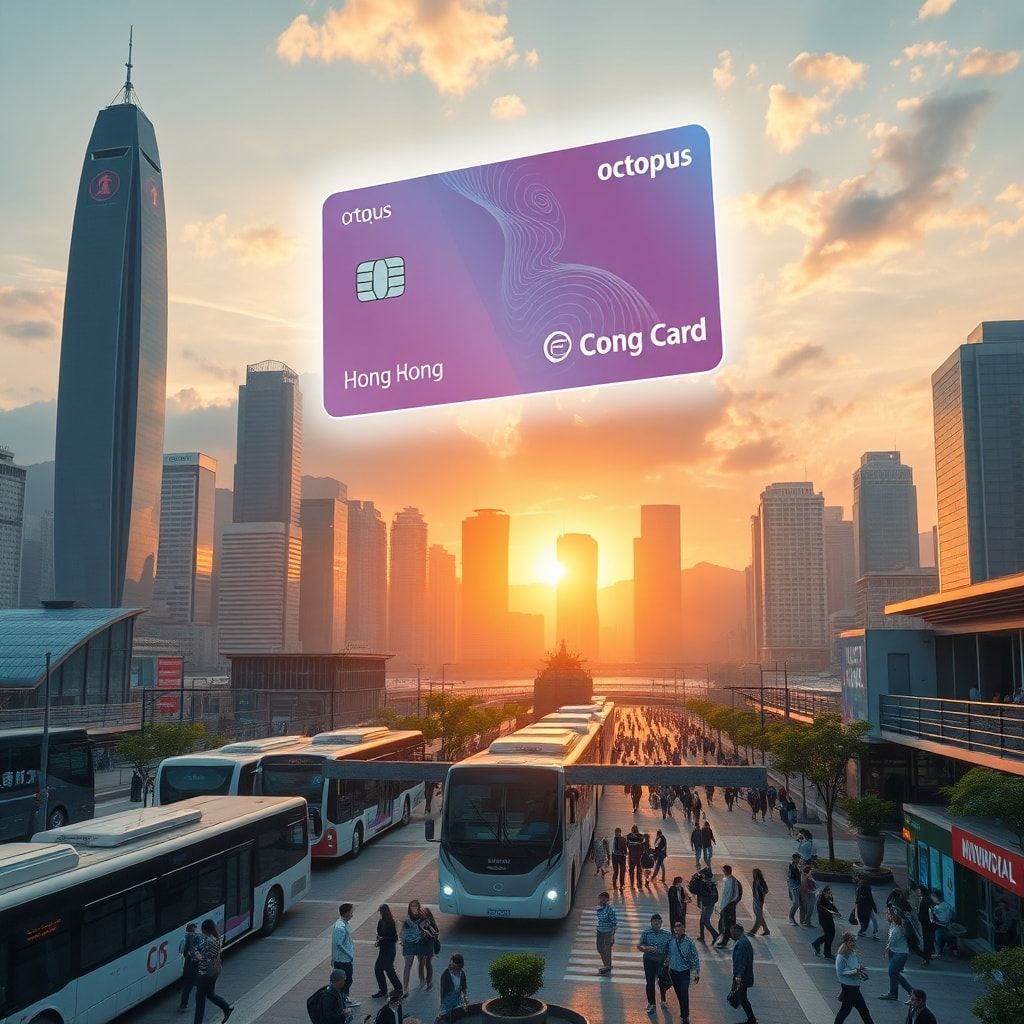
Let’s break down the numbers. The standard KMB Tourist Day Pass at HK$55 translates to roughly US$7, a bargain when you consider the average bus fare hovers around HK$4.50 per ride. Unlimited rides mean you can hop on and off 480+ routes without worrying about cumulative costs. The Premium pass adds HK$43, but the inclusion of the open‑top HK1 route—often a tourist’s first glimpse of Victoria Harbour—justifies the premium for many.
The physical Tourist Octopus card’s HK$39 price is a one‑time fee; there’s no refundable deposit, making it a low‑risk entry point. In contrast, the Mobile Octopus app’s HK$50 security deposit is fully refundable upon card deactivation, encouraging digital adoption while safeguarding against misuse. Top‑up limits vary by payment method, but most credit cards allow increments as low as HK$10, enabling granular budgeting.
From a systems perspective, the Octopus network processes over 3 billion transactions annually, leveraging RFID technology that reduces boarding time by 30 % compared to cash. This efficiency feeds into the city’s broader smart‑city initiatives, where data from transit cards informs traffic flow optimization and crowd management.
For solo travelers, the key takeaway is to align your pass choice with your itinerary. If you plan to stay within Kowloon and New Territories, the standard pass suffices. If you aim to experience the scenic harbor routes, splurge on the Premium. And always keep a backup cash reserve for the excluded routes. For a broader look at stretching a shoestring across Hong Kong, see our solo shoestring guide. If you want to dive deeper into money‑savvy hacks, check out our budget code breakdown.
By mastering these mechanics, you not only save money but also gain a deeper appreciation for the infrastructure that keeps Hong Kong humming.
Future Implications: How Budget Strategies Shape Hong Kong’s Tourist Landscape
The integration of smart‑card data with tourism analytics is poised to revolutionize how Hong Kong markets itself to budget travelers. Real‑time insights into popular routes can inform dynamic pricing, targeted promotions, and even the development of new tourist corridors that bypass overcrowded hotspots. As the city pushes toward a greener, more sustainable transport model, we may see discounts tied to off‑peak travel, encouraging solo adventurers to explore the city when it’s quieter—and cheaper.
Moreover, the rise of contactless mobile payments and potential blockchain‑based ticketing could render physical Octopus cards obsolete, streamlining the onboarding process for first‑time visitors. This shift would lower entry barriers, making the “Hong Kong budget” approach even more accessible. However, it also raises concerns about data privacy and the digital divide, especially for older travelers accustomed to cash.
Remember, a savvy solo traveler treats every HK$ like a story seed. Plant it wisely—whether on a tram that climbs the Mid‑Levels, a ferry that cuts across the harbor, or a night market stroll after the MTR doors close. The budget isn’t a constraint; it’s a catalyst for authentic experiences that money‑driven tours can never replicate.
Related Guides & Further Reading
Check out the Hong Kong budget archives.
Check out the Hong Kong budget archives.